


Snapshot generated Jul 13, 2026, 12:20 AM
Snapshot gallery image 1Snapshot gallery image 2Snapshot gallery image 3Snapshot gallery image 4

Science headlines for Sunday, July 12, 2026

Summary of this day news

Science headlines for 2026-07-12 focused on 3 major developments:

  • 1) Years After He Quit Smoking, a Lung Cancer Scan Saved His Life (NYT Science)
  • 2) Physicists recreate black hole energy extraction in the lab (ScienceDaily)
  • 3) Deep-sea life has a secret food source scientists never expected (ScienceDaily) Across these stories, coverage emphasized high-impact updates, policy shifts, and events with broad audience relevance.

Together they provide a representative view of the day in science news before diving into each full report.

Why it matters: This snapshot shows where science attention concentrated on 2026-07-12, highlighting the themes, entities, and geographies that dominated publisher coverage. Because ranking blends freshness, engagement, and source diversity, it helps separate signal from noise. Use it as a quick daily briefing and then open the top stories for fuller context.

Key Points

3 highlights
  1. Years After He Quit Smoking, a Lung Cancer Scan Saved His Life

    Sources: #1 NYT Science
  2. Physicists recreate black hole energy extraction in the lab

    Sources: #2 ScienceDaily
  3. Deep-sea life has a secret food source scientists never expected

    Sources: #3 ScienceDaily

Top 6 Stories

Ranked by daily score
  1. Years After He Quit Smoking, a Lung Cancer Scan Saved His Life
    #1 Score 39
    Years After He Quit Smoking, a Lung Cancer Scan Saved His Life

    Lung cancer remains the leading cause of cancer deaths in the United States and older adults are at higher risk. But only about a quarter of patients eligible for screening are up-to-date.

    NYT Science 1 day ago
  2. Physicists recreate black hole energy extraction in the lab
    #2 Score 37
    Physicists recreate black hole energy extraction in the lab

    Researchers have recreated the physics of extracting energy from a spinning black hole using a stationary device that produces synthetic ultrafast rotation. The achievement transforms a long-standing theoretical idea into a practical experiment and could inspire new advances in optics, wireless communications, and quantum science.

    ScienceDaily 1 day ago
  3. Deep-sea life has a secret food source scientists never expected
    #3 Score 36
    Deep-sea life has a secret food source scientists never expected

    Scientists discovered that extreme deep-sea pressure squeezes valuable nutrients out of sinking organic particles, providing an unexpected food source for ocean microbes. The finding could rewrite our understanding of both deep-ocean ecosystems and how carbon is stored on Earth.

    ScienceDaily 1 day ago
  4. Scientists discover how the brain rewires itself to truly multitask
    #4 Score 23
    Scientists discover how the brain rewires itself to truly multitask

    Practice may do more than make perfect. Researchers found that extensive training physically reorganizes the brain, allowing learned tasks to bypass the prefrontal cortex and run through specialized circuits instead. By freeing the brain's "thinking" center, people became better at performing another task at the same time, challenging the long-held idea that humans only switch rapidly between tasks rather than tru...

    ScienceDaily 1 day ago
  5. Scientists finally solved the mystery of Earth's greatest mass extinction
    #5 Score 12
    Scientists finally solved the mystery of Earth's greatest mass extinction

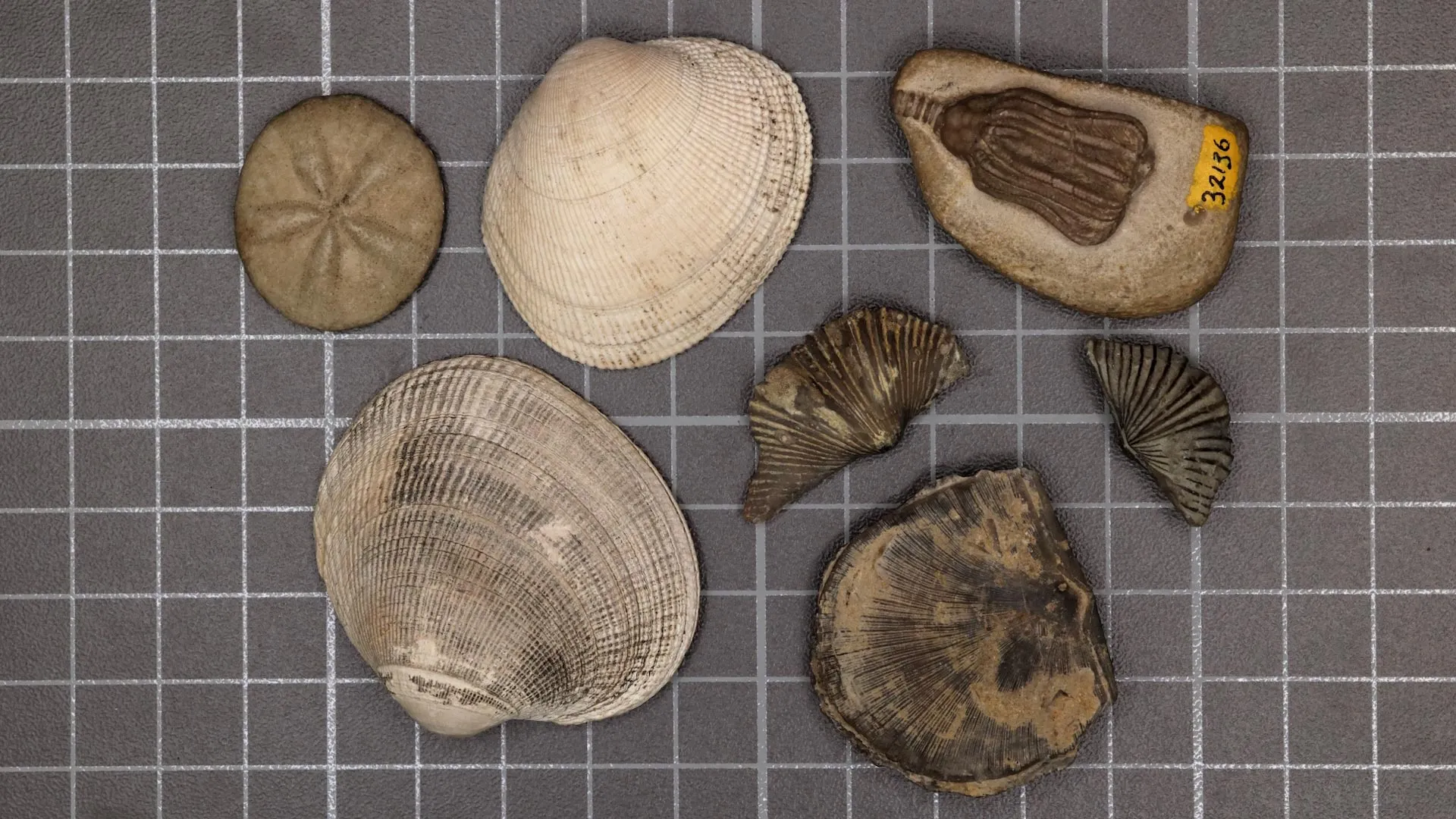
    Why do beaches today have seashells from clams and snails instead of brachiopods? A new study suggests the answer lies in Earth's greatest mass extinction, when warming oceans and falling oxygen levels wiped out animals that couldn't adapt. Species with body plans and metabolisms better suited to the changing conditions survived and went on to dominate the seas, offering a glimpse of how modern marine life could r...

    ScienceDaily 1 day ago
  6. Why gold never tarnishes has finally been explained
    #6 Score 8
    Why gold never tarnishes has finally been explained

    Gold may have a secret self-defense system that helps it resist tarnishing. Researchers discovered that atoms on gold surfaces reorganize themselves into patterns that block oxygen from reacting with the metal, suppressing oxidation by up to a trillion-fold. Beyond explaining why gold jewelry stays bright for generations, the finding could help scientists create more powerful gold-based catalysts for manufacturing...

    ScienceDaily 1 day ago

Comments (0)

Join the conversation. Comments are rate-limited, secured, and GDPR-compliant.

No comments yet. Be the first to share your thoughts!

Write a comment

0 / 500