


Snapshot generated Jul 12, 2026, 12:20 AM
Snapshot gallery image 1Snapshot gallery image 2Snapshot gallery image 3Snapshot gallery image 4

Science headlines for Saturday, July 11, 2026

Summary of this day news

Science headlines for 2026-07-11 focused on 3 major developments:

  • 1) Kids Can’t Stop Watching ‘Moana.’ There’s a Scientific Explanation. (NYT Science)
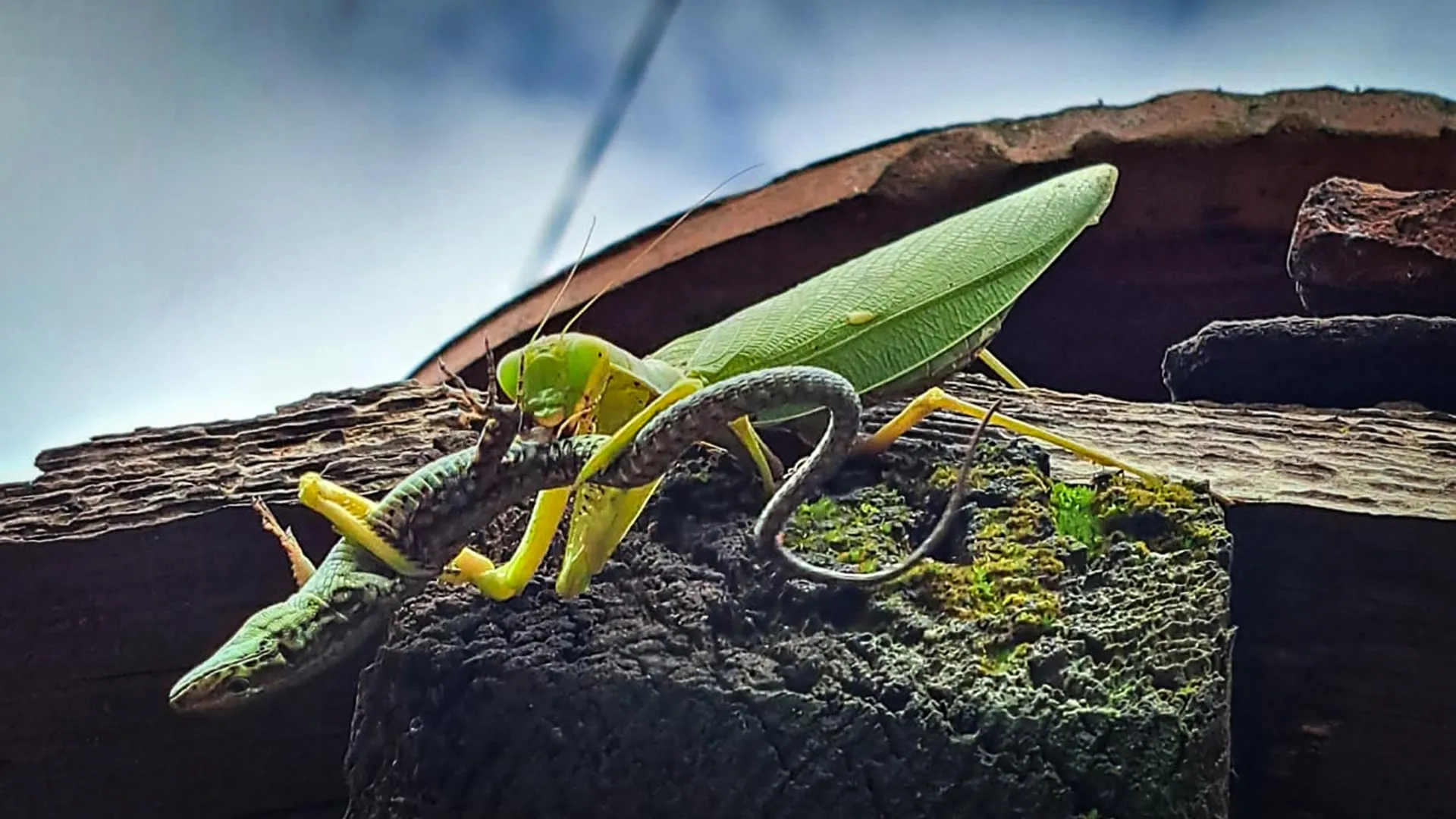
  • 2) Scientists warn invasive Asian mantises are threatening Europe's wildlife (ScienceDaily)
  • 3) Years After He Quit Smoking, a Lung Cancer Scan Saved His Life (NYT Science) Across these stories, coverage emphasized high-impact updates, policy shifts, and events with broad audience relevance.

Together they provide a representative view of the day in science news before diving into each full report.

Why it matters: This snapshot shows where science attention concentrated on 2026-07-11, highlighting the themes, entities, and geographies that dominated publisher coverage. Because ranking blends freshness, engagement, and source diversity, it helps separate signal from noise. Use it as a quick daily briefing and then open the top stories for fuller context.

Key Points

3 highlights
  1. Kids Can’t Stop Watching ‘Moana.’ There’s a Scientific Explanation.

    Sources: #1 NYT Science
  2. Scientists warn invasive Asian mantises are threatening Europe's wildlife

    Sources: #2 ScienceDaily
  3. Years After He Quit Smoking, a Lung Cancer Scan Saved His Life

    Sources: #3 NYT Science

Top 6 Stories

Ranked by daily score
  1. Kids Can’t Stop Watching ‘Moana.’ There’s a Scientific Explanation.
    #1 Score 40
    Kids Can’t Stop Watching ‘Moana.’ There’s a Scientific Explanation.

    The 2016 release has become the most watched movie on Disney+. Parents and experts explain why kids can’t get enough.

    NYT Science 2 days ago
  2. Scientists warn invasive Asian mantises are threatening Europe's wildlife
    #2 Score 38
    Scientists warn invasive Asian mantises are threatening Europe's wildlife

    Two striking Asian praying mantis species that have rapidly spread across Europe have now been officially classified as invasive, raising new concerns about their impact on native wildlife. Boosted by climate change and urban environments, these fast-breeding predators are expanding northward, where they prey on native insects, pollinators, and even small vertebrates while also reducing native mantis populations t...

    ScienceDaily 2 days ago
  3. Years After He Quit Smoking, a Lung Cancer Scan Saved His Life
    #3 Score 27
    Years After He Quit Smoking, a Lung Cancer Scan Saved His Life

    Lung cancer remains the leading cause of cancer deaths in the United States and older adults are at higher risk. But only about a quarter of patients eligible for screening are up-to-date.

    NYT Science 2 days ago
  4. Why the human body has so many design flaws
    #4 Score 8
    Why the human body has so many design flaws

    Many of the body's biggest flaws are the result of evolution building on old designs instead of starting over. Our spine, eyes, teeth, pelvis, and even certain nerves all reveal compromises that worked well enough for survival but still leave us prone to pain, injury, and disease. Structures like the appendix and ear muscles also remain because they were never harmful enough for evolution to eliminate. Together, t...

    ScienceDaily 2 days ago
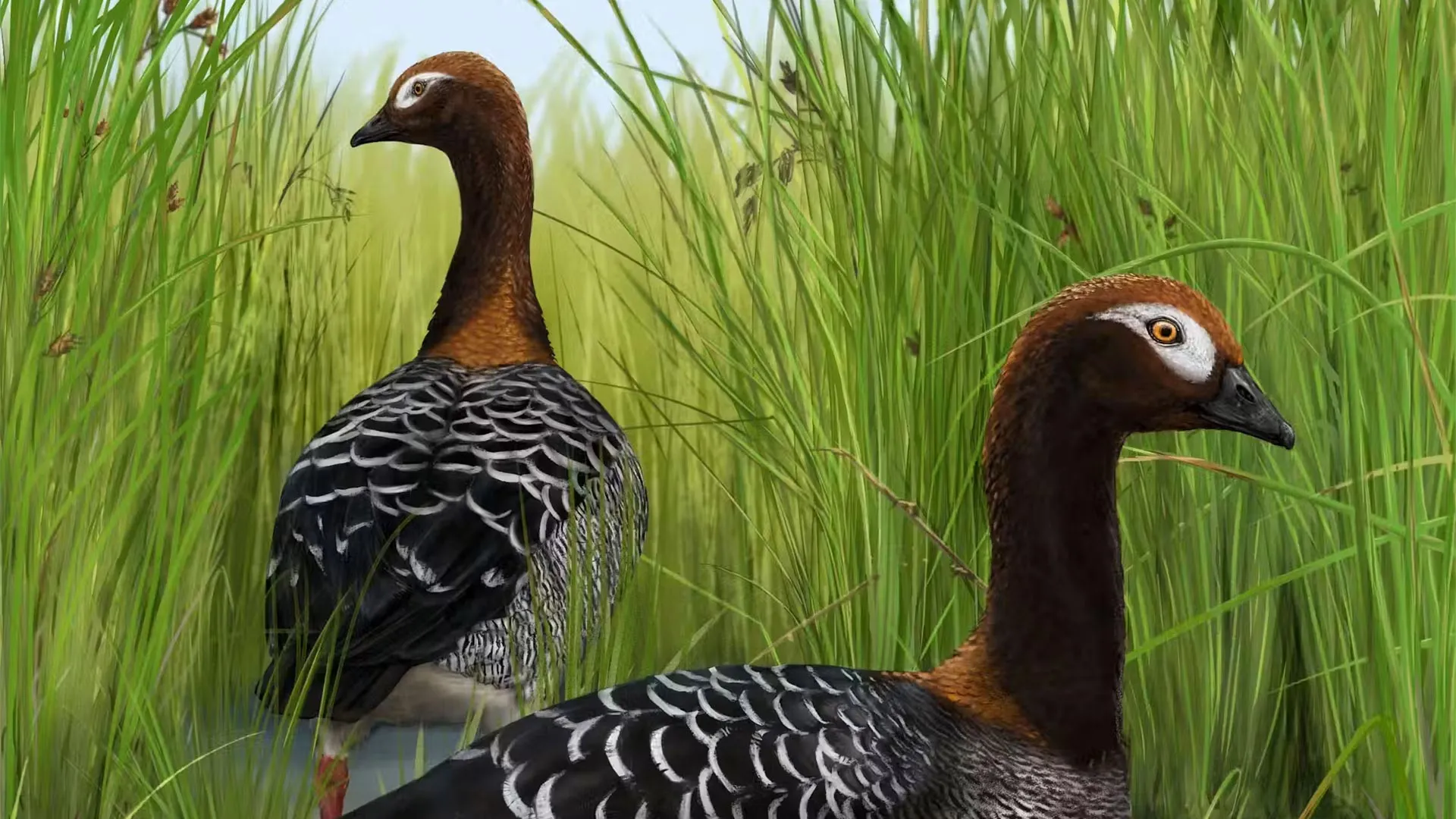
  5. Rare fossil goose rewrites the story of New Zealand's giant birds
    #5 Score 6
    Rare fossil goose rewrites the story of New Zealand's giant birds

    Scientists have discovered a previously unknown fossil goose that challenges a decades-old theory about the evolution of New Zealand's birds. The find suggests the country's giant flightless geese evolved from much more recent arrivals, revealing a far more dynamic evolutionary history than once believed.

    ScienceDaily 2 days ago
  6. What China’s Successful Rocket Launch Means for the Future of the Space Race
    #6 Score 2
    What China’s Successful Rocket Launch Means for the Future of the Space Race

    A space neophyte not long ago, China is now the United States’s main competitor for supremacy throughout the solar system.

    NYT Science 3 days ago

Comments (0)

Join the conversation. Comments are rate-limited, secured, and GDPR-compliant.

No comments yet. Be the first to share your thoughts!

Write a comment

0 / 500