Daily Snapshot

Science headlines for Thursday, June 4, 2026

Science headlines for 2026-06-04 focused on 3 major developments: 1) Trump Announces $700 Million in Funds Meant to Boost Coal Industry (NYT Science) 2) NASA Hosts 2026 Review on Advanced Composite Manufacturing (NASA Breaking News) 3) NASA-Funded Study Shows Wildfire Smoke’s Hidden Ozone Toll (NASA Breaking News) Across these stories, coverage emphasized high-impact updates, policy shifts, and events with broad audience relevance. Together they provide a representative view of the day in science news before diving into each full report.

Why it matters: This snapshot shows where science attention concentrated on 2026-06-04, highlighting the themes, entities, and geographies that dominated publisher coverage. Because ranking blends freshness, engagement, and source diversity, it helps separate signal from noise. Use it as a quick daily briefing and then open the top stories for fuller context.


Key Points

3 highlights
  1. Trump Announces $700 Million in Funds Meant to Boost Coal Industry

    Sources: #1 NYT Science
  2. NASA Hosts 2026 Review on Advanced Composite Manufacturing

    Sources: #2 NASA Breaking News
  3. NASA-Funded Study Shows Wildfire Smoke’s Hidden Ozone Toll

    Sources: #3 NASA Breaking News

Top 10 Stories

Ranked by daily score
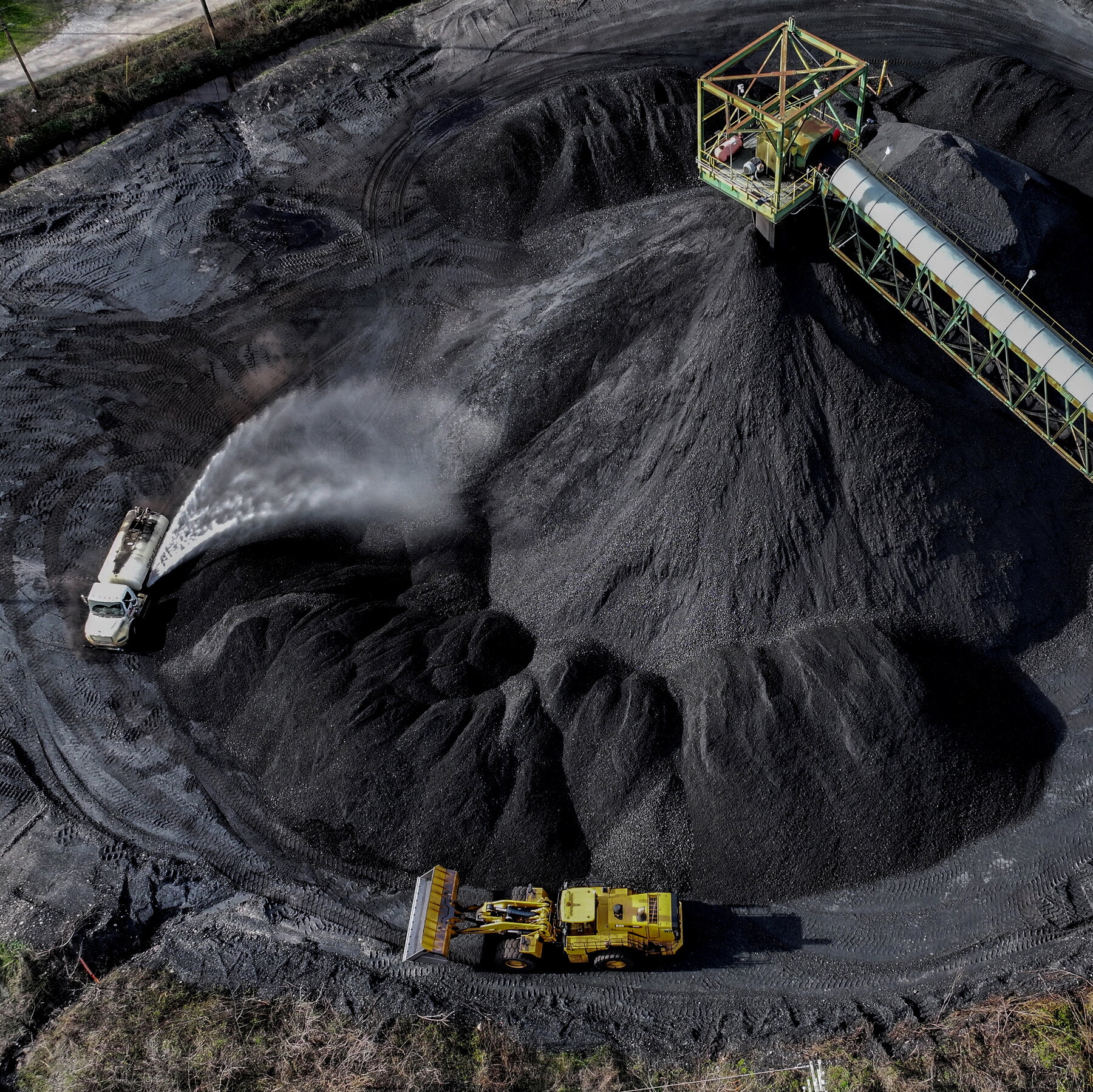
  1. Trump Announces $700 Million in Funds Meant to Boost Coal Industry
    #1 Score 71
    Trump Announces $700 Million in Funds Meant to Boost Coal Industry

    The president announced a total of $700 million in federal money to reinvigorate the domestic coal industry, which has been in decline for decades.

    NYT Science 4 days ago
  2. NASA Hosts 2026 Review on Advanced Composite Manufacturing
    #2 Score 70
    NASA Hosts 2026 Review on Advanced Composite Manufacturing

    NASA’s Hi-Rate Composite Aircraft Manufacturing (HiCAM) project brought together its full team of Advanced Composites Consortium partners for a 2026 spring review at NASA’s Langley Research Center in Hampton, Virginia. The meeting took place May 5-7, bringing together about 150 people from the consortium, a 22-member public-private partnership. The review gave NASA and industry partners a chance to look at recent progress and […]

    NASA Breaking News 4 days ago
  3. NASA-Funded Study Shows Wildfire Smoke’s Hidden Ozone Toll
    #3 Score 56
    NASA-Funded Study Shows Wildfire Smoke’s Hidden Ozone Toll

    Over the last decade, wildfires have worsened ground-level ozone pollution across much of the contiguous United States, creating unhealthy air far from active flames.

    NASA Breaking News 4 days ago
  4. #4 Score 54
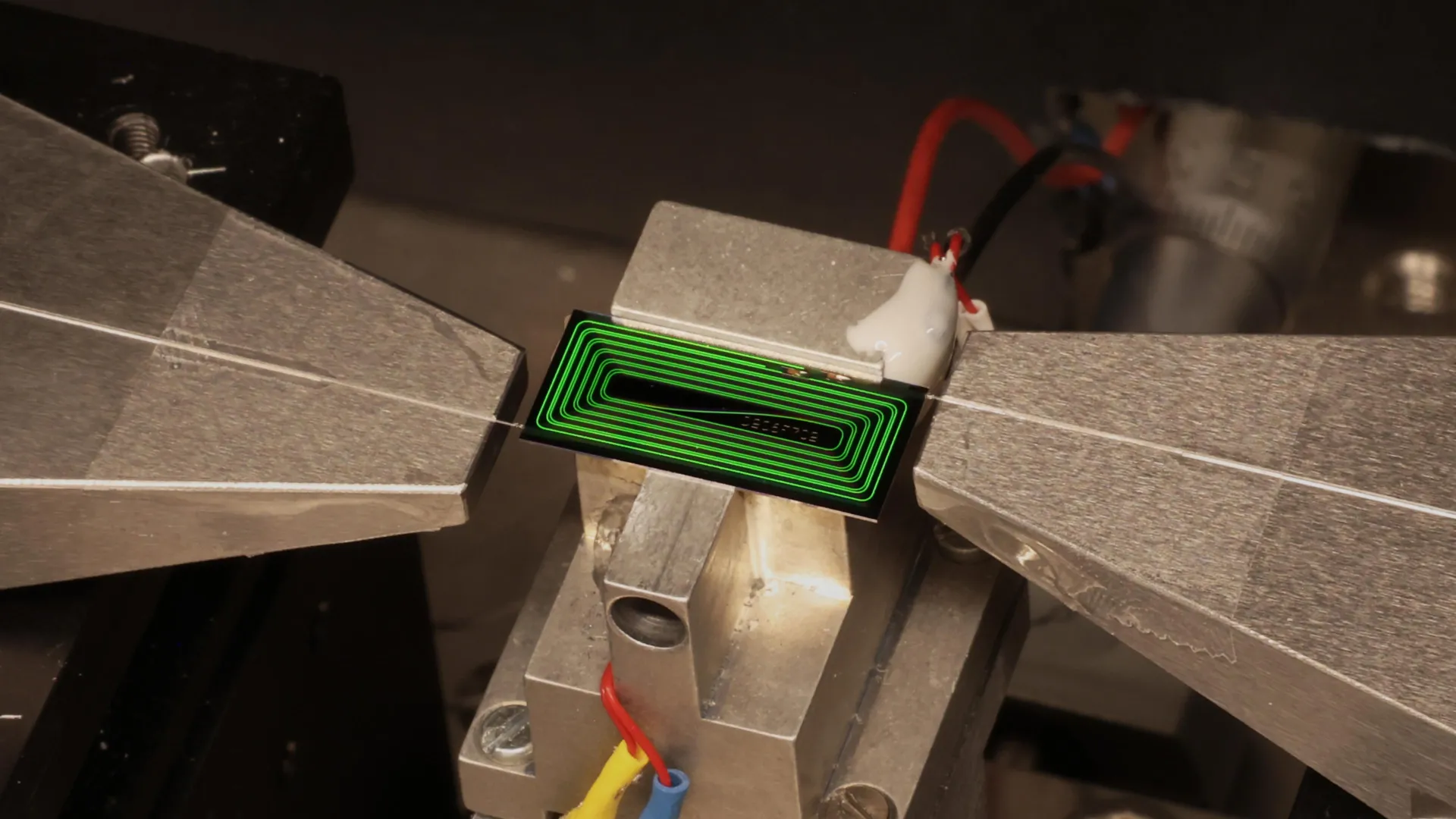
    After 20 years, scientists finally shrink a powerful laser onto a chip

    Researchers at EPFL have developed a chip-scale ultrafast laser that performs on par with traditional tabletop femtosecond lasers. The innovation could make advanced laser technologies far smaller, cheaper, and more accessible for applications ranging from medical diagnostics to atomic clocks.

    ScienceDaily 4 days ago
  5. Colorful, Chaotic Jupiter
    #5 Score 43
    Colorful, Chaotic Jupiter

    NASA’s Juno spacecraft captured this color-enhanced view of Jupiter’s northern hemisphere during its 61st close flyby of the giant planet on May 12, 2024. Citizen scientist Gary Eason made this image using raw data from the JunoCam instrument, applying digital processing techniques to enhance color and clarity. It provides a detailed view of chaotic clouds […]

    NASA Breaking News 4 days ago
  6. Scientists finally crack an “undruggable” pancreatic cancer target and nearly double survival
    #6 Score 42
    Scientists finally crack an “undruggable” pancreatic cancer target and nearly double survival

    For decades, pancreatic cancer has been one of the most lethal cancers, with few effective treatment options. A new drug, daraxonrasib, targets the KRAS mutation that fuels most pancreatic tumors—something many scientists once thought couldn't be done. In a major clinical trial, the treatment nearly doubled survival for patients with advanced disease and reduced the risk of death by 60%.

    ScienceDaily 4 days ago
  7. Goethe never knew this 40-million-year-old ant was hidden in his collection
    #7 Score 33
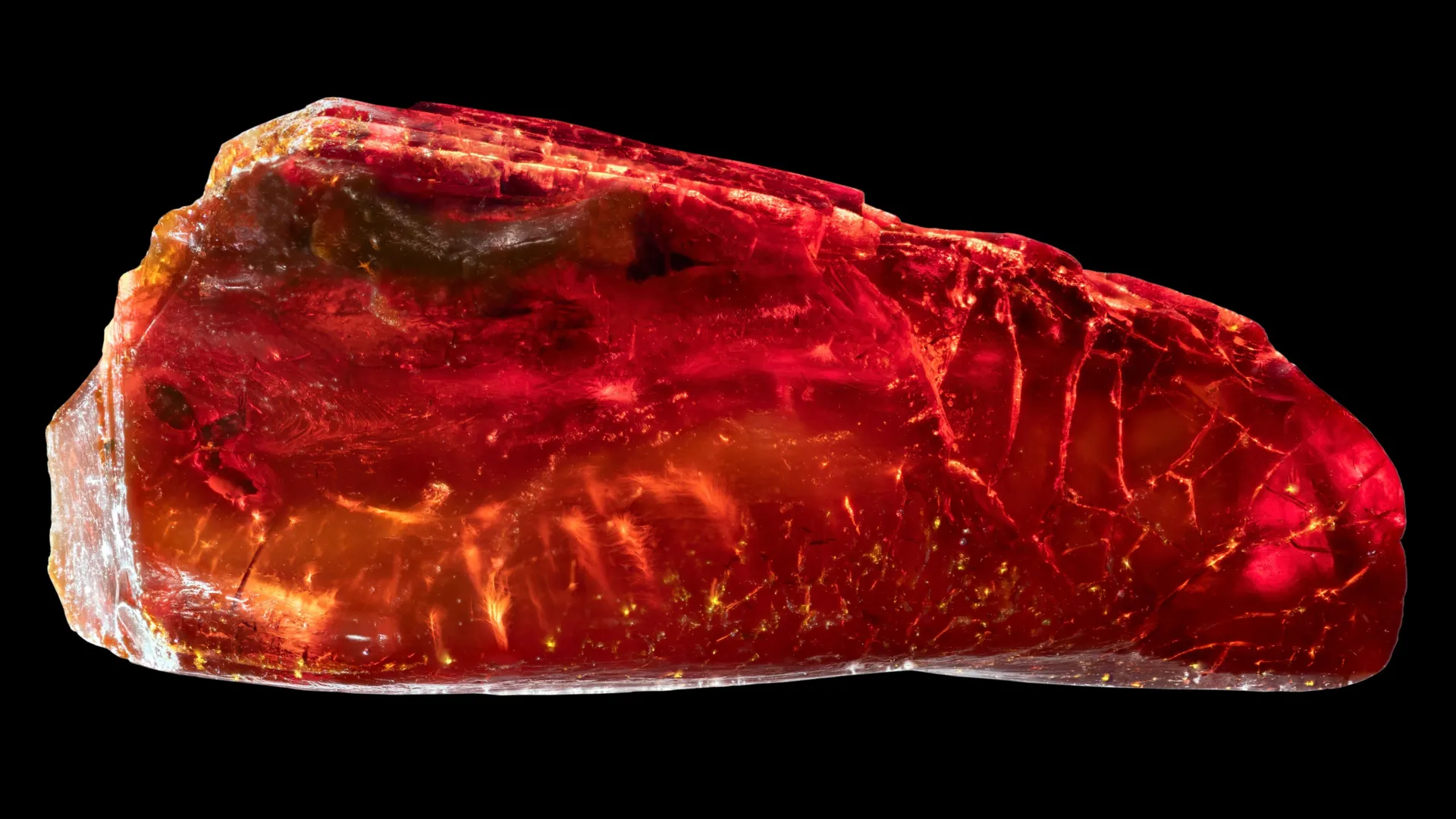
    Goethe never knew this 40-million-year-old ant was hidden in his collection

    Scientists examining amber from Goethe’s personal collection discovered three hidden fossil insects, including an extinct ant preserved in extraordinary detail. Advanced 3D imaging allowed researchers to see not only the ant’s outer features but also structures inside its body. The findings offer new clues about the species’ biology and suggest it likely built large nests in trees.

    ScienceDaily 4 days ago
  8. #8 Score 22
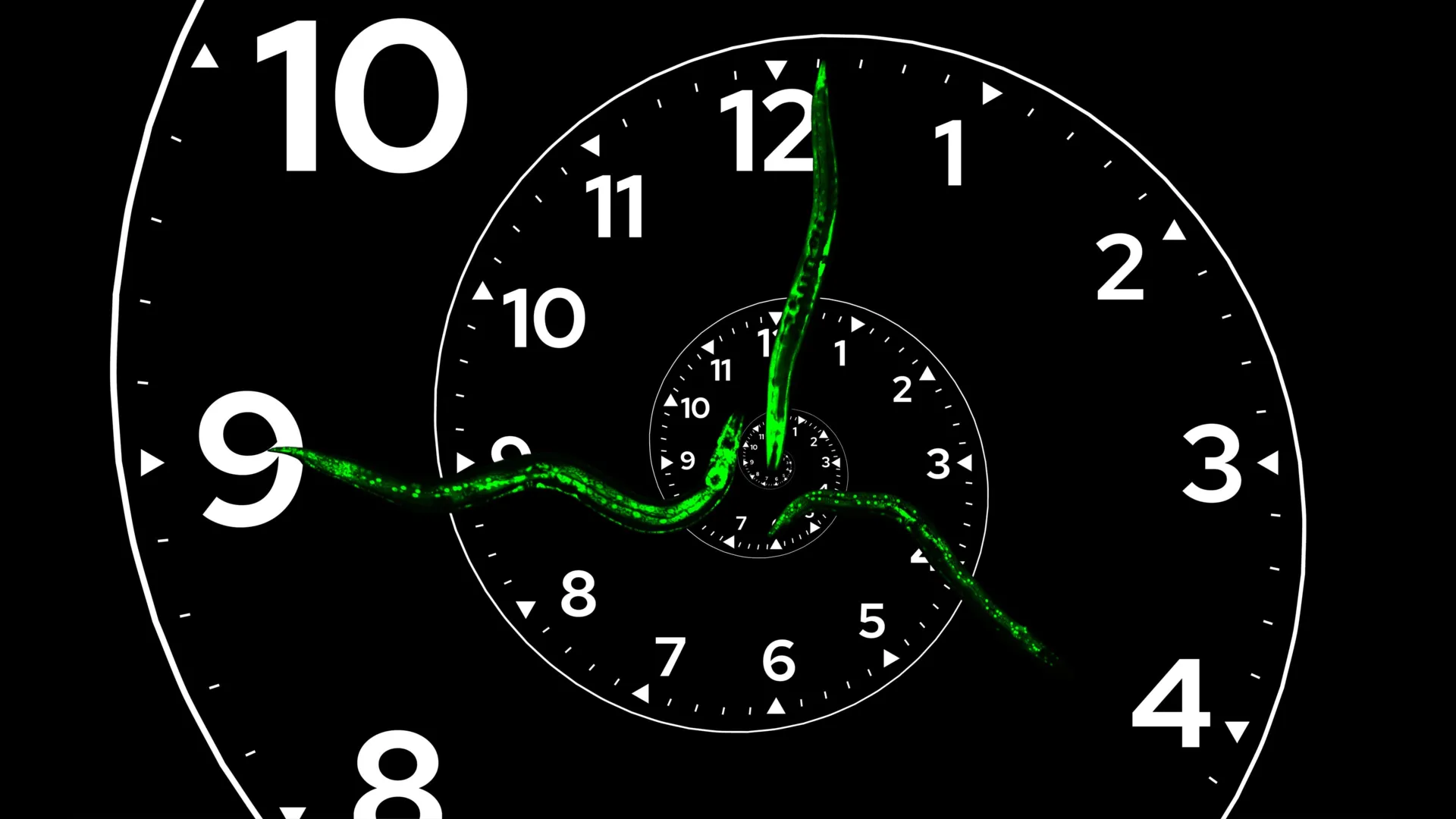
    Scientists discover the master clock that controls biological growth and development

    A newly discovered genetic clock acts as the master timekeeper for development, orchestrating crucial bursts of gene activity throughout a worm’s growth. When the clock is disrupted, development stops, offering fresh clues about how growth-related disorders may arise.

    ScienceDaily 4 days ago
  9. #9 Score 15
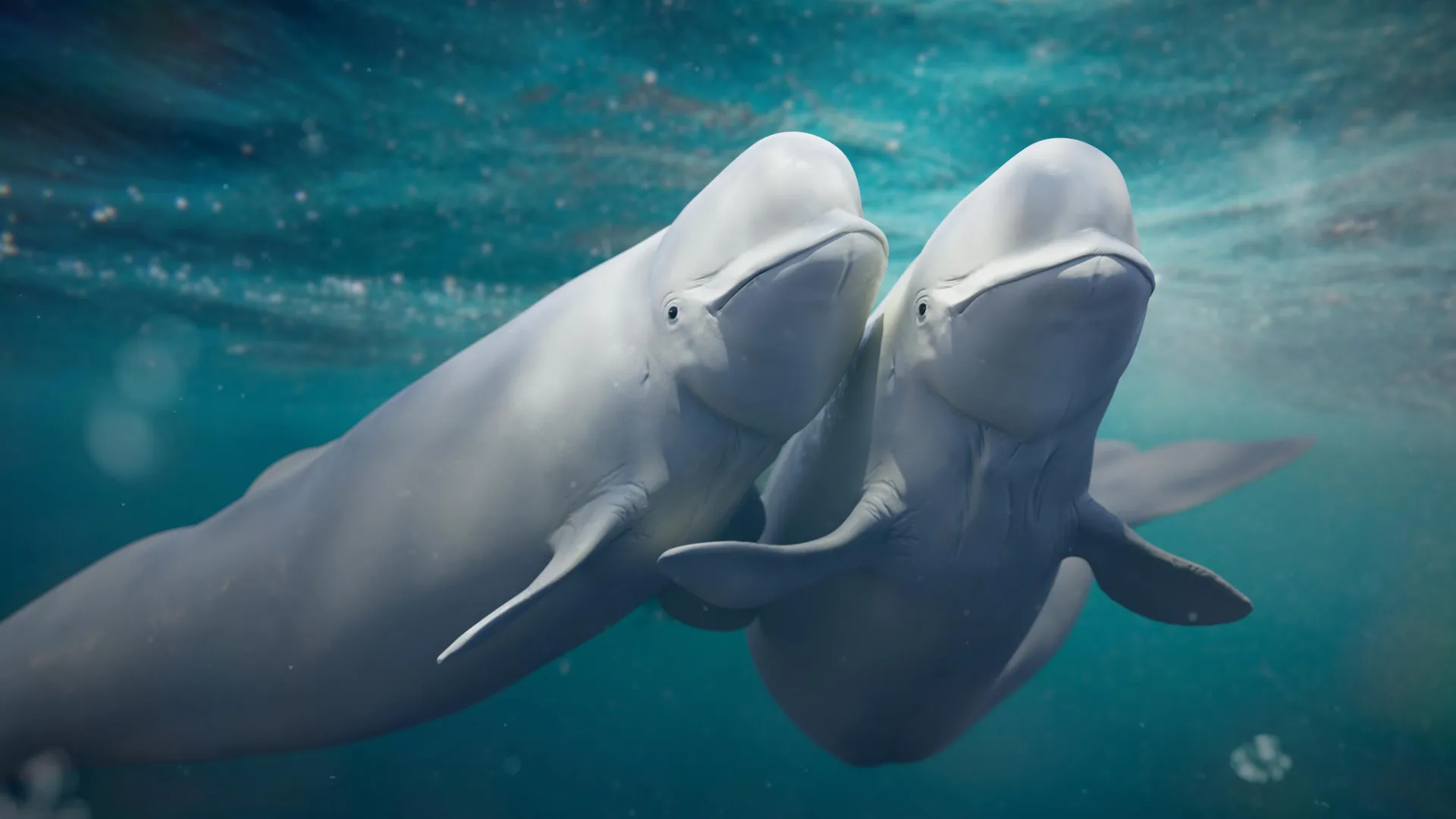
    Beluga whales keep switching mates and it may be saving their species

    Hidden beneath Arctic waters, beluga whales have long kept their family lives a mystery. By analyzing DNA from more than 600 belugas in Alaska’s Bristol Bay over 13 years, researchers uncovered a surprisingly flexible mating system: both males and females regularly have offspring with different partners over their lifetimes.

    ScienceDaily 4 days ago
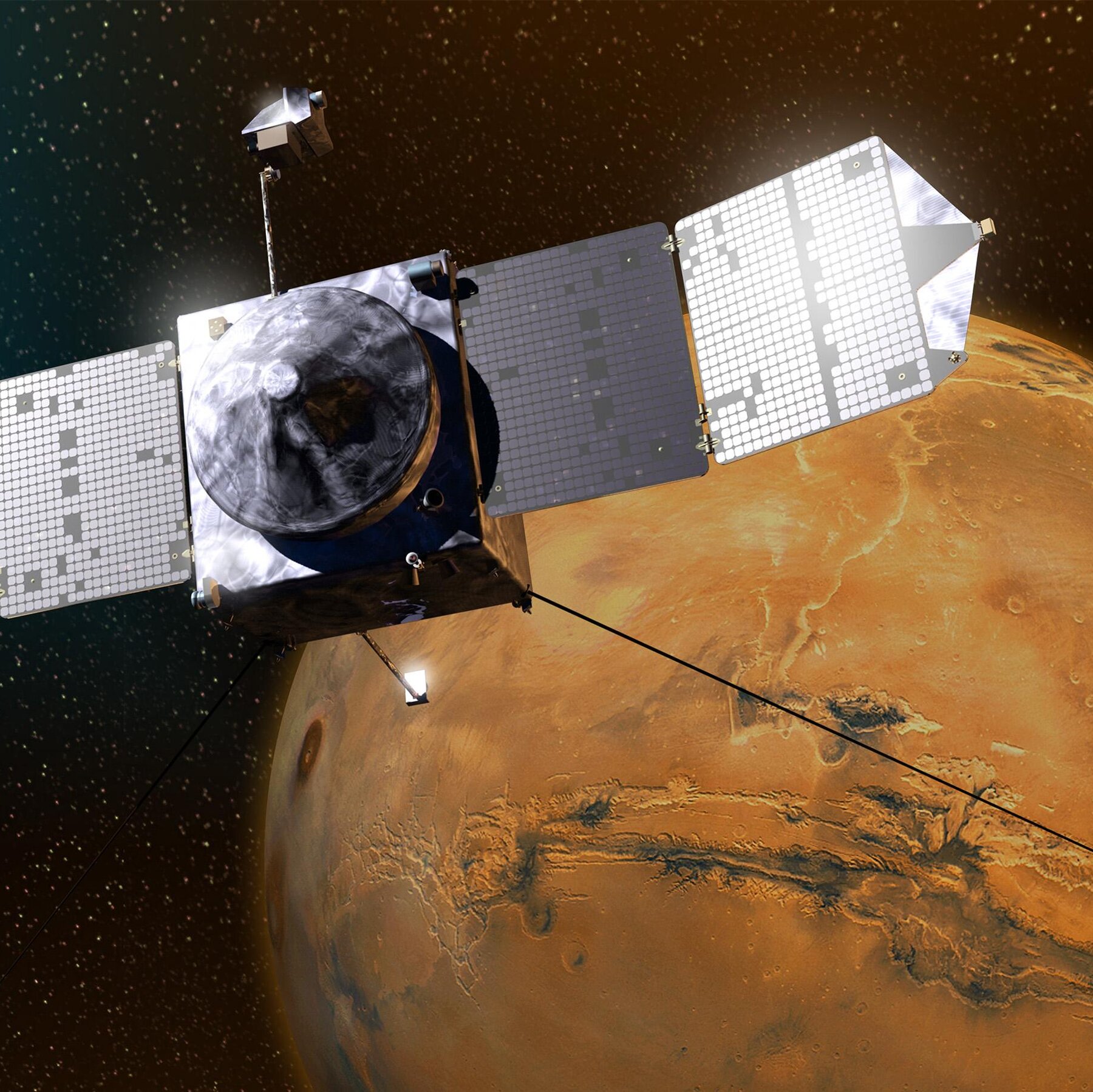
  10. NASA Says Goodbye to its Longtime Mars MAVEN Mission
    #10 Score 8
    NASA Says Goodbye to its Longtime Mars MAVEN Mission

    The space agency announced that the MAVEN spacecraft, which has circled Mars for more than a decade, is being decommissioned.

    NYT Science 5 days ago