
Snapshot generated Jul 19, 2026, 12:20 AM
Snapshot gallery image 1Snapshot gallery image 2Snapshot gallery image 3Snapshot gallery image 4

Science headlines for Saturday, July 18, 2026

Summary of this day news

Science headlines for 2026-07-18 focused on 3 major developments:

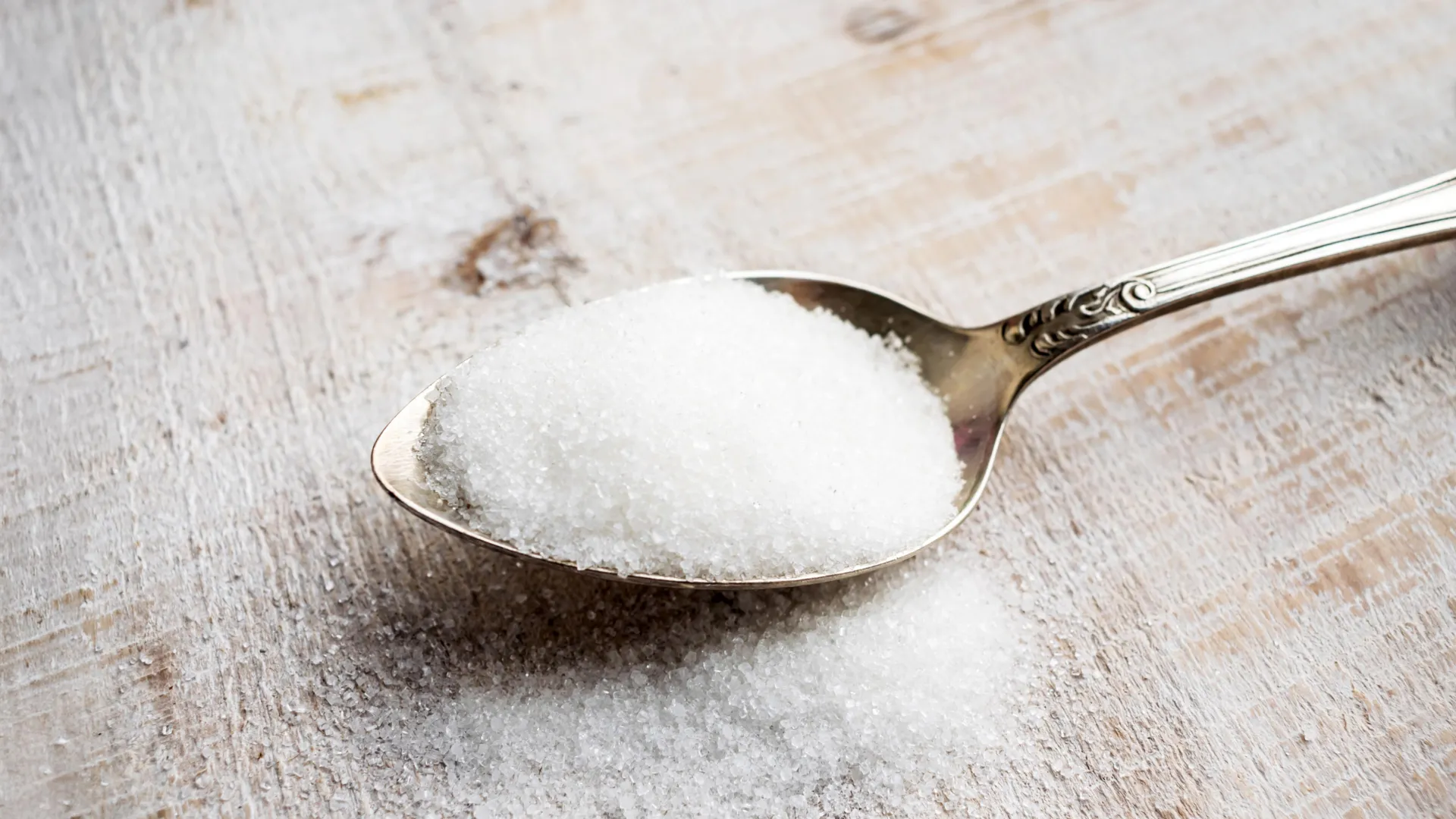
  • 1) Popular sugar substitutes linked to faster brain aging (ScienceDaily)
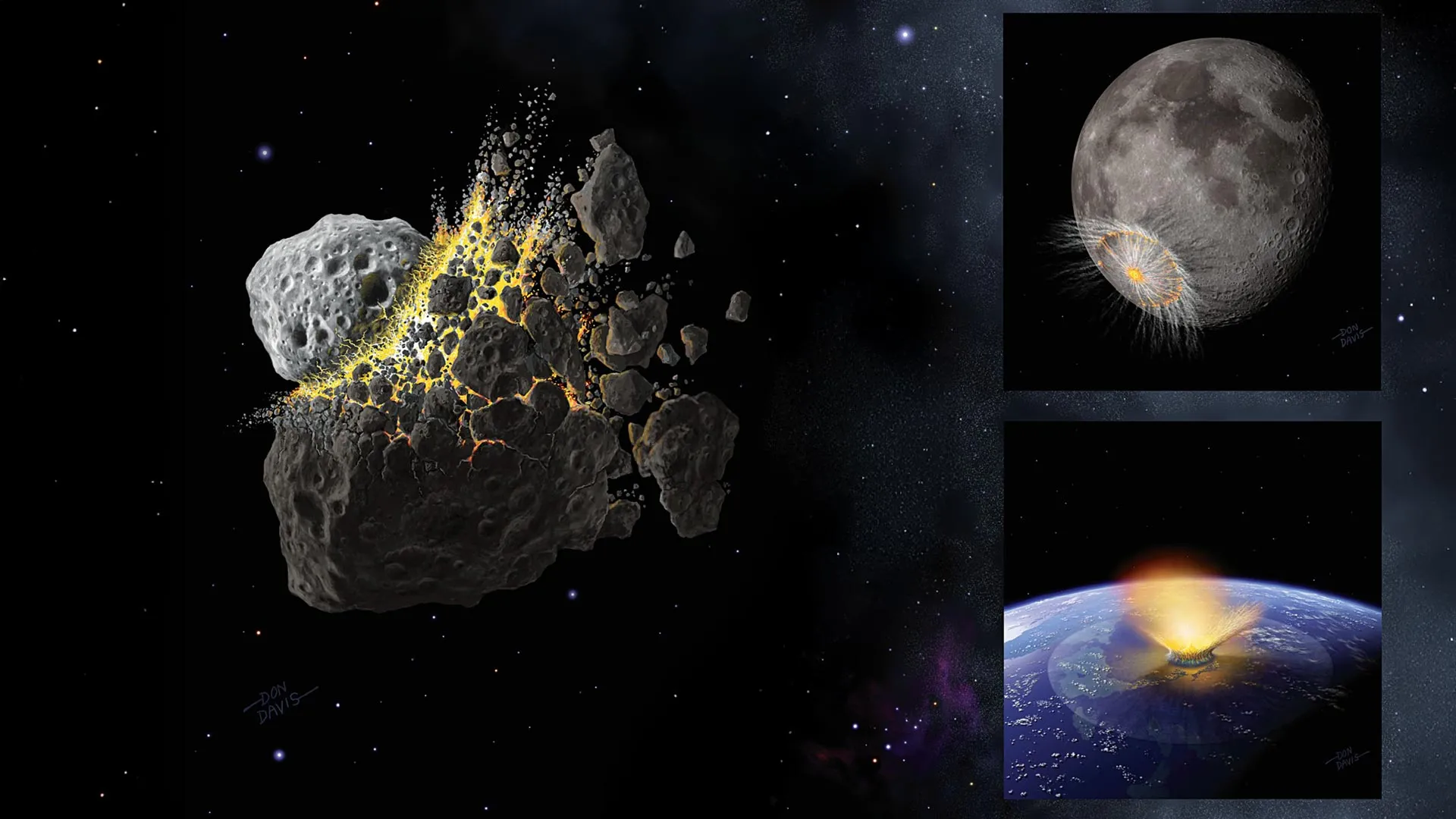
  • 2) A shattered asteroid may have bombarded Earth 800 million years ago (ScienceDaily)
  • 3) Earth’s biggest volcanic event transformed an entire oceanic plate (ScienceDaily) Across these stories, coverage emphasized high-impact updates, policy shifts, and events with broad audience relevance.

Together they provide a representative view of the day in science news before diving into each full report.

Why it matters: This snapshot shows where science attention concentrated on 2026-07-18, highlighting the themes, entities, and geographies that dominated publisher coverage. Because ranking blends freshness, engagement, and source diversity, it helps separate signal from noise. Use it as a quick daily briefing and then open the top stories for fuller context.

Key Points

3 highlights
  1. Popular sugar substitutes linked to faster brain aging

    Sources: #1 ScienceDaily
  2. A shattered asteroid may have bombarded Earth 800 million years ago

    Sources: #2 ScienceDaily
  3. Earth’s biggest volcanic event transformed an entire oceanic plate

    Sources: #3 ScienceDaily

Top 5 Stories

Ranked by daily score
  1. Popular sugar substitutes linked to faster brain aging
    #1 Score 41
    Popular sugar substitutes linked to faster brain aging

    Several popular sugar substitutes may not be as harmless as they seem. Adults who consumed the most artificial sweeteners showed substantially faster declines in memory and thinking, especially if they were under 60 or had diabetes. The highest intake was linked to cognitive aging roughly 1.6 years faster than the lowest intake. Researchers stressed that more studies are needed before concluding that sweeteners ar...

    ScienceDaily 1 day ago
  2. A shattered asteroid may have bombarded Earth 800 million years ago
    #2 Score 38
    A shattered asteroid may have bombarded Earth 800 million years ago

    A catastrophic asteroid breakup may have triggered a huge wave of impacts across the inner solar system about 800 million years ago. The debris was launched from near a gravitational gateway controlled by Jupiter, sending fragments toward Earth, the Moon, and Mars. The bombardment may explain ancient lunar craters and could have contributed to major climate and biological changes on Earth.

    ScienceDaily 1 day ago
  3. Earth’s biggest volcanic event transformed an entire oceanic plate
    #3 Score 37
    Earth’s biggest volcanic event transformed an entire oceanic plate

    Seismic waves have revealed that the oceanic plate beneath the Ontong Java Plateau was dramatically transformed by the colossal volcanic activity that created it more than 100 million years ago. Researchers found a complex structure of horizontal layers cut through by vast swarms of vertical magma channels, along with unusually slow seismic waves suggesting that deep-rising magma chemically altered the plate itself.

    ScienceDaily 1 day ago
  4. As Natural Disasters Expand, a Disaster-Tracking App Is Booming
    #4 Score 27
    As Natural Disasters Expand, a Disaster-Tracking App Is Booming

    Known for tracking California wildfires, Watch Duty is moving beyond that mission. Millions of people are turning to it for help.

    NYT Science 1 day ago
  5. NASA’s James Webb catches a supermassive black hole feeding
    #5 Score 10
    NASA’s James Webb catches a supermassive black hole feeding

    JWST has captured unusually detailed images of gas feeding the supermassive black hole at the center of NGC 4696. A vast filament appears to funnel material into an 800-light-year-wide spinning disk, where gas races around at up to 600 kilometers per second. The findings suggest black holes may recycle their own fuel by heating gas with jets and later drawing the cooled material back in.

    ScienceDaily 1 day ago

Comments (0)

Join the conversation. Comments are rate-limited, secured, and GDPR-compliant.

No comments yet. Be the first to share your thoughts!

Write a comment

0 / 500