
Snapshot generated Jul 16, 2026, 12:20 AM
Snapshot gallery image 1Snapshot gallery image 2Snapshot gallery image 3Snapshot gallery image 4

Science headlines for Wednesday, July 15, 2026

Summary of this day news

Science headlines for 2026-07-15 focused on 3 major developments:

  • 1) NASA Uses Subscale Aircraft to Accelerate Flight Innovation (NASA Breaking News)
  • 2) Researchers Claim to Have Solved the Perplexing ‘Reverse Sprinkler’ Problem That Stumped Feynman (NYT Science)
  • 3) NASA Study of Pristine Meteorite Adds to Story of Ancient Asteroids (NASA Breaking News) Across these stories, coverage emphasized high-impact updates, policy shifts, and events with broad audience relevance.

Together they provide a representative view of the day in science news before diving into each full report.

Why it matters: This snapshot shows where science attention concentrated on 2026-07-15, highlighting the themes, entities, and geographies that dominated publisher coverage. Because ranking blends freshness, engagement, and source diversity, it helps separate signal from noise. Use it as a quick daily briefing and then open the top stories for fuller context.
Key Points

3 highlights
  1. NASA Uses Subscale Aircraft to Accelerate Flight Innovation

    Sources: #1 NASA Breaking News
  2. Researchers Claim to Have Solved the Perplexing ‘Reverse Sprinkler’ Problem That Stumped Feynman

    Sources: #2 NYT Science
  3. NASA Study of Pristine Meteorite Adds to Story of Ancient Asteroids

    Sources: #3 NASA Breaking News

Top 12 Stories

Ranked by daily score
  1. NASA Uses Subscale Aircraft to Accelerate Flight Innovation
    #1 Score 74
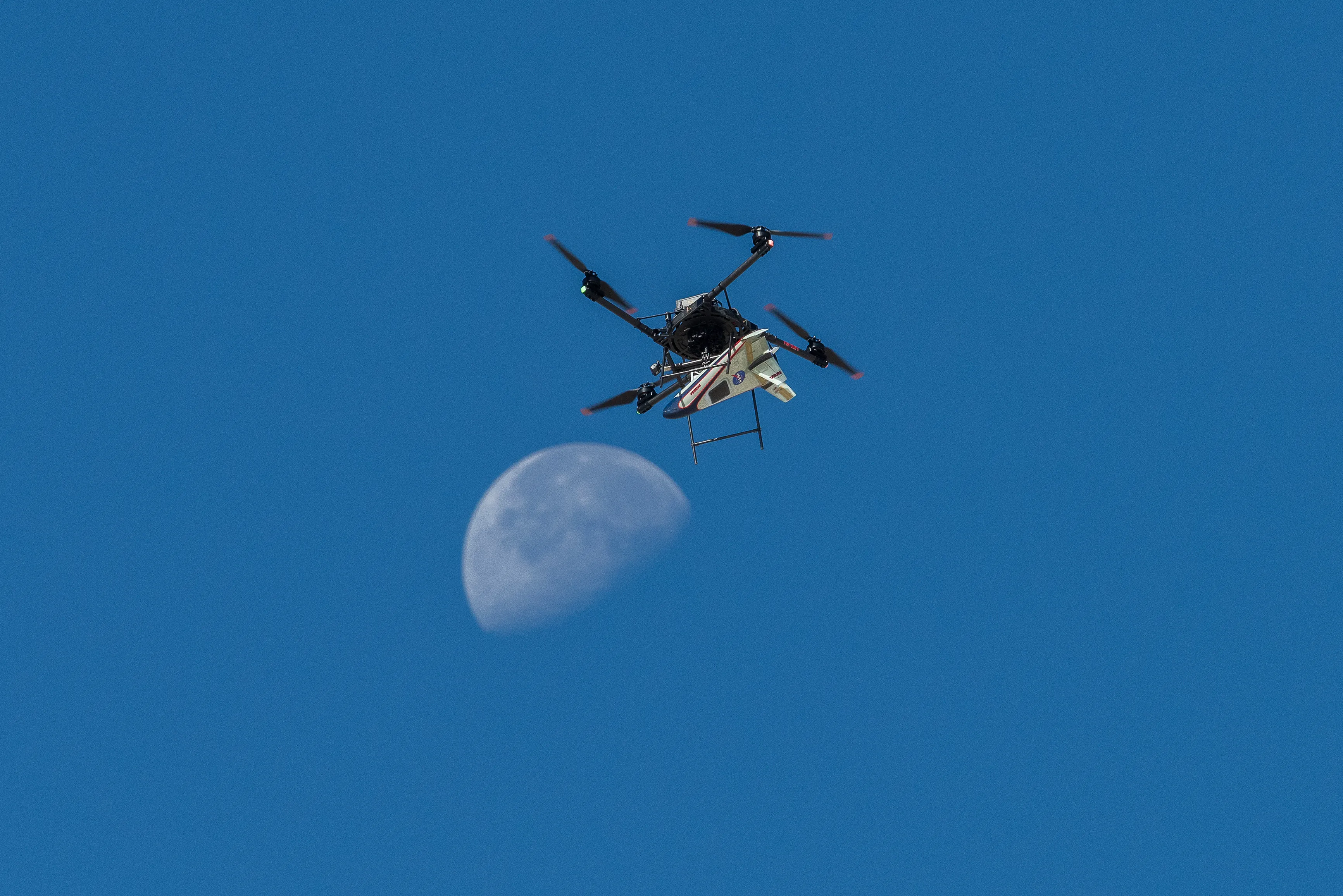
    NASA Uses Subscale Aircraft to Accelerate Flight Innovation

    Testing new aerospace concepts in flight remains one of NASA’s most effective ways to advance knowledge and reduce risk. The Dale Reed Subscale Flight Research Laboratory at NASA’s Armstrong Flight Research Center in Edwards, California, supports this mission by using small, remotely piloted and autonomous aircraft as cost‑effective platforms to mature innovative ideas, accelerate learning, […]

    NASA Breaking News 5 days ago
  2. #2 Score 72
    Researchers Claim to Have Solved the Perplexing ‘Reverse Sprinkler’ Problem That Stumped Feynman

    Physicists have debated which way a submerged sprinkler sucking in water would spin. Careful experiments provide an answer.

    NYT Science 5 days ago
  3. NASA Study of Pristine Meteorite Adds to Story of Ancient Asteroids
    #3 Score 60
    NASA Study of Pristine Meteorite Adds to Story of Ancient Asteroids

    A meteorite recovered immediately upon its fall to Earth on July 16, 2024, is helping NASA scientists uncover new clues about ancient water, the chemical evolution of primitive asteroids, and the ingredients that may have helped make life possible throughout the early solar system.

    NASA Breaking News 5 days ago
  4. Years After He Quit Smoking, a Lung Cancer Scan Saved His Life
    #4 Score 58
    Years After He Quit Smoking, a Lung Cancer Scan Saved His Life

    Lung cancer remains the leading cause of cancer deaths in the United States and older adults are at higher risk. But only about a quarter of patients eligible for screening are up-to-date.

    NYT Science 5 days ago
  5. How NASA’s Artemis III Lander Test Will Pave Way for Moon Landings
    #5 Score 51
    How NASA’s Artemis III Lander Test Will Pave Way for Moon Landings

    Before Artemis astronauts land on the Moon’s surface in 2028, NASA will conduct the Artemis III demonstration mission in 2027, allowing teams on Earth and in orbit to practice rendezvous and docking operations between commercial human landing systems and the Orion spacecraft. Data from that mission, along with future uncrewed demonstration missions at the Moon, […]

    NASA Breaking News 5 days ago
  6. #6 Score 50
    Meet Earth’s Newest Monkey. (And Check Out Its Orange Lips.)

    It is only the fifth new African monkey identified as a new species in the past 75 years.

    NYT Science 5 days ago
  7. Anil Menon Launches to Space Station
    #7 Score 49
    Anil Menon Launches to Space Station

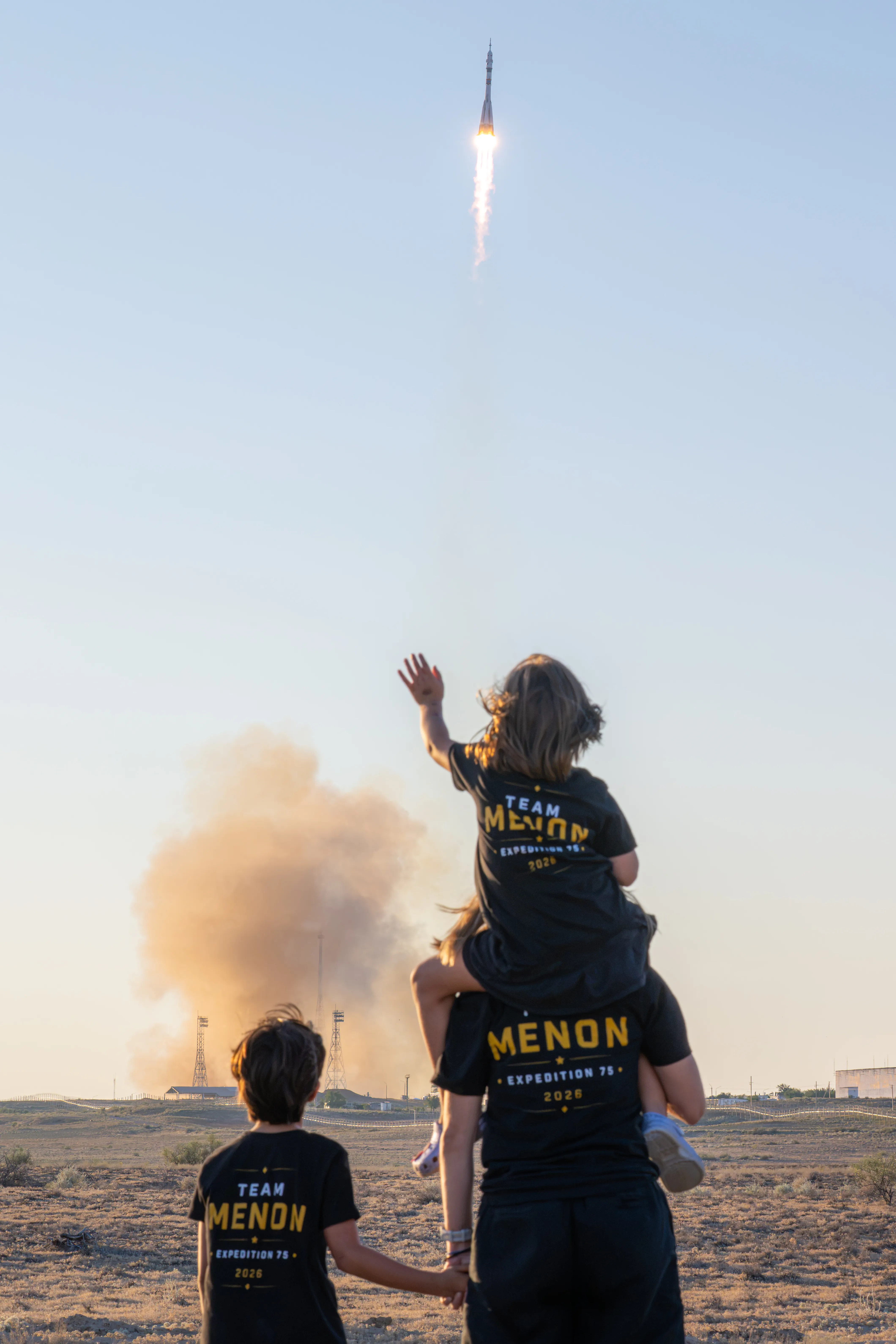
    NASA astronaut candidate Anna Menon and her children watch as a Soyuz rocket launches to the International Space Station with NASA astronaut Anil Menon and Roscosmos cosmonauts Pyotr Dubrov and Anna Kikina, Tuesday, July 14, 2026, at the Baikonur Cosmodrome in Kazakhstan. The trio lifted off for the Soyuz MS-29 mission at 7:47 p.m. local […]

    NASA Breaking News 5 days ago
  8. #8 Score 47
    New Jersey Couple Aids Meteorite Discovery After it Crashes Through Their Roof

    A New Jersey couple helped scientists uncover the makeup of an unusual asteroid after it fell into their bedroom.

    NYT Science 5 days ago
  9. Archaeologists found Homer's Iliad inside a 1,600-year-old Egyptian mummy
    #9 Score 46
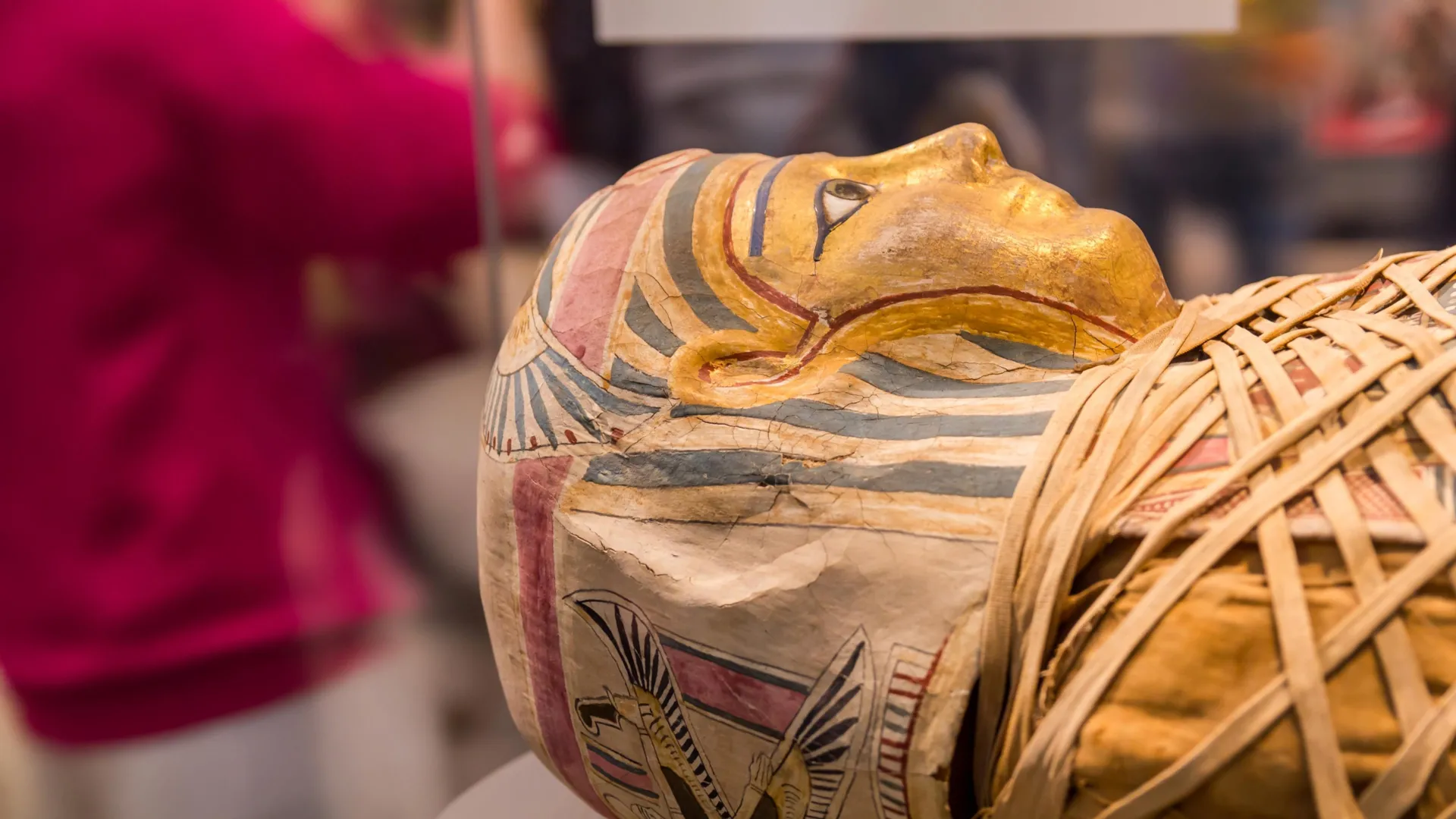
    Archaeologists found Homer's Iliad inside a 1,600-year-old Egyptian mummy

    A 1,600-year-old mummy discovered in Egypt has revealed something archaeologists had never seen before: a fragment of Homer’s Iliad used during embalming. The papyrus was identified as part of the famous "Catalogue of Ships," one of the best-known sections of the ancient epic. Researchers say it is the first archaeological evidence of a Greek literary text being intentionally incorporated into the mummification pr...

    ScienceDaily 5 days ago
  10. Curiosity Finds Evidence of an Ancient Sandstorm
    #10 Score 45
    Curiosity Finds Evidence of an Ancient Sandstorm

    Description Billions of years ago, an hours-long Martian sandstorm blew so intensely that sand ripples began to climb upon one another as they moved across the surface. These layers of sediment eventually hardened into the multilayered rocks seen in this image, which was taken by NASA’s Curiosity rover on Dec. 12, 2024, the 4,391st Martian […]

    NASA Breaking News 5 days ago
  11. Traffic Deaths Spike After Deadly Mass Shootings, Study Suggests
    #11 Score 36
    Traffic Deaths Spike After Deadly Mass Shootings, Study Suggests

    Some gun violence experts are skeptical. But the research raises questions of whether there’s a cause-and-effect relationship and if so, what’s behind it.

    NYT Science 5 days ago
  12. Are humans really the ultimate super-predator?
    #12 Score 35
    Are humans really the ultimate super-predator?

    Humans are often described as the planet's ultimate "super-predator," but wild animals do not fear every human the same way. After analyzing three decades of research, scientists found that animals become much more alert and spend less time feeding when people pose a real threat, such as hunters or fishers. In contrast, tourists, researchers, and other non-lethal humans trigger far weaker and less predictable reac...

    ScienceDaily 5 days ago

Comments (0)

Join the conversation. Comments are rate-limited, secured, and GDPR-compliant.

No comments yet. Be the first to share your thoughts!

Write a comment

0 / 500