Snapshot generated Jul 9, 2026, 12:20 AM
Snapshot gallery image 1Snapshot gallery image 2Snapshot gallery image 3Snapshot gallery image 4

Science headlines for Wednesday, July 8, 2026

Summary of this day news

Science headlines for 2026-07-08 focused on 3 major developments:

It Was Harder Than I Thought. (NYT Science)

  • 1) Students Connect NASA Science With Indigenous Knowledge to Study Coastal Erosion (NASA Breaking News)
  • 2) I Wanted an Ecologically Responsible Garden.
  • 1) Spread of Seafloor Directly Observed for the First Time (NYT Science) Across these stories, coverage emphasized high-impact updates, policy shifts, and events with broad audience relevance.

Together they provide a representative view of the day in science news before diving into each full report.

Why it matters: This snapshot shows where science attention concentrated on 2026-07-08, highlighting the themes, entities, and geographies that dominated publisher coverage. Because ranking blends freshness, engagement, and source diversity, it helps separate signal from noise. Use it as a quick daily briefing and then open the top stories for fuller context.

Key Points

3 highlights
  1. Students Connect NASA Science With Indigenous Knowledge to Study Coastal Erosion

    Sources: #1 NASA Breaking News
  2. I Wanted an Ecologically Responsible Garden. It Was Harder Than I Thought.

    Sources: #2 NYT Science
  3. Spread of Seafloor Directly Observed for the First Time

    Sources: #3 NYT Science

Top 12 Stories

Ranked by daily score
  1. Students Connect NASA Science With Indigenous Knowledge to Study Coastal Erosion
    #1 Score 62
    Students Connect NASA Science With Indigenous Knowledge to Study Coastal Erosion

    For the Pleasant Point Passamaquoddy Reservation, or Sipayik, the ocean has always been a teacher. Situated in what is known as Downeast Maine, along the shores of Passamaquoddy Bay, generations of Indigenous people have lived along the coast, learning from the tides, the land, and their elders. But today, the shoreline is changing more rapidly. Coastal erosion is slowly taking land away. Land that already holds a...

    NASA Breaking News 5 days ago
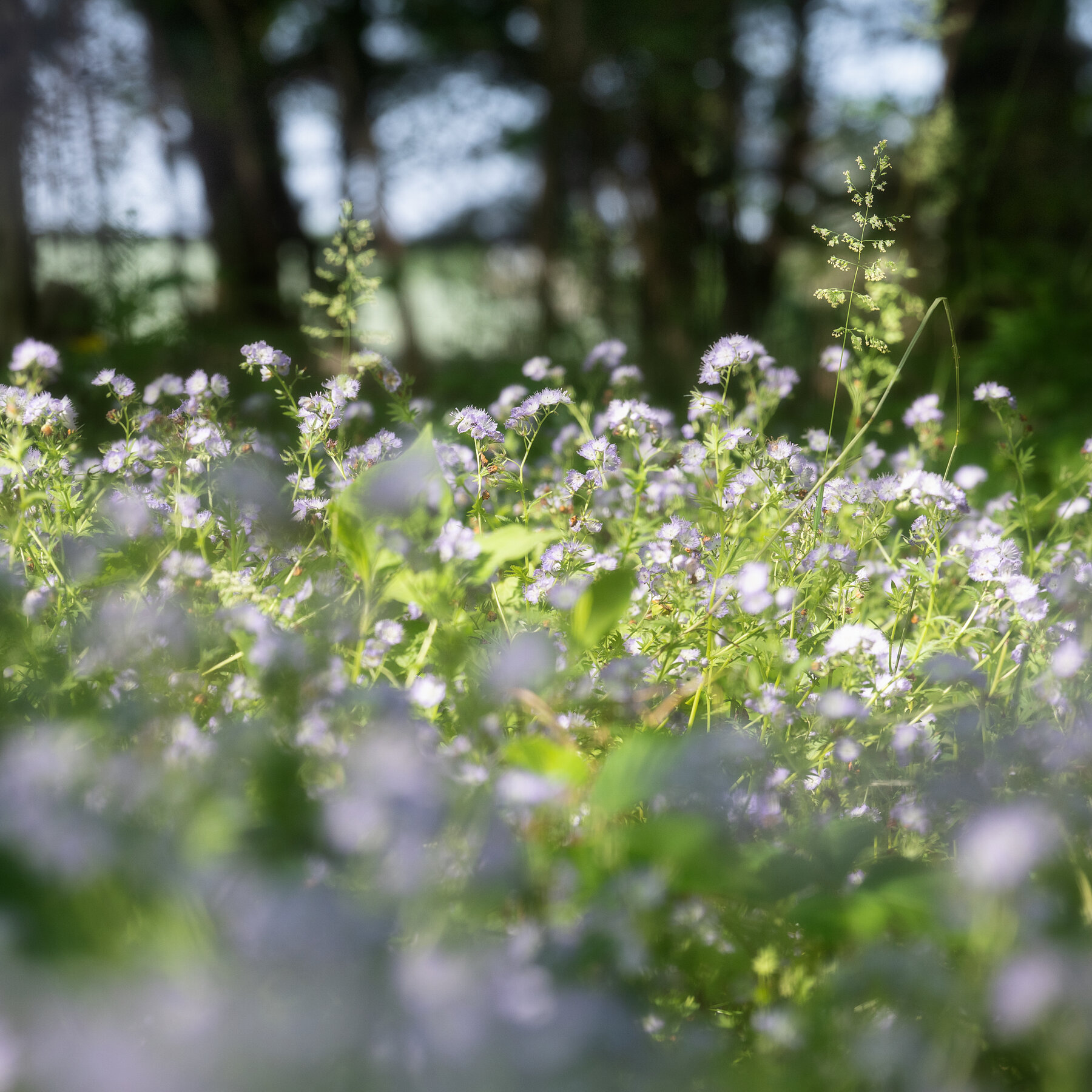
  2. I Wanted an Ecologically Responsible Garden. It Was Harder Than I Thought.
    #2 Score 60
    I Wanted an Ecologically Responsible Garden. It Was Harder Than I Thought.

    The native plant movement gets a lot right, but there’s so much more to consider.

    NYT Science 5 days ago
  3. Spread of Seafloor Directly Observed for the First Time
    #3 Score 54
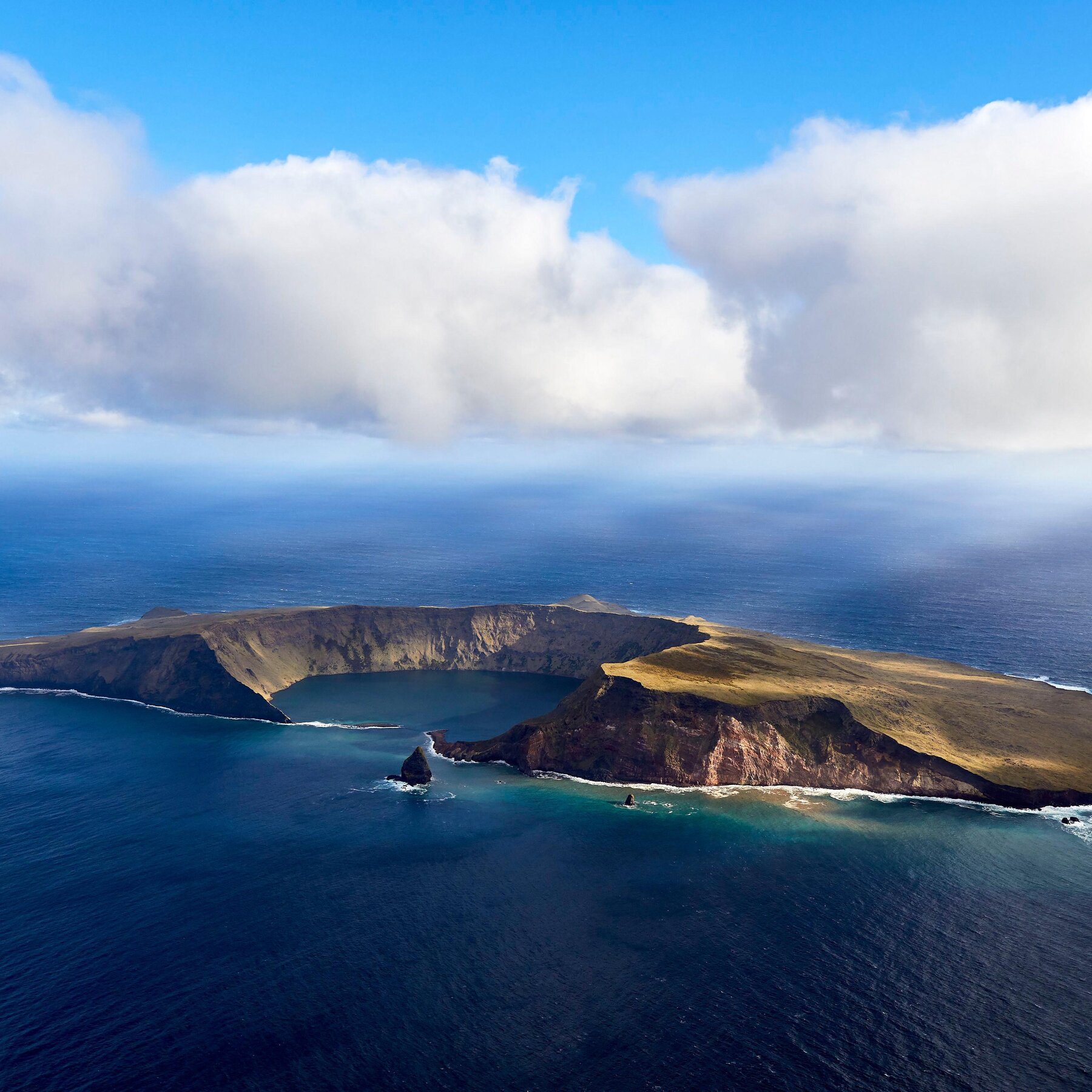
    Spread of Seafloor Directly Observed for the First Time

    The spread of the ocean floor, as tectonic plates spread apart, is known but hard to observe. Scientists have now documented the process in action.

    NYT Science 5 days ago
  4. Global Warming Could Ravage the Amazon’s Useful Plant Species, Study Finds
    #4 Score 44
    Global Warming Could Ravage the Amazon’s Useful Plant Species, Study Finds

    Hotter temperatures and harsher droughts could cause Indigenous societies to lose many of the species they have used for medicine, rituals and more, scientists found.

    NYT Science 5 days ago
  5. New Rules Require Election Changes for States to Get Terrorism Grants
    #5 Score 44
    New Rules Require Election Changes for States to Get Terrorism Grants

    Federal officials said they would withhold some money unless states pursue paper ballot systems, verify citizenship and conduct costly audits.

    NYT Science 5 days ago
  6. Hubble Captures Star-Studded Cluster
    #6 Score 42
    Hubble Captures Star-Studded Cluster

    This image from NASA’s Hubble Space Telescope showcases Messier 3 (M3), one of the Milky Way galaxy’s most massive globular clusters, or spherical collections of gravitationally bound stars. Globular clusters are made up of ancient stars that formed at roughly the same time from the same cloud of gas, giving those stars similar ages. Around 150 known globular clusters are […]

    NASA Breaking News 5 days ago
  7. Chernobyl’s Wildlife Cameras Reveal How War Affects Wild Animals
    #7 Score 27
    Chernobyl’s Wildlife Cameras Reveal How War Affects Wild Animals

    A rare camera-trap study logged the effects of armed conflict on wild animals in real time.

    NYT Science 5 days ago
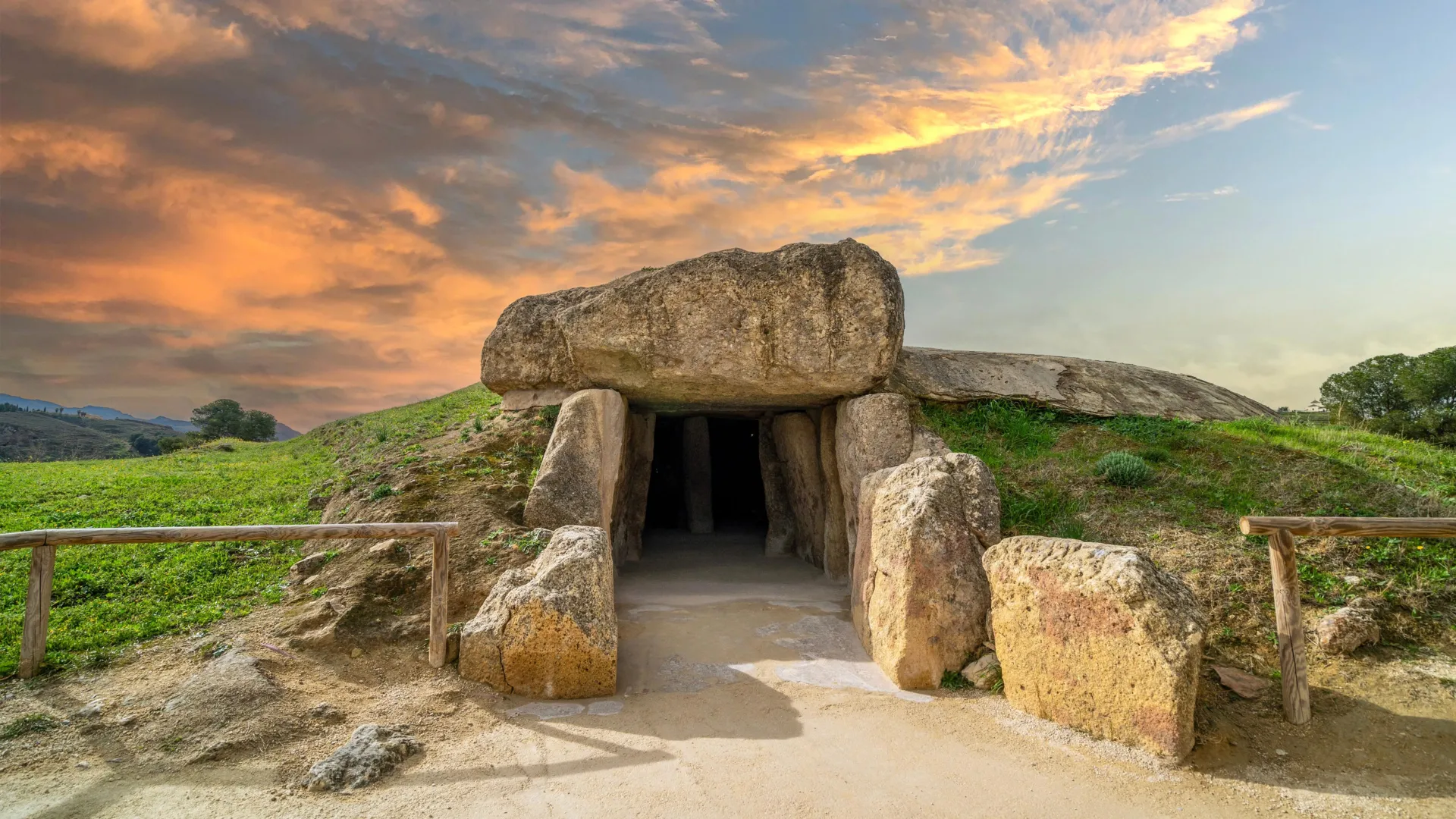
  8. Ancient DNA reveals the mysterious collapse of Europe's megalith builders
    #8 Score 23
    Ancient DNA reveals the mysterious collapse of Europe's megalith builders

    DNA from a 5,000-year-old French megalithic tomb reveals that the people buried before and after a population collapse were genetically unrelated, pointing to a major migration after a devastating crisis. The shift coincided with new social traditions and the disappearance of the communities that built Europe's giant stone monuments.

    ScienceDaily 5 days ago
  9. New AI model reveals how neutron star mergers forge heavy elements
    #9 Score 12
    New AI model reveals how neutron star mergers forge heavy elements

    Researchers have created an AI-based simulation that makes it much faster to model how neutron star mergers produce many of the universe's heaviest elements. The new tool could improve predictions of these powerful explosions while helping scientists better connect observations in space with experiments on Earth.

    ScienceDaily 5 days ago
  10. Cottonwood Fire Chars Utah
    #10 Score 12
    Cottonwood Fire Chars Utah

    The blaze burned more than 150 square miles and swept through parts of a ski resort.

    NASA Breaking News 5 days ago
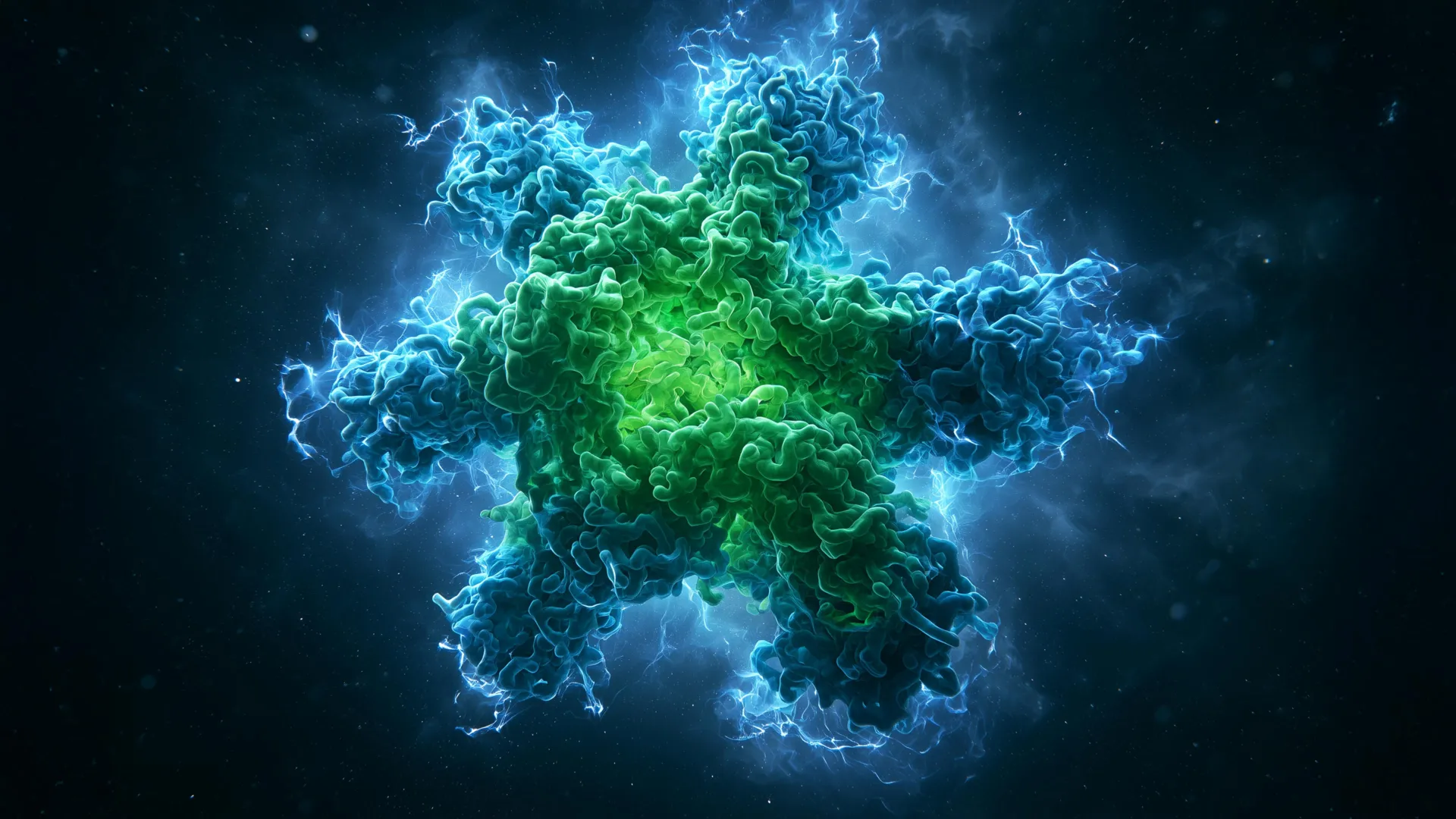
  11. Scientists resurrect 3.2-billion-year-old enzyme to reveal how life began on Earth
    #11 Score 5
    Scientists resurrect 3.2-billion-year-old enzyme to reveal how life began on Earth

    Researchers rebuilt long-extinct versions of a crucial enzyme that helps make nitrogen available to life, offering an unprecedented glimpse into Earth’s distant past. The breakthrough could aid the search for extraterrestrial life while helping scientists tackle future food-production challenges on Earth and beyond.

    ScienceDaily 5 days ago
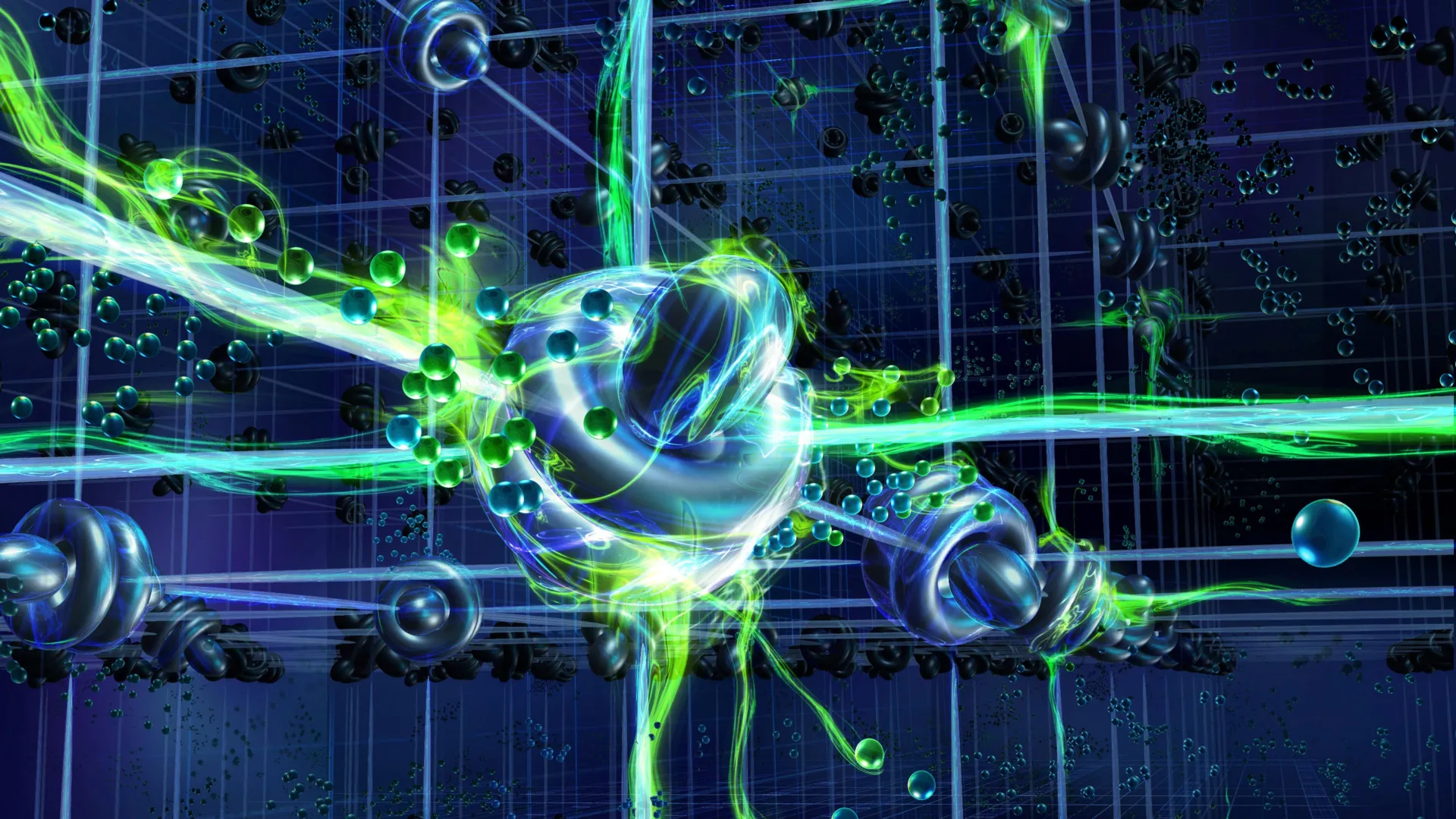
  12. Schrödinger’s anthill: Quantum entanglement found in a crystal large enough to hold
    #12 Score 3
    Schrödinger’s anthill: Quantum entanglement found in a crystal large enough to hold

    A centimeter-sized crystal has revealed clear signs of quantum entanglement, showing that large, everyday objects can display surprisingly deep quantum behavior. The discovery could help solve the mystery of strange metals while opening new possibilities for ultra-precise quantum sensors and other advanced technologies.

    ScienceDaily 6 days ago

Comments (0)

Join the conversation. Comments are rate-limited, secured, and GDPR-compliant.

No comments yet. Be the first to share your thoughts!

Write a comment

0 / 500