Daily archive
Science - Wednesday, July 1, 2026
AI-generated daily summary plus top ranked stories from the day.
Science headlines for Wednesday, July 1, 2026
Science headlines for 2026-07-01 focused on 3 major developments: 1) NASA’s Chandra Examines Milky Way at Arms’ Length (NASA Breaking News) 2) Scientists recreated a dinosaur nest and solved a 70-million-year-old mystery (ScienceDaily) 3) U.S. to Overhaul Radiation Safety Rules to Spur Nuclear Expansion (NYT Science) Across these stories, coverage emphasized high-impact updates, policy shifts, and events with broad audience relevance. Together they provide a representative view of the day in science news before diving into each full report.
Why it matters: This snapshot shows where science attention concentrated on 2026-07-01, highlighting the themes, entities, and geographies that dominated publisher coverage. Because ranking blends freshness, engagement, and source diversity, it helps separate signal from noise. Use it as a quick daily briefing and then open the top stories for fuller context.
Key Points
3 highlights-
NASA’s Chandra Examines Milky Way at Arms’ Length
Sources: #1 NASA Breaking News -
Scientists recreated a dinosaur nest and solved a 70-million-year-old mystery
Sources: #2 ScienceDaily -
U.S. to Overhaul Radiation Safety Rules to Spur Nuclear Expansion
Sources: #3 NYT Science
Top 10 Stories
Ranked by daily score-
 #1 Score 69NASA’s Chandra Examines Milky Way at Arms’ Length
A new result using NASA’s Chandra X-ray Observatory shows that the outer spiral arms in the Milky Way galaxy may reach wider than previously thought. This finding may lead astronomers to adjust their understanding of our home galaxy’s structure. A team of astronomers made this discovery by making precise measurements of distances to dust clouds […]
- #2 Score 69Scientists recreated a dinosaur nest and solved a 70-million-year-old mystery
A team of researchers recreated a life-size oviraptor nest to investigate how these bird-like dinosaurs incubated their eggs millions of years ago. By combining physical experiments with heat transfer simulations, they discovered that oviraptors likely relied on both their own body heat and warmth from the sun.
-
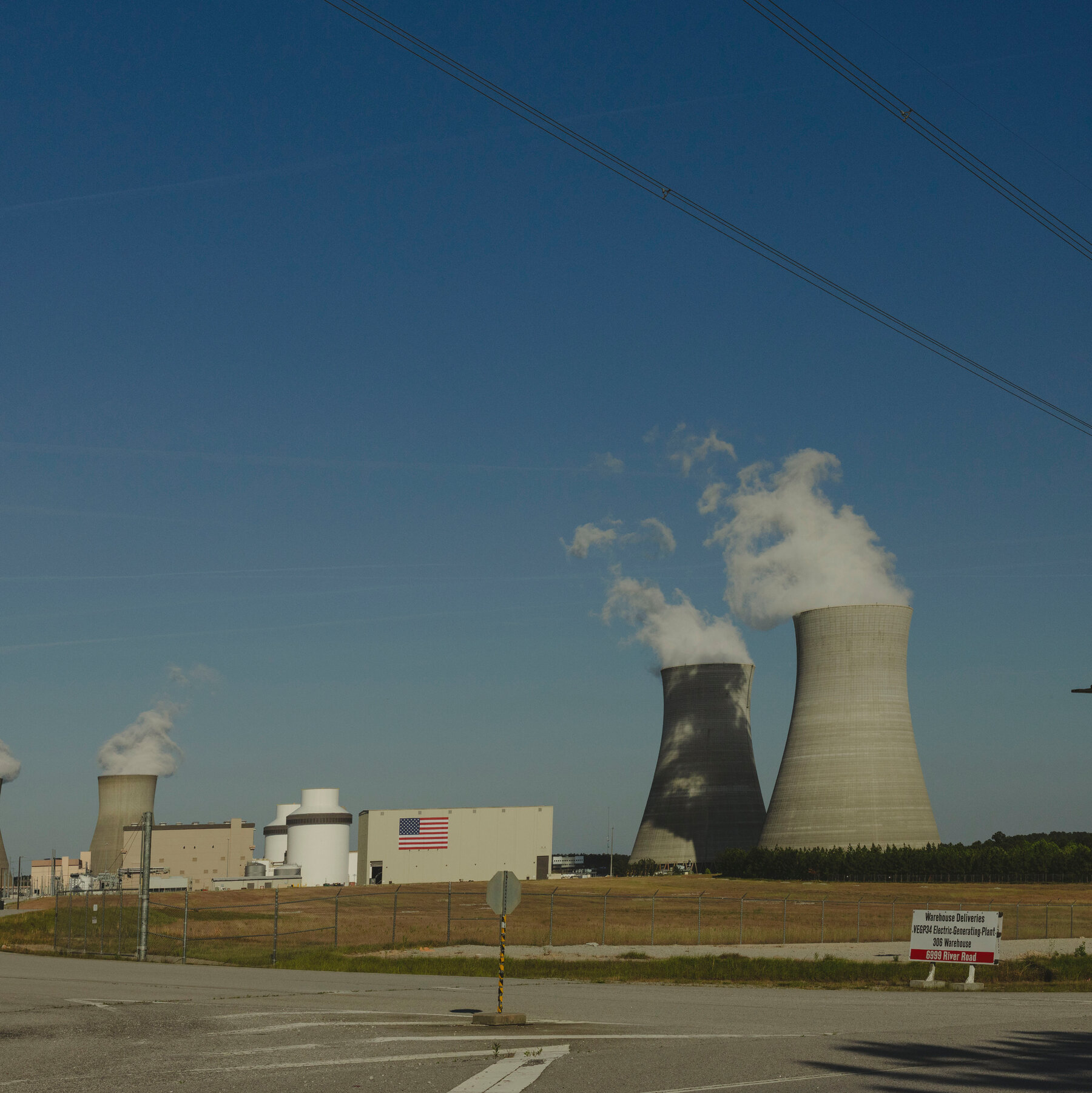 #3 Score 67U.S. to Overhaul Radiation Safety Rules to Spur Nuclear Expansion
The Nuclear Regulatory Commission plans to end longstanding guidance that radiation exposure be “as low as reasonably achievable.”
- #4 Score 60SpudCell: Scientists Made a Cell With Most of the Hallmarks of Life. Here’s What to Know.
From why it was created to whether it’s alive, here’s what to know about SpudCell, the latest advance in synthetic biology.
-
 #5 Score 51NASA Seeks Volunteers for New Yearlong Simulated Moon, Mars Mission
NASA is recruiting research participants for the agency’s next simulated deep space mission. Beginning no earlier than August 2027, research volunteers will spend one year living and working in interplanetary environments at the agency’s Johnson Space Center in Houston, operating under isolated conditions expected during crewed missions to the Moon or Red Planet. Insights from this […]
-
 #6 Score 41LINK Spacecraft Set for Mission to Boost NASA’s Swift Observatory
A first-of-its-kind mission to raise the orbit of NASA’s Neil Gehrels Swift Observatory is poised for launch no earlier than Thursday, July 2, 5:09 a.m. EDT (9:09 p.m. UTC+12), from Kwajalein Atoll, part of the Republic of the Marshall Islands in the South Pacific Ocean. A robotic servicing spacecraft called LINK, built by Katalyst Space, will blast […]
-
 #7 Score 38NASA’s Webb Studies How Planet Survived Death of its Star
NASA’s James Webb Space Telescope is giving us new insight into the far-future of solar systems like our own, as the agency continues to reveal the secrets of the universe and our place in it. Billions of years ago, a Sun-like star nearing the end of its life swelled tremendously in size to become a […]
-
 #8 Score 35Curiosity Blog, Sols 4934-4940: In the Land of the Polygons
Written by William Farrand, Senior Research Scientist, Space Science Institute Earth planning date: Friday, June 26, 2026 There were two planning cycles over this span of sols. The Monday planning took place with Curiosity situated within a unit that from orbital imagery appeared light-toned, and from earlier rover positions appeared smooth. Reaching this unit, the […]
-
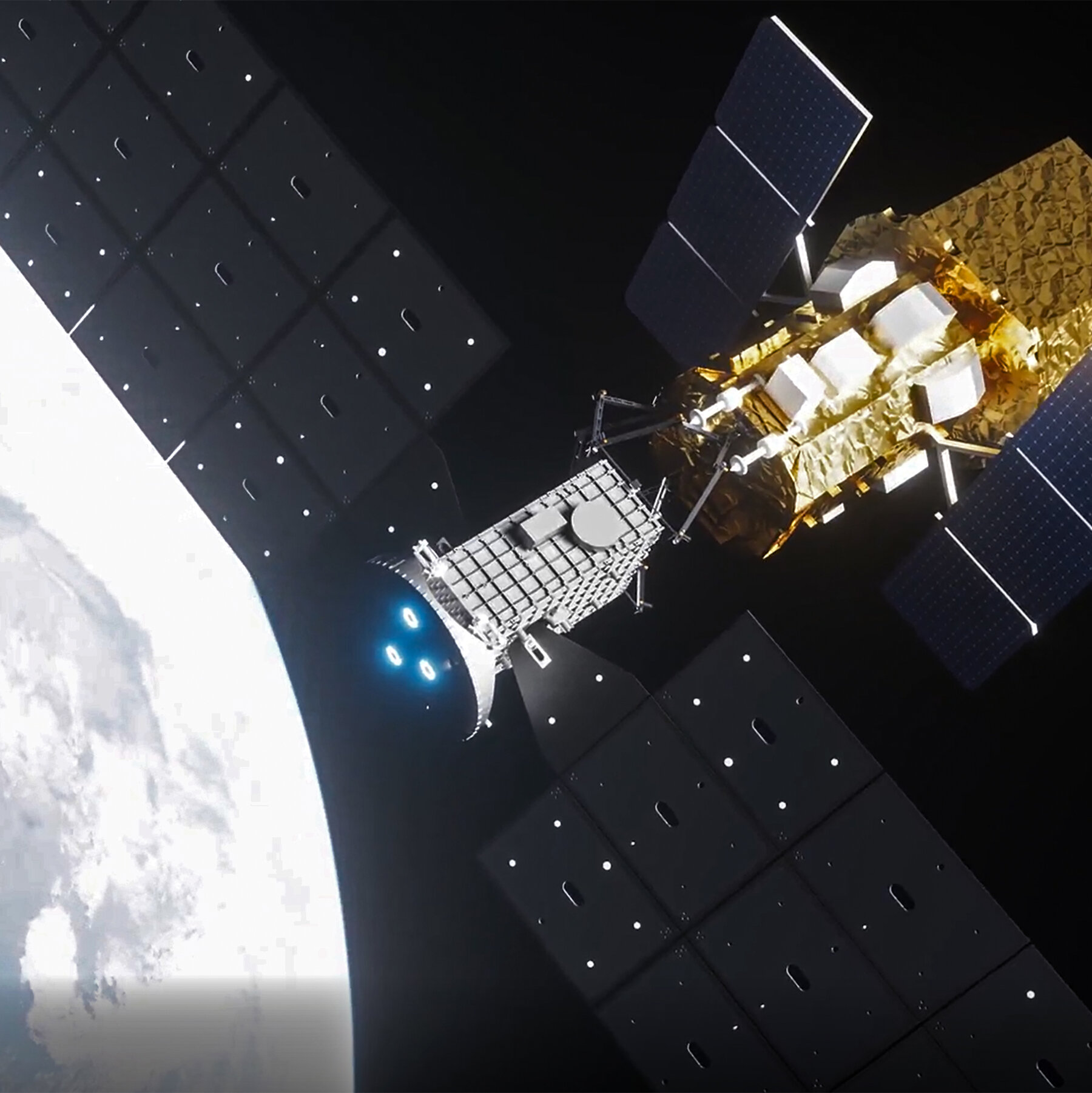 #9 Score 32NASA Aims to Catch a Falling Space Telescope and Push It Back Up
Without a rescue mission, NASA’s Swift Observatory, which studies some of the most powerful explosions in the universe, will burn up in the atmosphere within a few months.
- #10 Score 30Simple water trick slashes diesel engine pollution by over 60%
A surprisingly simple fuel modification could help tackle one of diesel engines’ biggest problems: pollution. Researchers reviewing studies from around the world found that mixing small amounts of water into diesel fuel can dramatically reduce harmful emissions, including nitrogen oxides and soot, while maintaining or even improving engine efficiency.