Daily archive
Science - Sunday, June 14, 2026
AI-generated daily summary plus top ranked stories from the day.
Science headlines for Sunday, June 14, 2026
Science headlines for 2026-06-14 focused on 3 major developments: 1) A dying star could create a new universe instead of a black hole (ScienceDaily) 2) Millipedes beat vertebrates to land by 80 million years (ScienceDaily) 3) Scientists discover parrots may actually use names (ScienceDaily) Across these stories, coverage emphasized high-impact updates, policy shifts, and events with broad audience relevance. Together they provide a representative view of the day in science news before diving into each full report.
Why it matters: This snapshot shows where science attention concentrated on 2026-06-14, highlighting the themes, entities, and geographies that dominated publisher coverage. Because ranking blends freshness, engagement, and source diversity, it helps separate signal from noise. Use it as a quick daily briefing and then open the top stories for fuller context.
Key Points
3 highlights-
A dying star could create a new universe instead of a black hole
Sources: #1 ScienceDaily -
Millipedes beat vertebrates to land by 80 million years
Sources: #2 ScienceDaily -
Scientists discover parrots may actually use names
Sources: #3 ScienceDaily
Top 10 Stories
Ranked by daily score-
 #1 Score 24A dying star could create a new universe instead of a black hole
What if some black holes aren’t black holes at all? A new theoretical study suggests that when a massive star collapses, it might not form a singularity hidden behind an event horizon. Instead, the collapse could trigger the birth of a tiny new universe inside the dying star. Driven by dark energy, this miniature cosmos would expand and push back against gravity, preventing complete collapse and creating an exotic object known as a gravastar.
- #2 Score 22Millipedes beat vertebrates to land by 80 million years
Millipedes may have been crawling across Earth's landscapes nearly 460 million years ago, long before vertebrates ventured onto land. A new study finally completes their evolutionary family tree, revealing surprising clues about these ancient ecosystem engineers and their early chemical defenses.
- #3 Score 16Scientists discover parrots may actually use names
Parrots may be doing more than just repeating words—they may actually use names. By analyzing hundreds of recordings from pet parrots, researchers found evidence that many birds use specific names to identify particular people, animals, and even individual companions. Some parrots appeared to refer to someone who wasn’t present, while others used names in creative ways, such as saying their own name to grab attention.
-
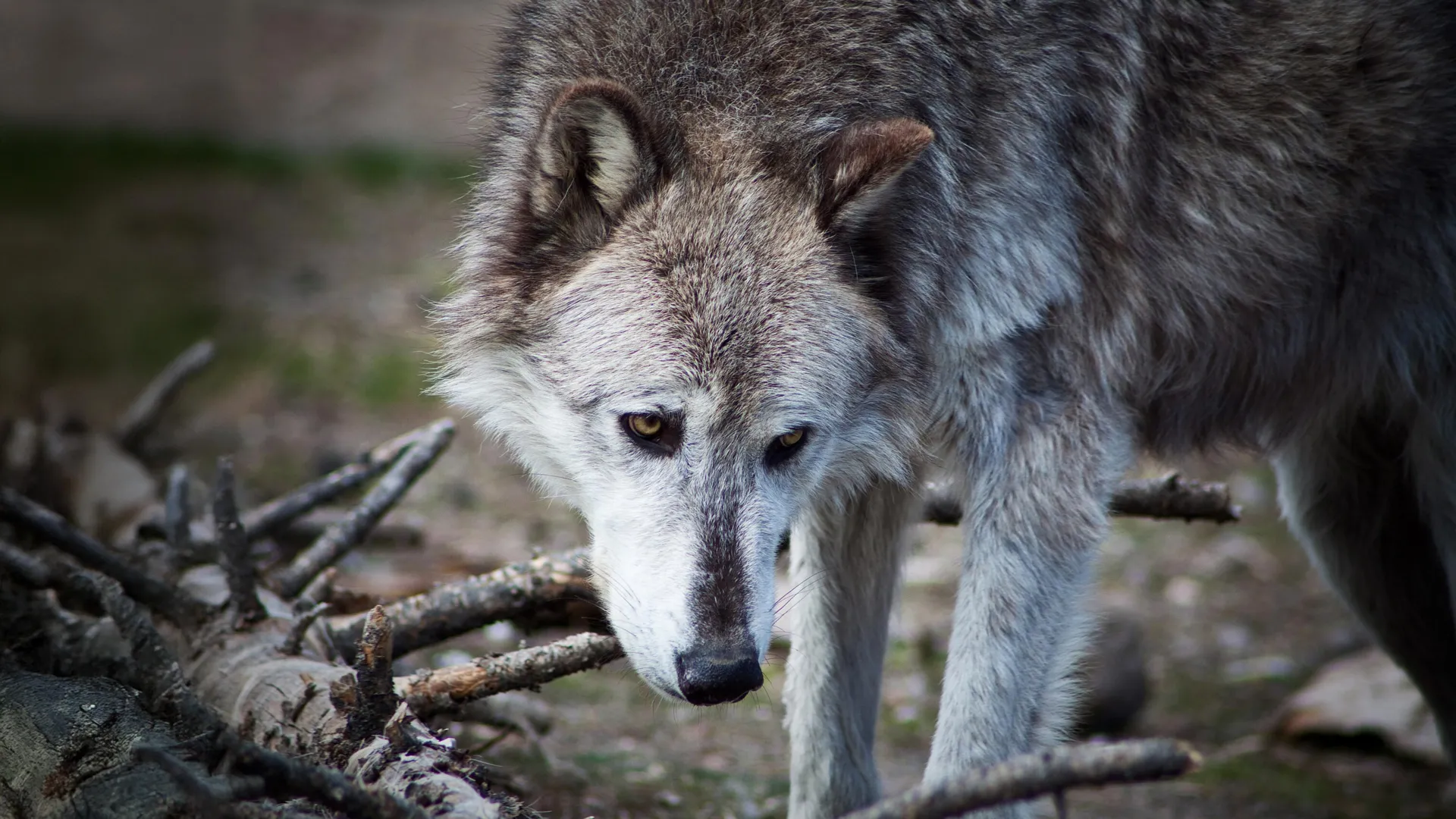 #4 Score 13Yellowstone wolves may not have reshaped the national park after all
One of the most celebrated claims about Yellowstone’s wolves is facing a major challenge. Scientists say the study behind the famous trophic cascade story relied on flawed methods that overstated the ecological impact of wolf recovery. Their reanalysis found no evidence for a dramatic, park-wide surge in willow growth. Instead, the effects appear smaller and vary from place to place.
- #5 Score 6Ancient Denisovan DNA still shapes human immunity today
Ancient encounters between humans and the mysterious Denisovans are still shaping people today. By analyzing genomes from populations across the Pacific, researchers uncovered evidence that the ancestors of Near Oceanians interbred with at least three different Denisovan groups, leaving behind genetic variants that remain active in modern humans.