Daily Snapshot

Science headlines for Sunday, May 31, 2026

Science headlines for 2026-05-31 focused on 3 major developments: 1) 2025 Wildfires Were the Costliest Ever, Researchers Say (NYT Science) 2) Chimpanzees and bonobos have human-like friend circles, study finds (ScienceDaily) 3) New solar desalination breakthrough makes fresh water without toxic brine (ScienceDaily) Across these stories, coverage emphasized high-impact updates, policy shifts, and events with broad audience relevance. Together they provide a representative view of the day in science news before diving into each full report.

Why it matters: This snapshot shows where science attention concentrated on 2026-05-31, highlighting the themes, entities, and geographies that dominated publisher coverage. Because ranking blends freshness, engagement, and source diversity, it helps separate signal from noise. Use it as a quick daily briefing and then open the top stories for fuller context.
Key Points

3 highlights
  1. 2025 Wildfires Were the Costliest Ever, Researchers Say

    Sources: #1 NYT Science
  2. Chimpanzees and bonobos have human-like friend circles, study finds

    Sources: #2 ScienceDaily
  3. New solar desalination breakthrough makes fresh water without toxic brine

    Sources: #3 ScienceDaily

Top 10 Stories

Ranked by daily score
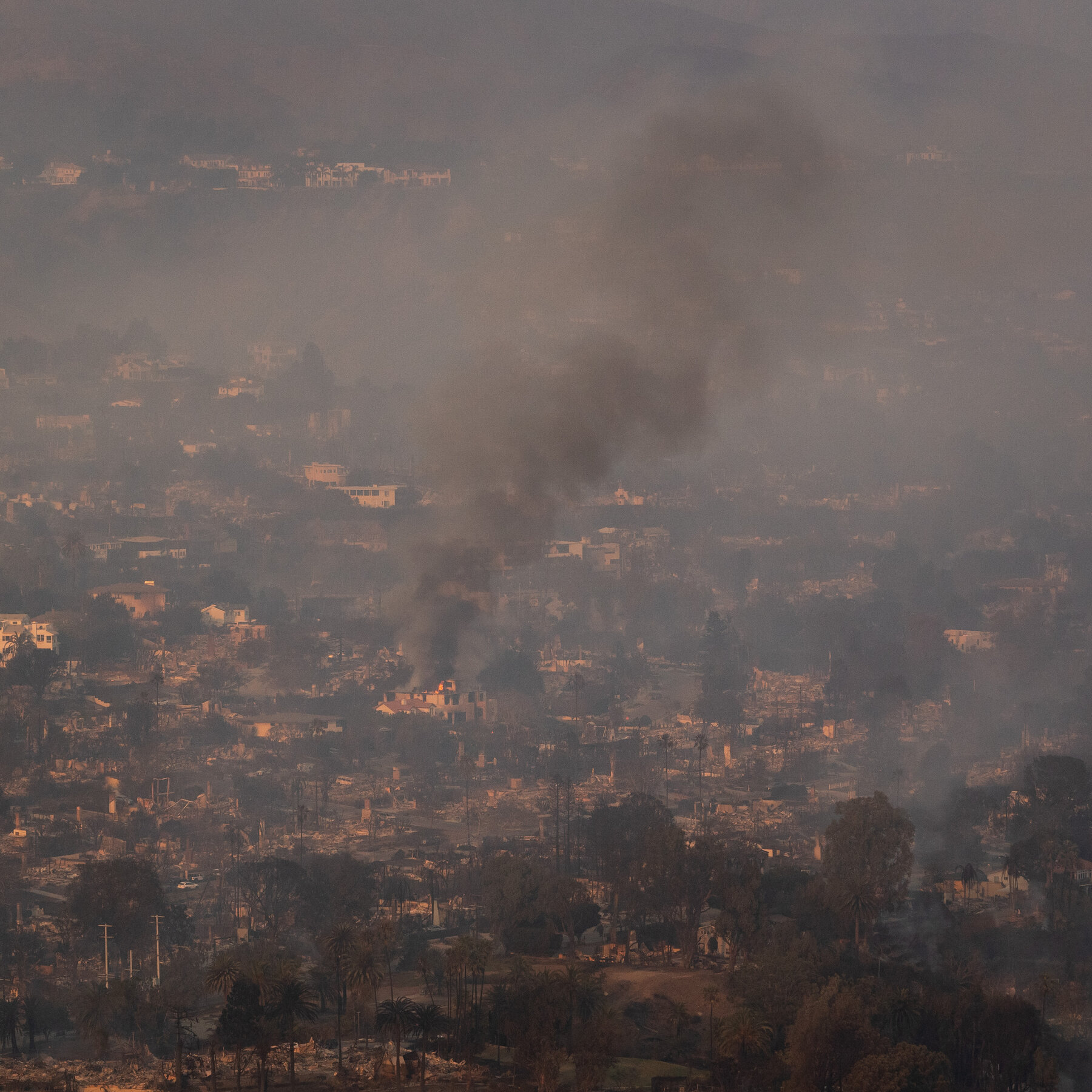
  1. 2025 Wildfires Were the Costliest Ever, Researchers Say
    #1 Score 67
    2025 Wildfires Were the Costliest Ever, Researchers Say

    Severe, hard-to-control blazes in densely populated areas like Los Angeles drove the year’s record losses.

    NYT Science 3 hours ago
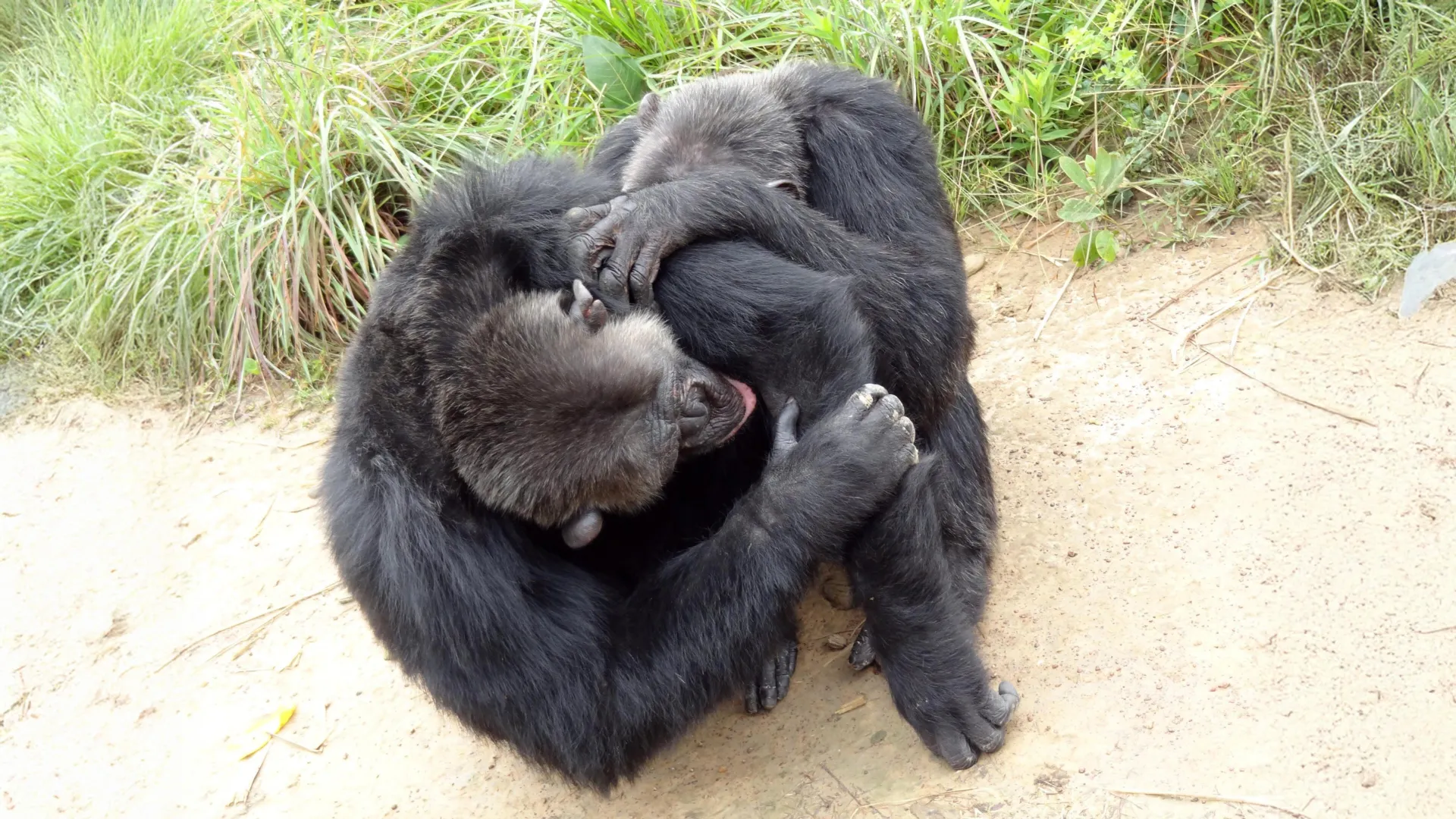
  2. Chimpanzees and bonobos have human-like friend circles, study finds
    #2 Score 44
    Chimpanzees and bonobos have human-like friend circles, study finds

    Great apes appear to build friendships much like humans do. By studying grooming behavior, researchers discovered that chimpanzees and bonobos form close inner circles along with wider networks of weaker social connections. Chimpanzees focus on a few trusted partners and become more selective with age, while bonobos maintain a more egalitarian social style.

    ScienceDaily 11 hours ago
  3. #3 Score 42
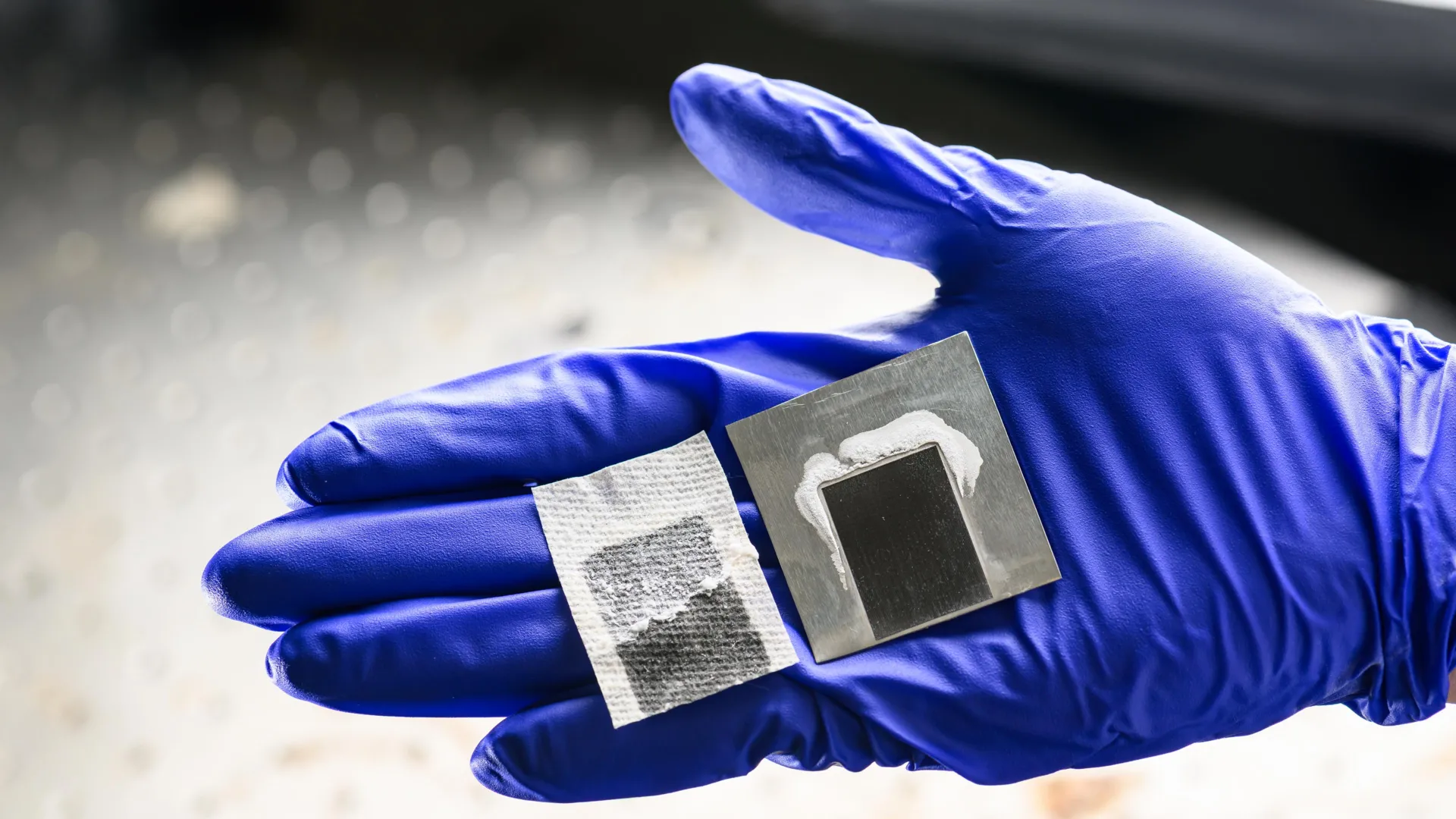
    New solar desalination breakthrough makes fresh water without toxic brine

    Scientists have developed a solar desalination system that turns seawater into drinking water without creating environmentally damaging brine. Special laser-textured metal panels use sunlight to evaporate water while automatically moving salt deposits away from the working surface, preventing clogging. The process was successfully tested with water from three oceans and can recover nearly all salts as solids. Those leftover materials could even become a source of valuable lithium for batteries.

    ScienceDaily 11 hours ago
  4. #4 Score 35
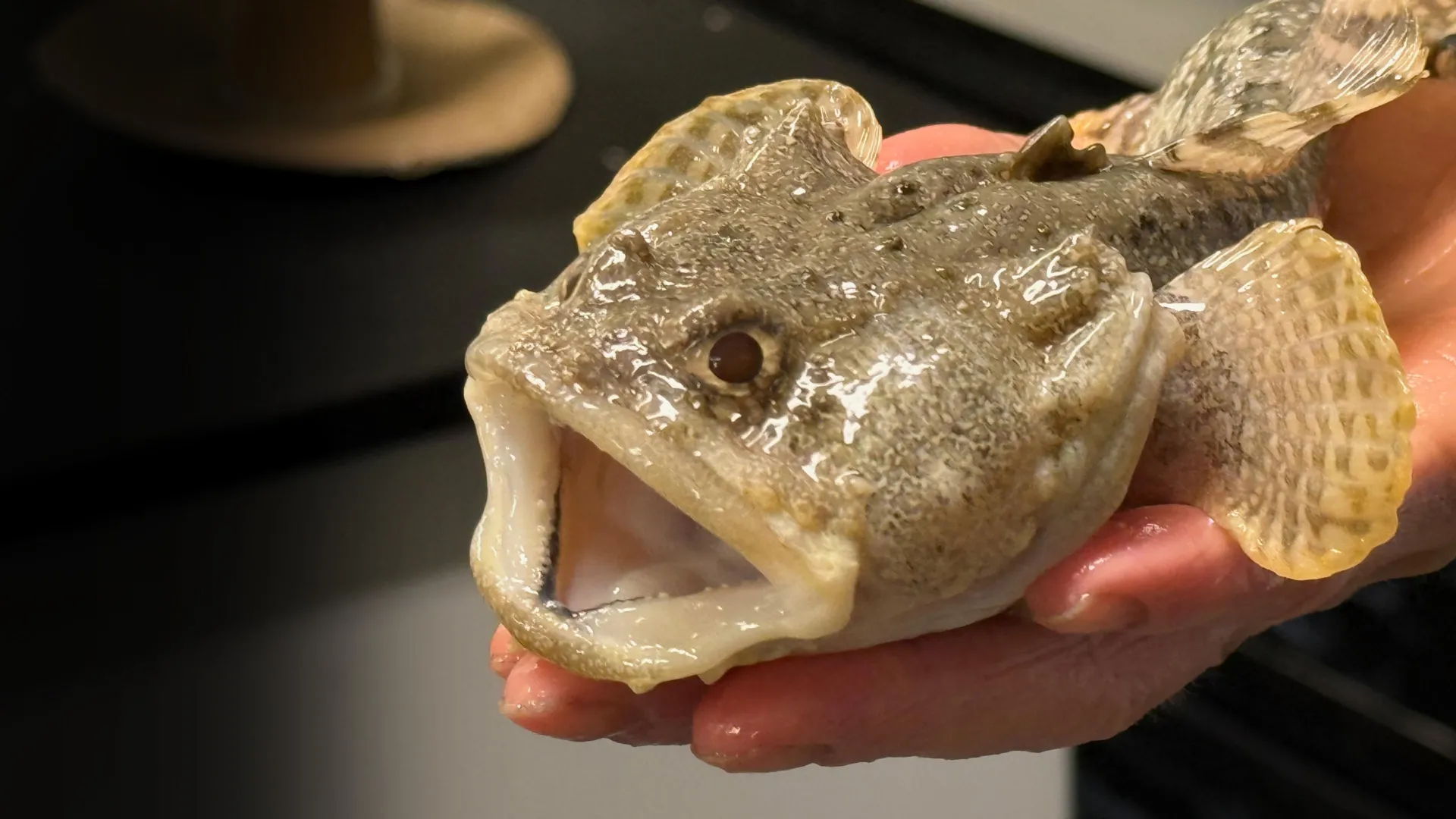
    The ocean's health may depend on a tiny microbe inside fish

    A surprising new discovery suggests that tiny microbes living inside fish may be helping shape the chemistry of the world’s oceans. Scientists found evidence that bacteria in the guts of marine fish work alongside their hosts to produce calcium carbonate, a mineral that plays an important role in ocean health and carbon storage. For years, researchers believed fish handled this process on their own, but the new findings point to a hidden partnership between fish and microbes.

    ScienceDaily 14 hours ago
  5. #5 Score 34
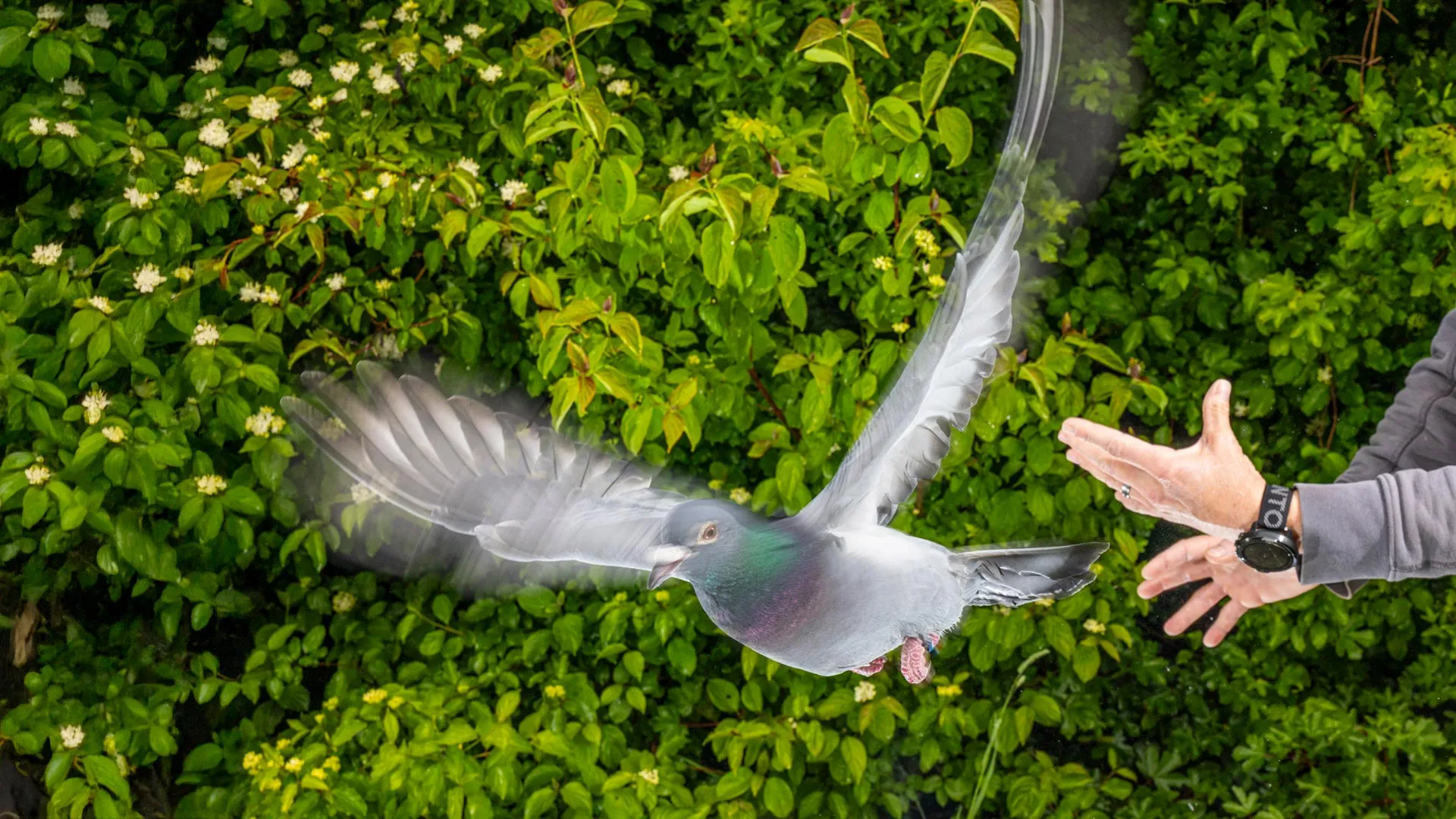
    The secret to pigeons’ incredible navigation was hiding in their liver

    Scientists have uncovered a surprising navigation system in pigeons: iron-filled immune cells in the liver that may act like tiny magnetic sensors. Birds deprived of these cells struggled to find their way home under overcast skies, indicating they rely on Earth’s magnetic field for guidance. The discovery could solve a decades-old mystery about animal navigation and reveal an unexpected connection between immunity and sensing the environment.

    ScienceDaily 14 hours ago