
Daily Snapshot

Science headlines for Saturday, May 23, 2026

Science headlines for 2026-05-23 focused on 3 major developments: 1) How to Stay Safe Around Jellyfish This Beach Season (NYT Science) 2) SpaceX Completes Mostly Successful Starship Rocket Flight (NYT Science) 3) Scientists discover the perfect temperature to keep mangoes fresh much longer (ScienceDaily) Across these stories, coverage emphasized high-impact updates, policy shifts, and events with broad audience relevance. Together they provide a representative view of the day in science news before diving into each full report.

Why it matters: This snapshot shows where science attention concentrated on 2026-05-23, highlighting the themes, entities, and geographies that dominated publisher coverage. Because ranking blends freshness, engagement, and source diversity, it helps separate signal from noise. Use it as a quick daily briefing and then open the top stories for fuller context.

Key Points

3 highlights
  1. How to Stay Safe Around Jellyfish This Beach Season

    Sources: #1 NYT Science
  2. SpaceX Completes Mostly Successful Starship Rocket Flight

    Sources: #2 NYT Science
  3. Scientists discover the perfect temperature to keep mangoes fresh much longer

    Sources: #3 ScienceDaily

Top 10 Stories

Ranked by daily score
  1. How to Stay Safe Around Jellyfish This Beach Season
    #1 Score 58
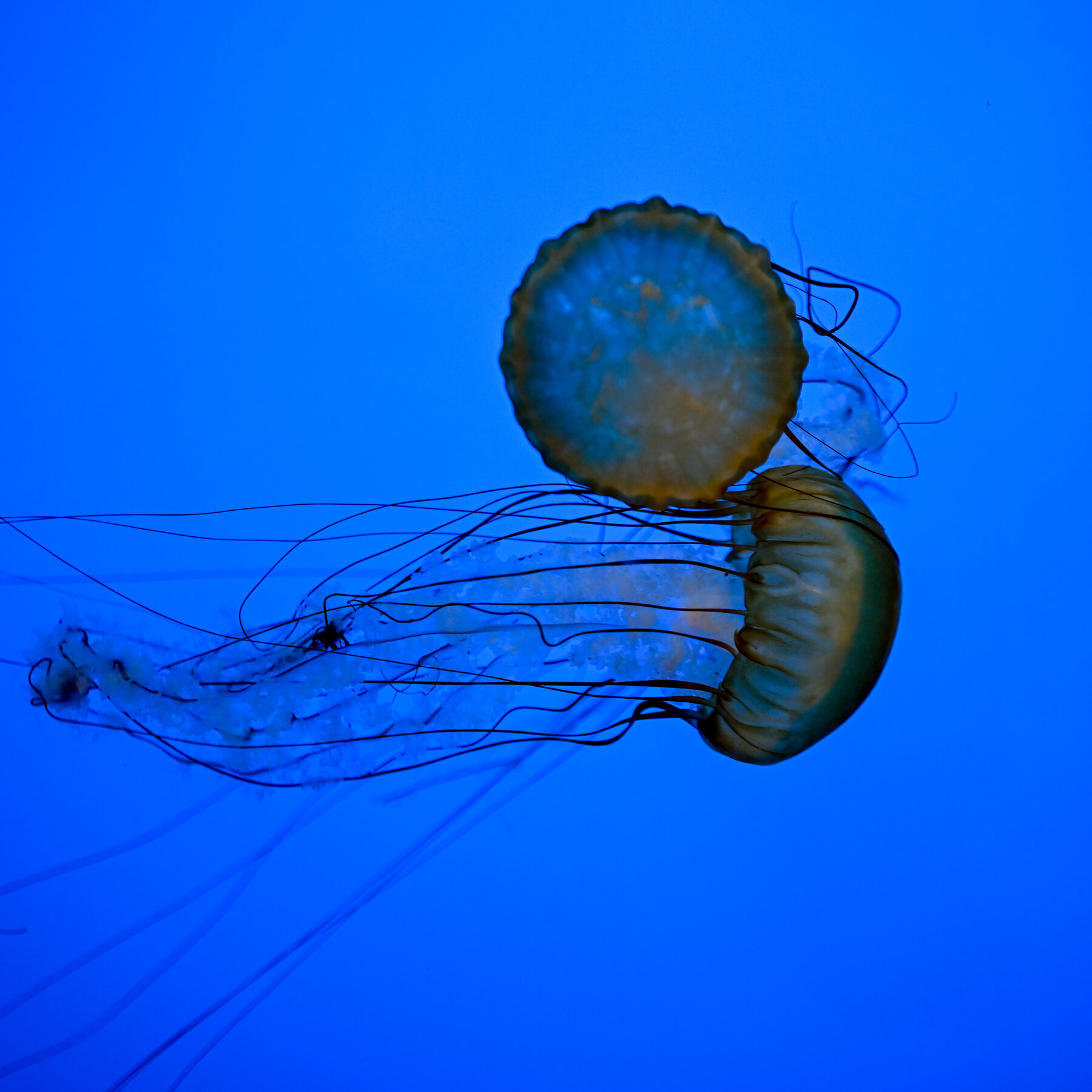
    How to Stay Safe Around Jellyfish This Beach Season

    Jellyfish myths and misconceptions abound. Here’s how to stay safe this beach season around these gelatinous wonders.

    NYT Science 5 hours ago
  2. SpaceX Completes Mostly Successful Starship Rocket Flight
    #2 Score 51
    SpaceX Completes Mostly Successful Starship Rocket Flight

    The 12th test flight of SpaceX’s gargantuan rocket launched on Friday evening and ended its journey in the Indian Ocean just over an hour later.

    NYT Science 7 hours ago
  3. #3 Score 41
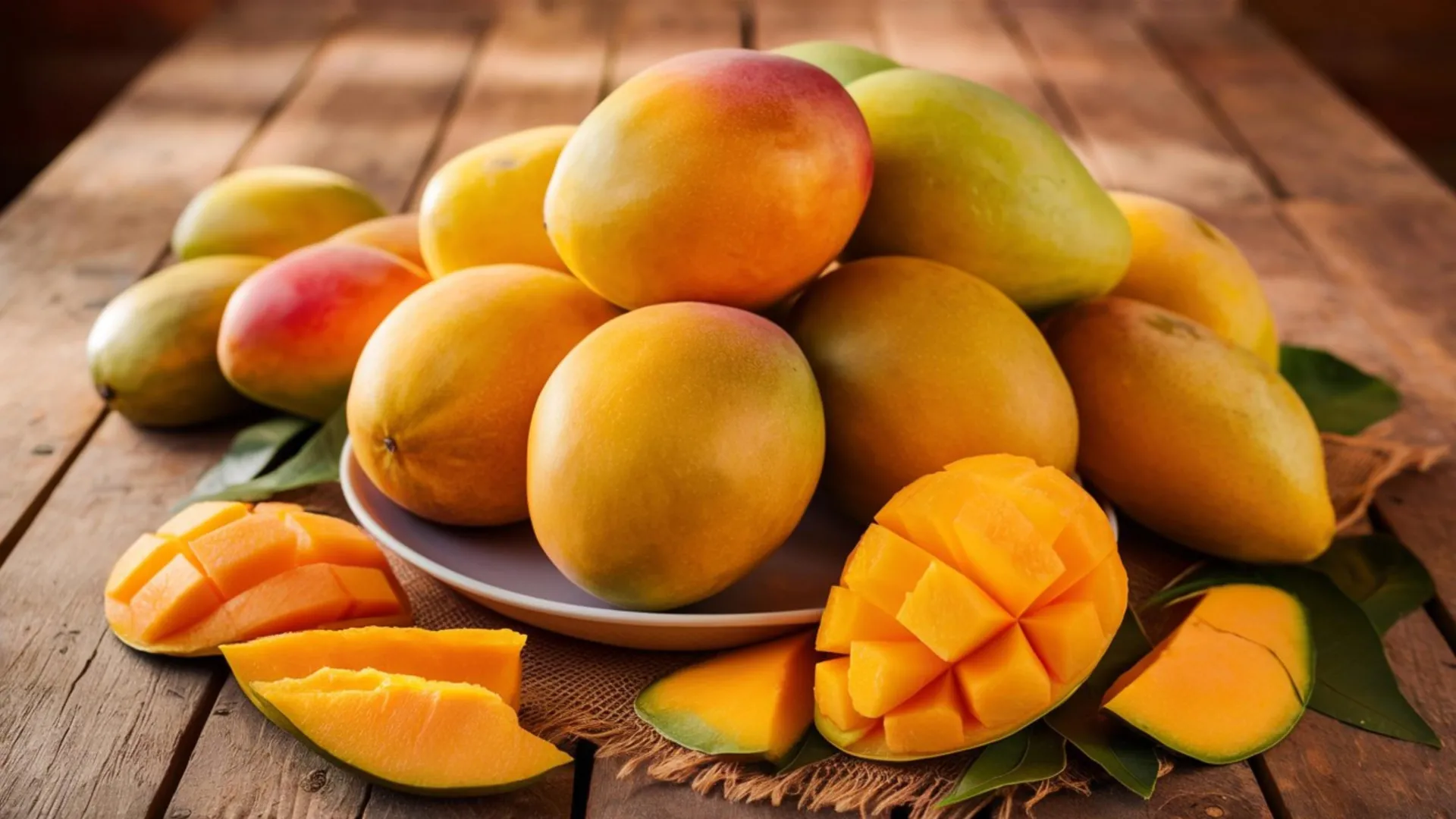
    Scientists discover the perfect temperature to keep mangoes fresh much longer

    Scientists found that storing mangoes at 54°F dramatically slows ripening and keeps the fruit fresh far longer than typical tropical temperatures. The cooler conditions helped mangoes stay firm, retain moisture, and preserve important antioxidants while reducing cellular damage. Researchers also uncovered the internal defense systems that switch on during cold storage, protecting the fruit from stress and decay.

    ScienceDaily 11 hours ago
  4. #4 Score 37
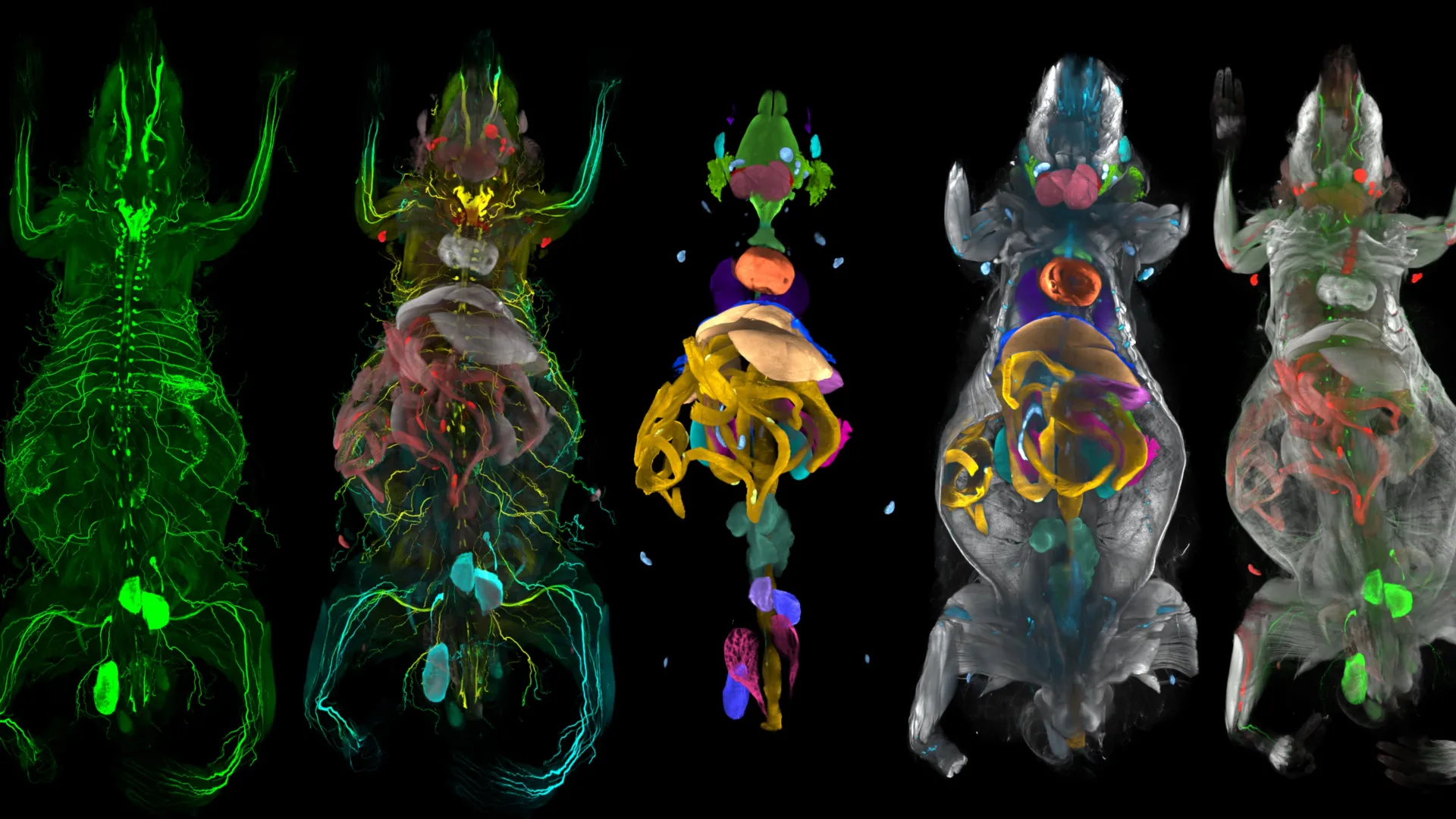
    New AI body map reveals obesity’s hidden attack on facial nerves

    Scientists have created an AI-powered system that can scan and map an entire mouse body in extraordinary detail — and it just uncovered a surprising new effect of obesity. Beyond disrupting metabolism, obesity appears to damage facial sensory nerves linked to touch and sensation, while also triggering widespread inflammation across the body.

    ScienceDaily 12 hours ago
  5. #5 Score 36
    NASA’s Psyche spacecraft captures stunning Mars images during high-speed flyby

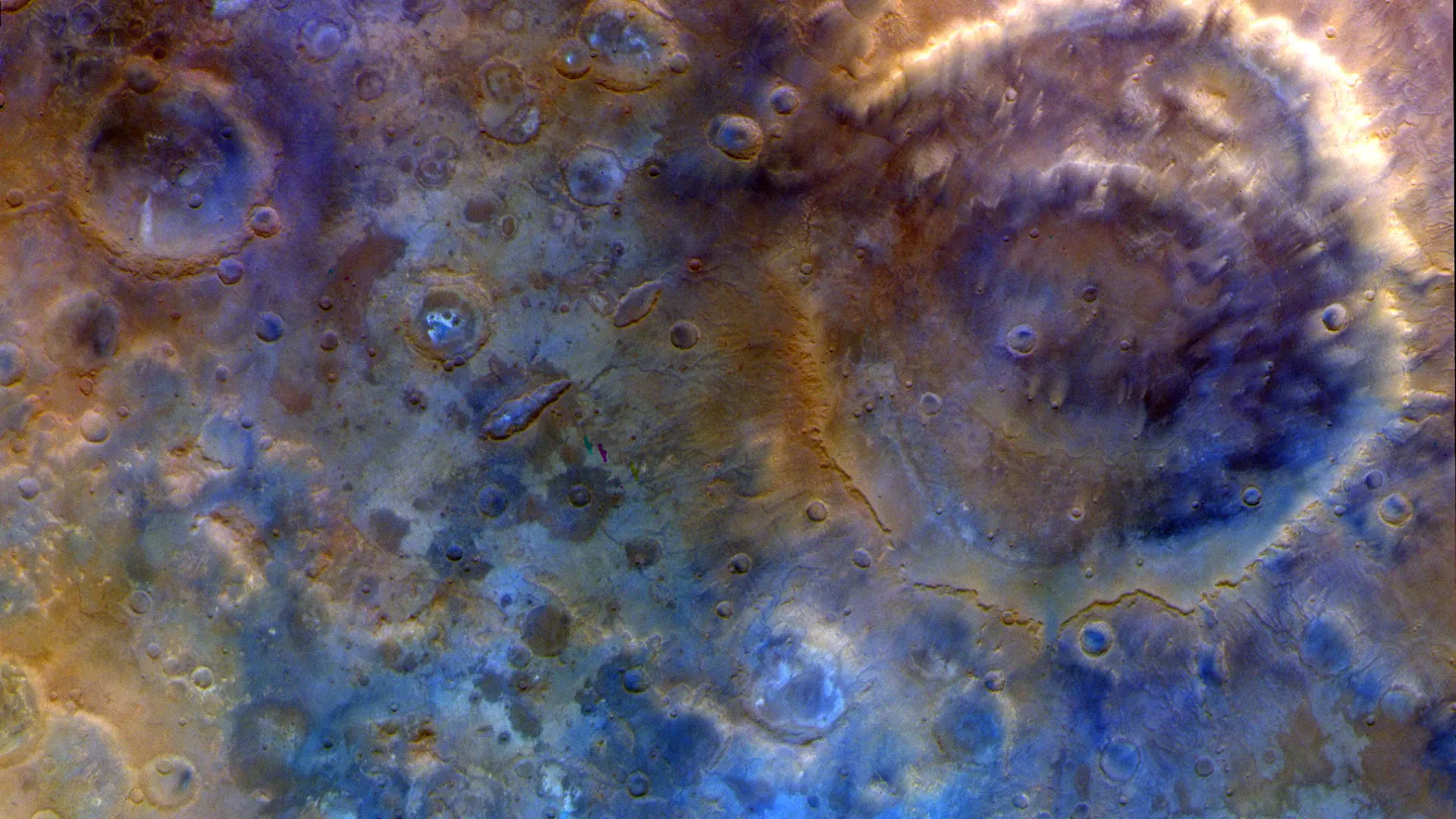
    NASA’s Psyche spacecraft skimmed past Mars in a precision flyby that helped catapult it deeper into space toward its ultimate target: the bizarre metal-rich asteroid Psyche. During the encounter, it snapped detailed images of heavily cratered Martian terrain, including the striking double-ring Huygens crater. The flyby gave the spacecraft a critical gravity boost without using extra fuel.

    ScienceDaily 12 hours ago
  6. #6 Score 36
    NASA stunned as strange solar radio burst lasts 19 days

    NASA scientists were stunned when a strange radio signal from the Sun refused to fade away. Instead of lasting a few hours or days like normal solar radio bursts, this one persisted for an astonishing 19 days — shattering the previous record. Using a fleet of spacecraft spread across the solar system, researchers tracked the mysterious signal to a massive magnetic structure on the Sun called a helmet streamer.

    ScienceDaily 13 hours ago
  7. #7 Score 32
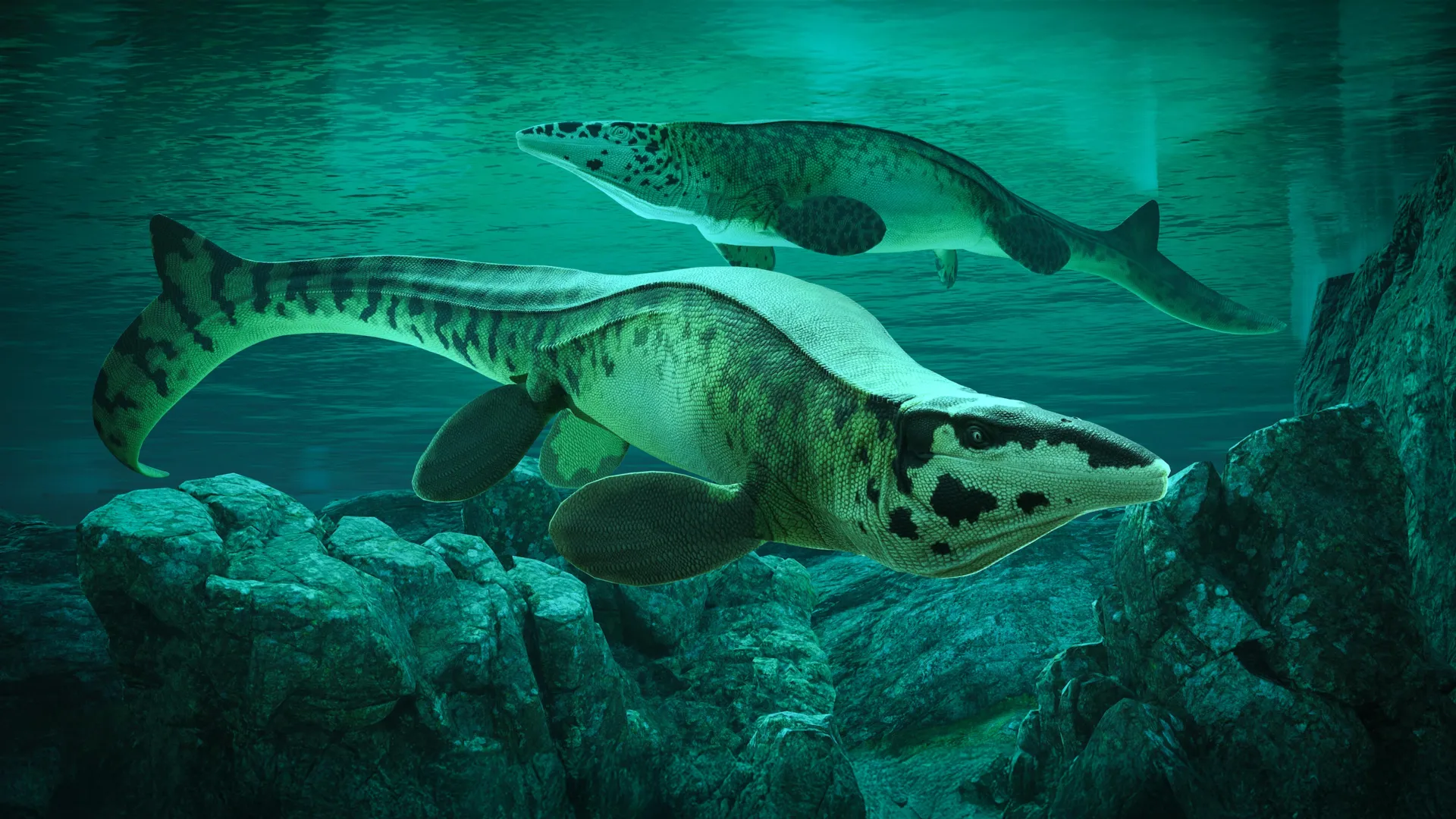
    Scientists discover giant sea predator Tylosaurus rex that terrorized ancient oceans

    A colossal new sea predator named Tylosaurus rex has been identified from fossils found in Texas, revealing a brutal 43-foot-long hunter that ruled ancient oceans 80 million years ago. The discovery not only introduces one of the biggest mosasaurs ever known, but also shakes up long-standing ideas about how these marine reptiles evolved.

    ScienceDaily 14 hours ago
  8. 5 Takeaways From a Times Investigation on Autism Therapy Clinics
    #8 Score 27
    5 Takeaways From a Times Investigation on Autism Therapy Clinics

    A rapidly growing industry often overprescribes treatment to young children with autism, who spend as many as 40 hours a week at the facilities.

    NYT Science 16 hours ago
  9. Short Naps, Long Hours: How Autism Clinics Squeeze Medicaid Dollars Out of Preschoolers
    #9 Score 27
    Short Naps, Long Hours: How Autism Clinics Squeeze Medicaid Dollars Out of Preschoolers

    The industry has grown rapidly, straining state budgets. A focus on finances has led to overbilling, fraud and even harm.

    NYT Science 16 hours ago