Daily Snapshot

Science headlines for Monday, April 27, 2026

Science headlines for 2026-04-27 focused on 3 major developments: 1) 60 Countries to Meet on Phasing Out Fossil Fuels but Are Excluding the U.S. (NYT Science) 2) NASA’s X-59 Gets Freedom 250 Logo (NASA Breaking News) 3) A New Bureau Will Oversee Both Offshore Drilling and Seabed Mining (NYT Science) Across these stories, coverage emphasized high-impact updates, policy shifts, and events with broad audience relevance. Together they provide a representative view of the day in science news before diving into each full report.

Why it matters: This snapshot shows where science attention concentrated on 2026-04-27, highlighting the themes, entities, and geographies that dominated publisher coverage. Because ranking blends freshness, engagement, and source diversity, it helps separate signal from noise. Use it as a quick daily briefing and then open the top stories for fuller context.

Key Points

3 highlights
  1. 60 Countries to Meet on Phasing Out Fossil Fuels but Are Excluding the U.S.

    Sources: #1 NYT Science
  2. NASA’s X-59 Gets Freedom 250 Logo

    Sources: #2 NASA Breaking News
  3. A New Bureau Will Oversee Both Offshore Drilling and Seabed Mining

    Sources: #3 NYT Science

Top 10 Stories

Ranked by daily score
  1. 60 Countries to Meet on Phasing Out Fossil Fuels but Are Excluding the U.S.
    #1 Score 69
    60 Countries to Meet on Phasing Out Fossil Fuels but Are Excluding the U.S.

    The Trump administration was not invited to the gathering in Santa Marta, Colombia. A White House spokeswoman called the green transition “destructive.”

    NYT Science 7 hours ago
  2. NASA’s X-59 Gets Freedom 250 Logo
    #2 Score 67
    NASA’s X-59 Gets Freedom 250 Logo

    NASA’s X-59 is helping the nation celebrate the 250th anniversary of its independence with an update to its livery – its official paint job and insignia. The one-of-a-kind research aircraft is the centerpiece of NASA’s Quesst mission to demonstrate technology to fly supersonic, or faster than the speed of sound, without generating loud sonic booms. […]

    NASA Breaking News 7 hours ago
  3. A New Bureau Will Oversee Both Offshore Drilling and Seabed Mining
    #3 Score 57
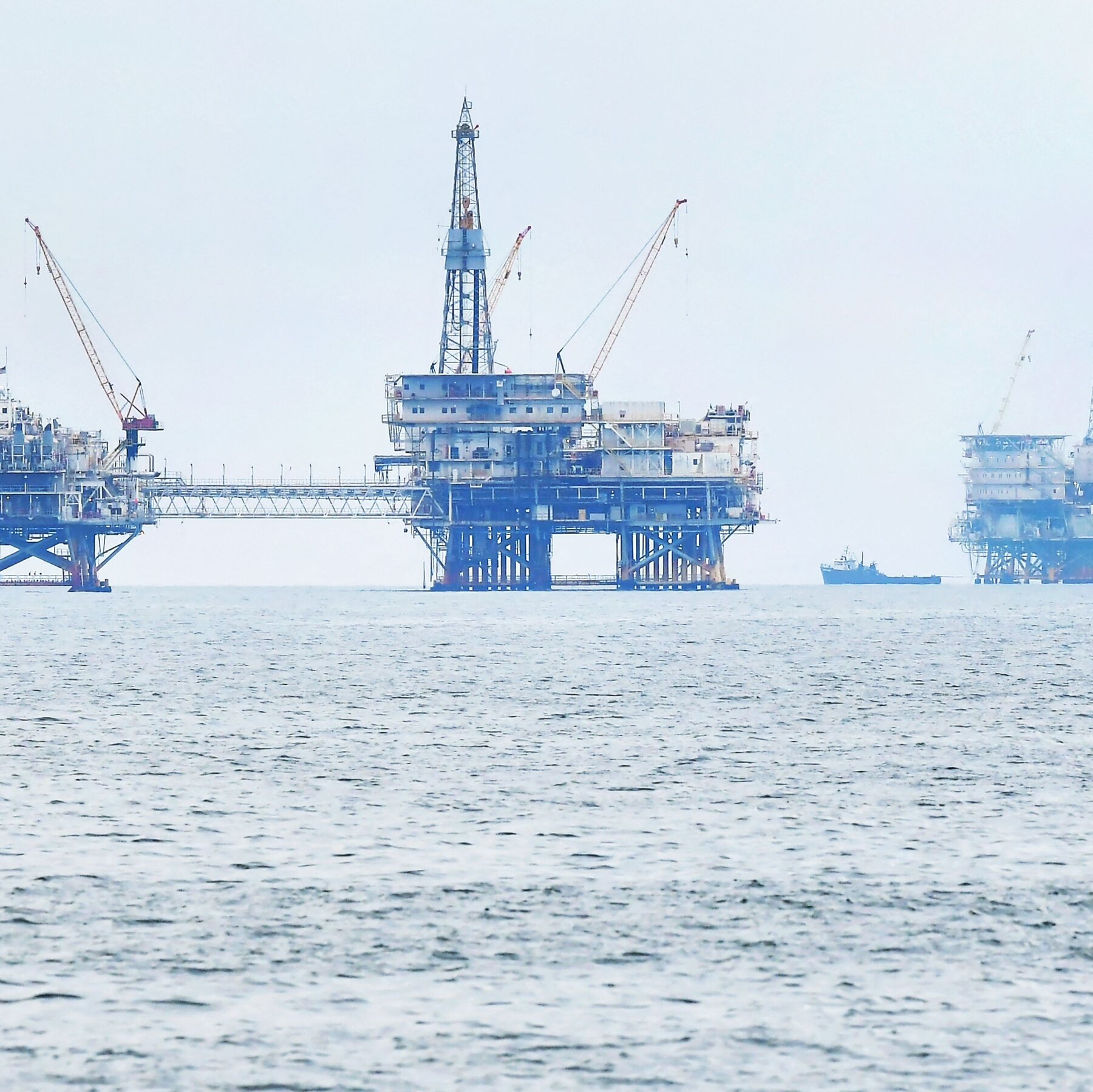
    A New Bureau Will Oversee Both Offshore Drilling and Seabed Mining

    The new federal office will undo a change made after the 2010 Deepwater Horizon oil disaster. Critics say it could reduce environmental oversight.

    NYT Science 9 hours ago
  4. #4 Score 54
    Scientists finally solve mystery of strange “golden orb” found 2 miles deep

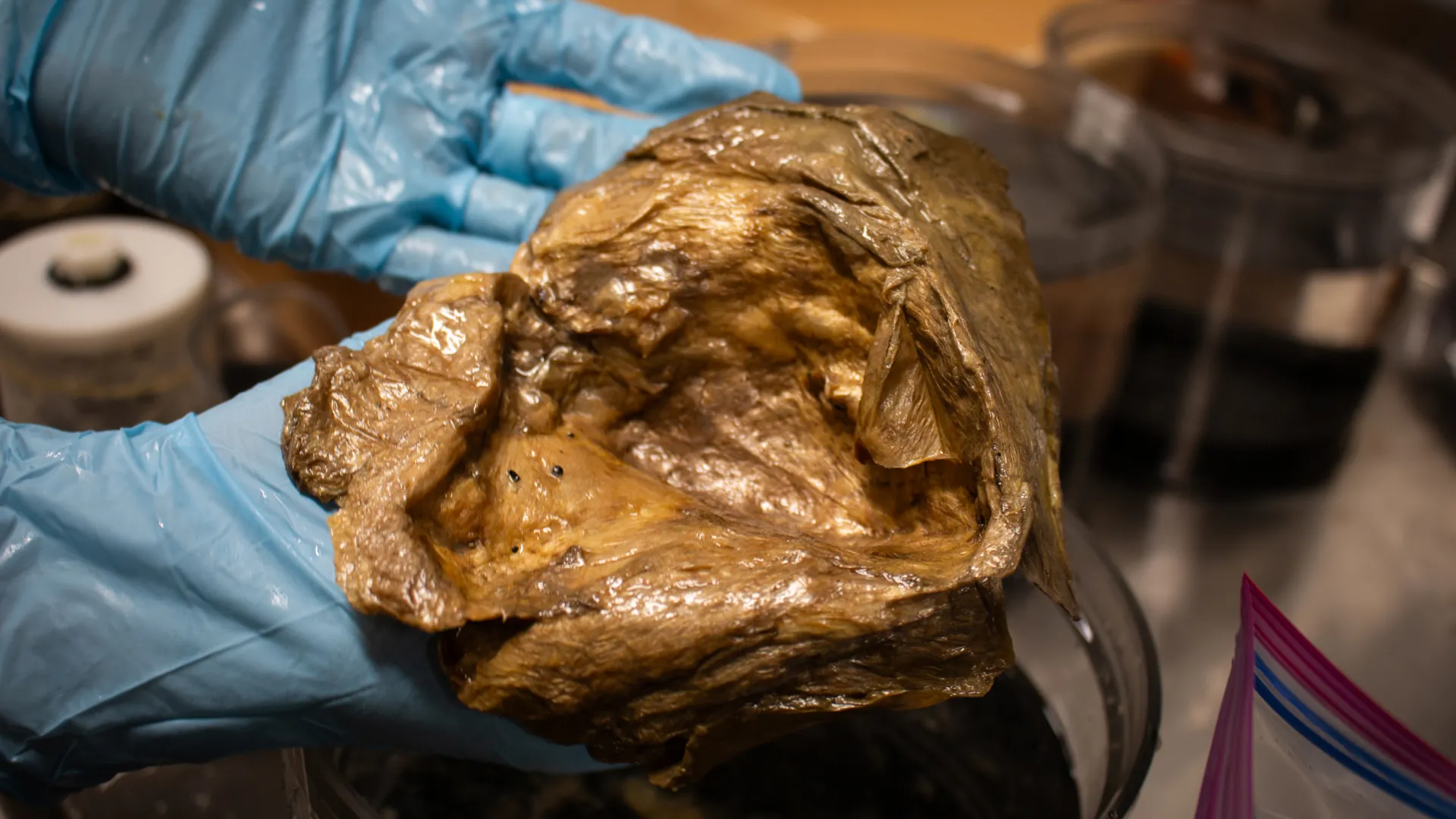
    A mysterious “golden orb” found more than two miles deep in the Gulf of Alaska left scientists baffled for over two years, sparking wild speculation about its origins. After an intensive investigation combining deep-sea expertise, microscopic analysis, and advanced DNA sequencing, researchers finally cracked the case. The strange object turned out not to be an egg, sponge, or anything alien, but the remains of tissue from a giant deep-sea anemone.

    ScienceDaily 12 hours ago
  5. NASA’s Perseverance, Curiosity Panoramas Capture Two Sides of Mars
    #5 Score 53
    NASA’s Perseverance, Curiosity Panoramas Capture Two Sides of Mars

    NASA’s Curiosity and Perseverance rovers have captured two 360-degree landscapes that highlight how the missions are revealing details of the Red Planet’s formation, watery past, and potential for life. Located 2,345 miles (3,775 kilometers) apart from each other on Mars — about the distance from Los Angeles to Washington, D.C. — both rovers are exploring […]

    NASA Breaking News 10 hours ago
  6. #6 Score 47
    This tiny mammal survived the dinosaur apocalypse and changed life on Earth

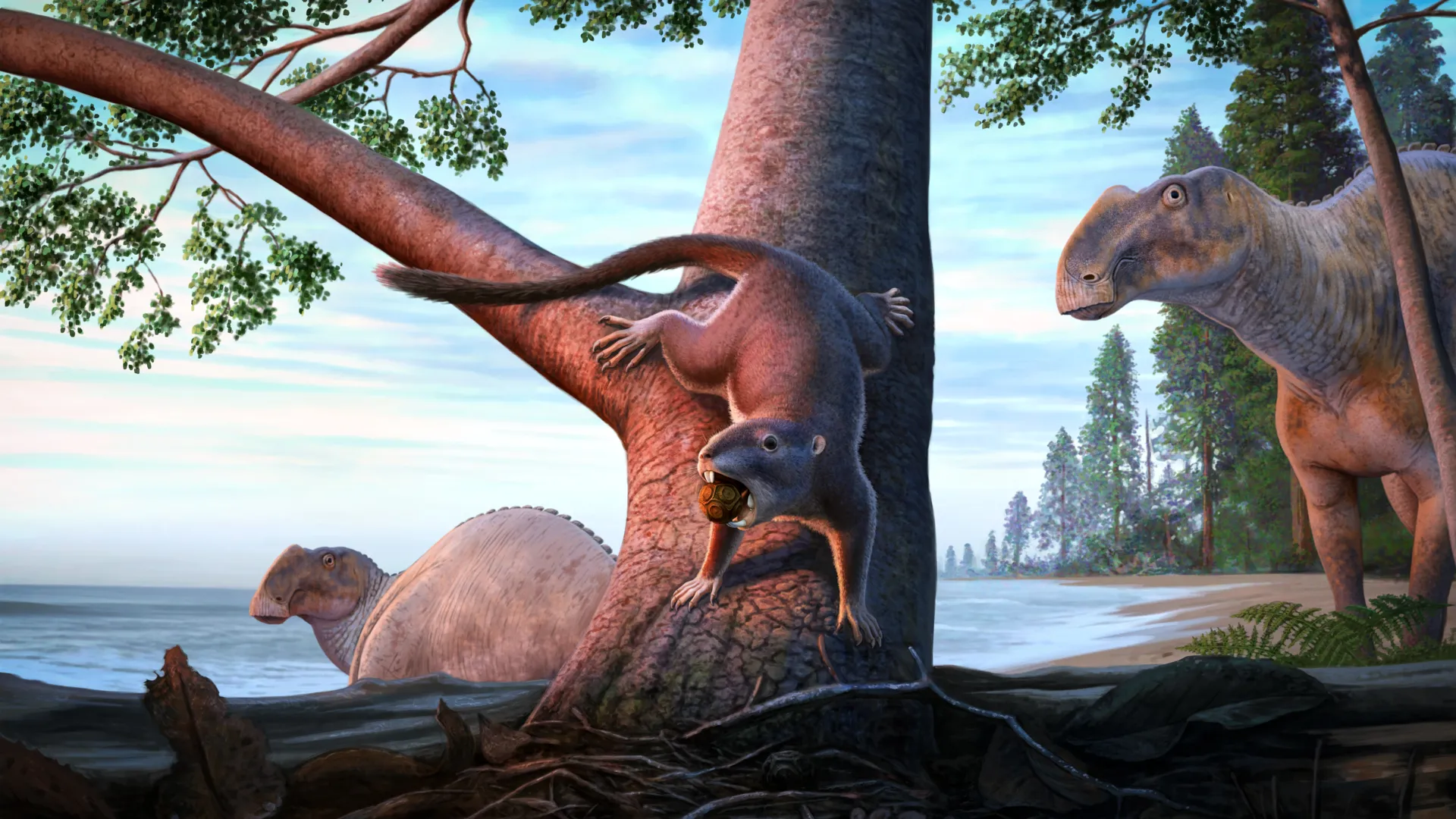
    A newly discovered prehistoric mammal may hold clues to how life survived the dinosaur-killing extinction. The tiny species, Cimolodon desosai, lived 75 million years ago and had traits—like a small body and varied diet—that likely boosted survival odds. Found in Baja California, the fossil includes rare skeletal remains that reveal how it moved and lived. Researchers believe its lineage helped mammals endure one of Earth’s deadliest events.

    ScienceDaily 12 hours ago
  7. You Can Help Humans Thrive in Space
    #7 Score 43
    You Can Help Humans Thrive in Space

    The second Artemis mission took four astronauts around the moon and back – the first crewed deep-space flight since 1972. Not everyone gets a chance to put on a space suit, but you can still be an important part of NASA’s human space exploration story by doing NASA science!

    NASA Breaking News 11 hours ago
  8. Volunteers Help NASA Astronauts Record Lunar Flashes
    #8 Score 38
    Volunteers Help NASA Astronauts Record Lunar Flashes

    As NASA’s Artemis II astronauts zipped around the Moon in early April, they observed flashes of light caused by meteoroids hitting the lunar surface. At the same time, volunteers for the NASA-funded Impact Flash project scanned the Moon with their own telescopes and sent their videos to scientists to share what they saw from Earth.

    NASA Breaking News 12 hours ago
  9. Students build a “cosmic radio” to listen for dark matter
    #9 Score 36
    Students build a “cosmic radio” to listen for dark matter

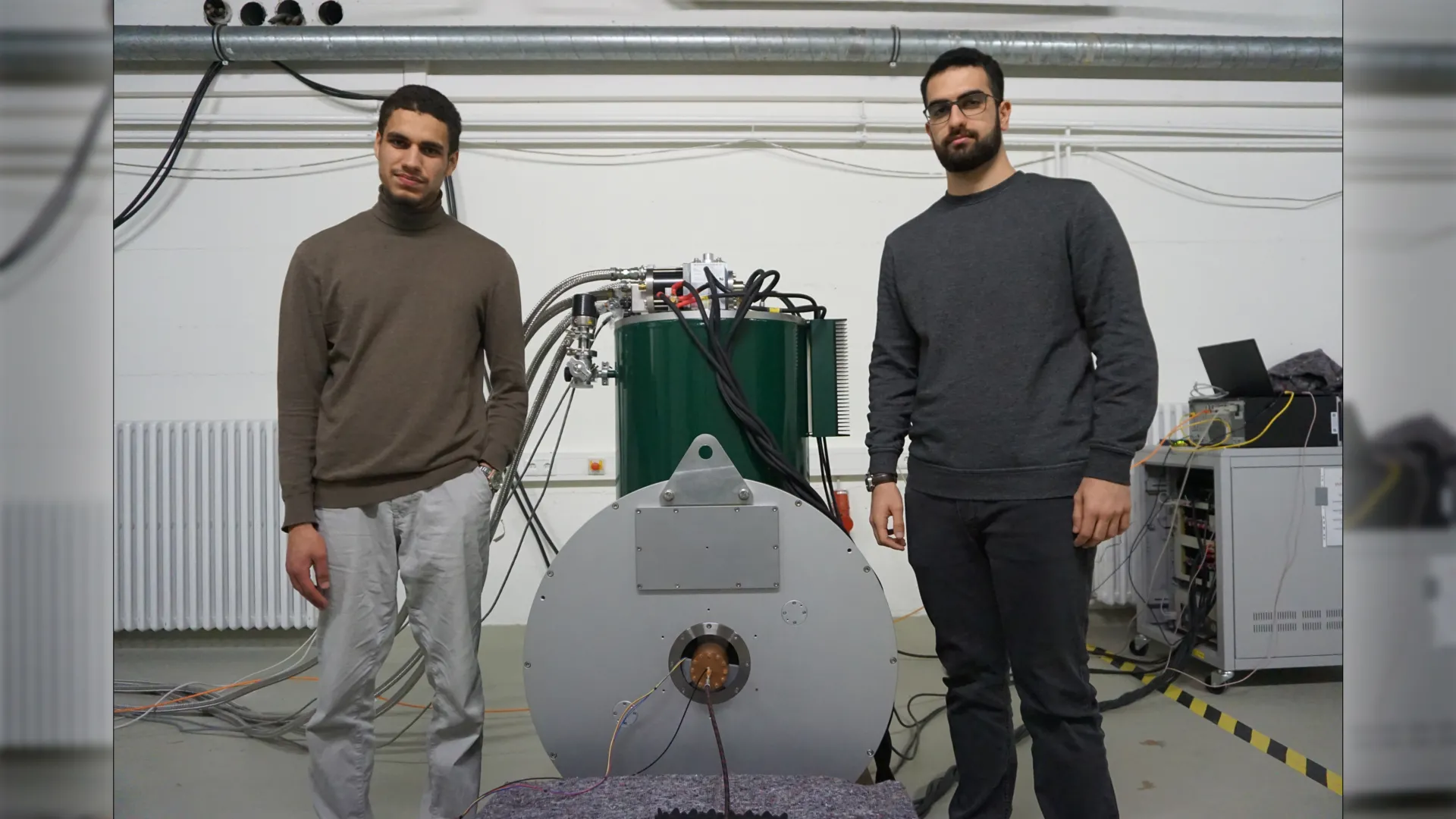
    A group of undergraduate students pulled off something remarkable: they built their own dark matter detector and used it to probe one of physics’ biggest mysteries. Working with limited resources but plenty of creativity, they designed a stripped-down experiment to hunt for axions — hypothetical particles that could make up dark matter.

    ScienceDaily 13 hours ago
  10. #10 Score 33
    Scientists just captured a mysterious quantum “dance” inside superconductors

    In a breakthrough experiment, scientists directly imaged how particles pair up in a system that mimics superconductors. Instead of behaving independently, the pairs moved in a synchronized, dance-like pattern—something never predicted before. This suggests a major gap in the classic theory of superconductivity.

    ScienceDaily 14 hours ago