
Daily Snapshot

Science headlines for Sunday, April 12, 2026

Science headlines for 2026-04-12 focused on 3 major developments: 1) NASA’s Artemis II Astronauts Reunite With Friends and Family After 10-Day Moon Mission (NYT Science) 2) Highlights From NASA’s Artemis II Moon Mission Splashdown (NYT Science) 3) Neandertals may have hunted and eaten outsiders, chilling cannibalism study finds (ScienceDaily) Across these stories, coverage emphasized high-impact updates, policy shifts, and events with broad audience relevance. Together they provide a representative view of the day in science news before diving into each full report.

Why it matters: This snapshot shows where science attention concentrated on 2026-04-12, highlighting the themes, entities, and geographies that dominated publisher coverage. Because ranking blends freshness, engagement, and source diversity, it helps separate signal from noise. Use it as a quick daily briefing and then open the top stories for fuller context.
Key Points

3 highlights
  1. NASA’s Artemis II Astronauts Reunite With Friends and Family After 10-Day Moon Mission

    Sources: #1 NYT Science
  2. Highlights From NASA’s Artemis II Moon Mission Splashdown

    Sources: #2 NYT Science
  3. Neandertals may have hunted and eaten outsiders, chilling cannibalism study finds

    Sources: #3 ScienceDaily

Top 10 Stories

Ranked by daily score
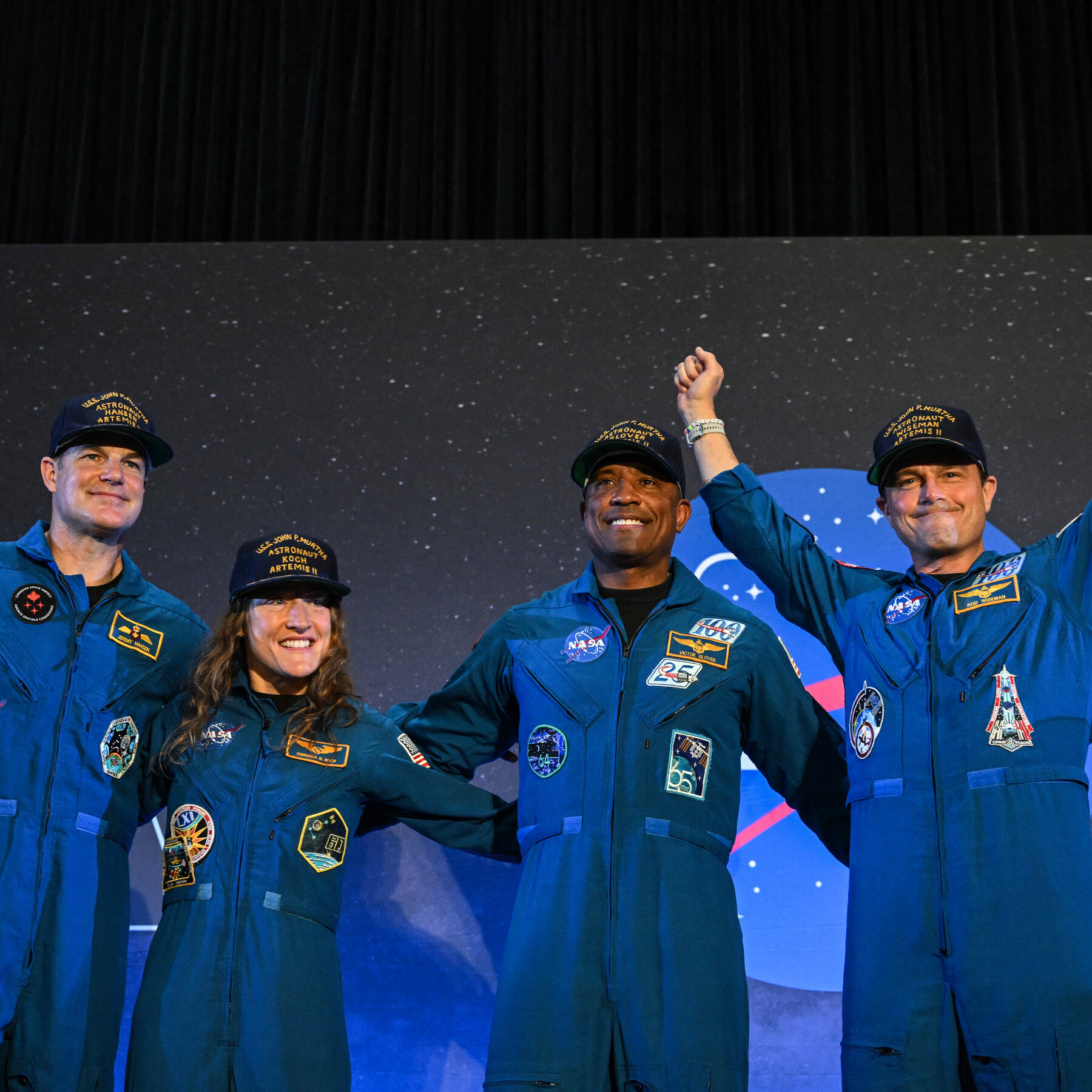
  1. NASA’s Artemis II Astronauts Reunite With Friends and Family After 10-Day Moon Mission
    #1 Score 59
    NASA’s Artemis II Astronauts Reunite With Friends and Family After 10-Day Moon Mission

    The four astronauts made an emotional return to Houston a day after splashing down in the Pacific Ocean at the end of their 10-day lunar journey.

    NYT Science 6 hours ago
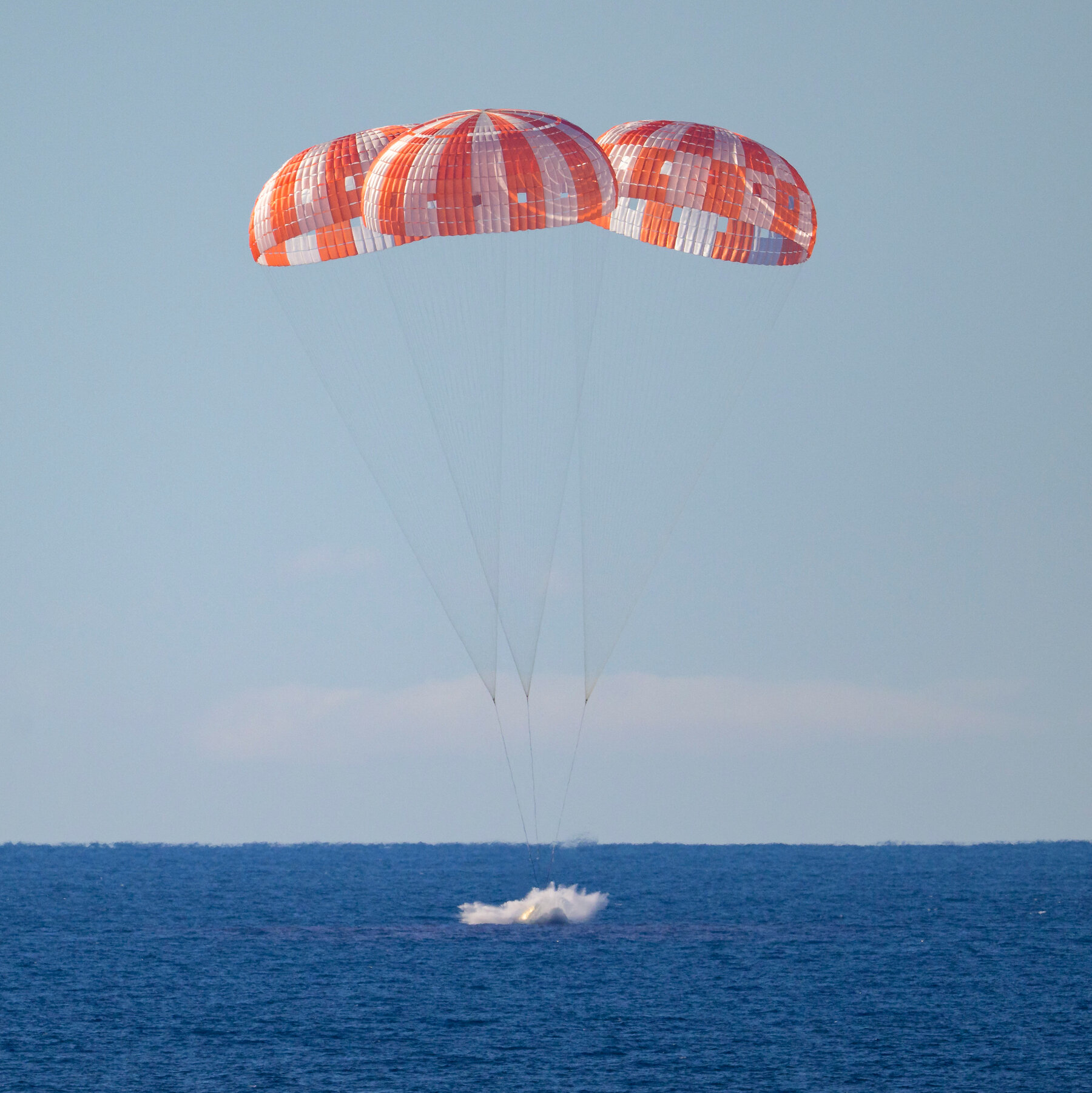
  2. Highlights From NASA’s Artemis II Moon Mission Splashdown
    #2 Score 58
    Highlights From NASA’s Artemis II Moon Mission Splashdown

    The crew of three Americans and one Canadian are to return to Houston on Saturday after concluding a journey that sent humans around the moon for the first time since 1972.

    NYT Science 6 hours ago
  3. #3 Score 35
    Neandertals may have hunted and eaten outsiders, chilling cannibalism study finds

    A cave in Belgium has revealed unsettling evidence that Neandertals selectively cannibalized outsiders, focusing on women and children. The victims weren’t from the local group and appear to have been treated like prey, with bones butchered for meat and marrow. This suggests the behavior wasn’t ritual, but practical—or possibly linked to intergroup conflict. The discovery paints a darker, more complex picture of Neandertal life during their final millennia.

    ScienceDaily 14 hours ago
  4. #4 Score 34
    110,000-year-old discovery rewrites human history: Neanderthals and Homo sapiens worked together

    The first-ever published research on Tinshemet Cave reveals that Neanderthals and Homo sapiens in the mid-Middle Paleolithic Levant not only coexisted but actively interacted, sharing technology, lifestyles, and burial customs. These interactions fostered cultural exchange, social complexity, and behavioral innovations, such as formal burial practices and the symbolic use of ochre for decoration. The findings suggest that human connections, rather than isolation, were key drivers of technological and cultural advancements, highlighting the Levant as a crucial crossroads in early human history.

    ScienceDaily 14 hours ago
  5. #5 Score 21
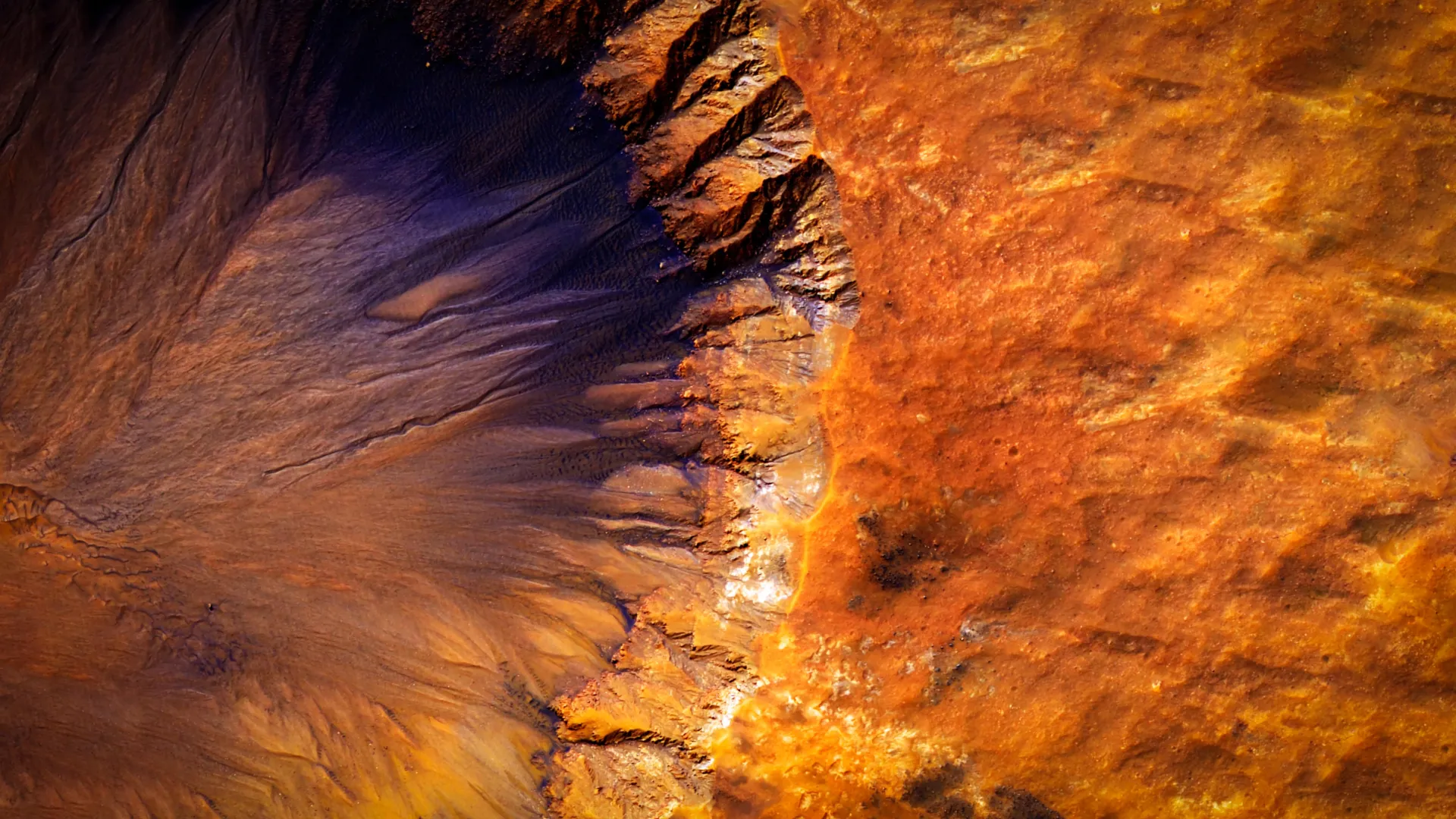
    Life on Mars? Tiny cells just survived shock waves and toxic soil

    Mars may be hostile, but it might not be entirely unlivable. In lab experiments, yeast cells survived simulated Martian shock waves and toxic perchlorate salts—two major environmental threats on the Red Planet. Their secret weapon was forming protective molecular clusters that shield critical cellular functions under stress. Without these defenses, survival plummeted, pointing to a potential universal strategy life could use beyond Earth.

    ScienceDaily 19 hours ago
  6. #6 Score 20
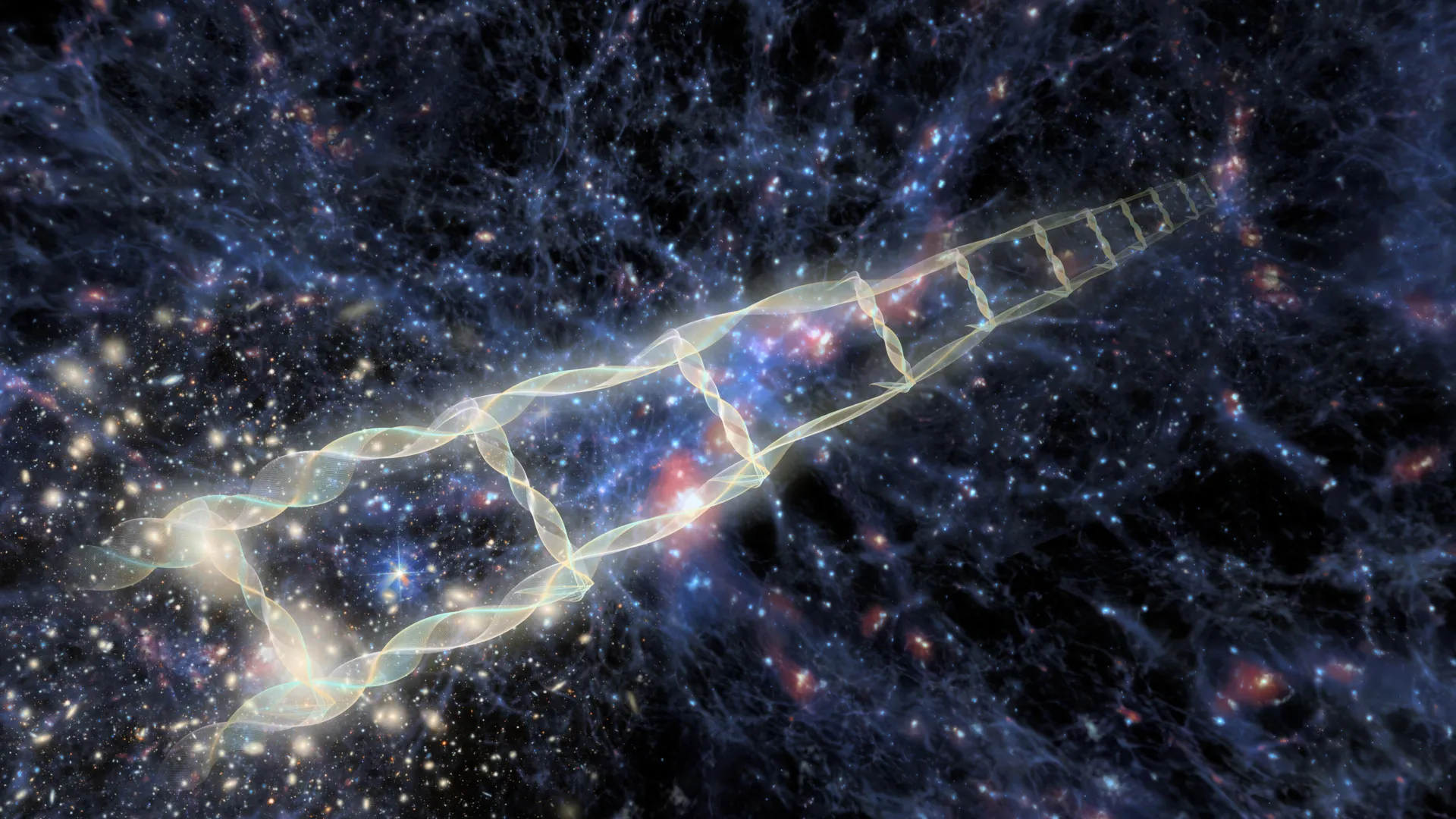
    The Universe is expanding too fast and scientists still can’t explain it

    A major international effort has produced an ultra-precise measurement of the Universe’s expansion rate, confirming it’s faster than early-Universe models predict. By linking multiple distance-measuring techniques, scientists ruled out simple errors as the cause of the discrepancy. The persistent “Hubble tension” now looks more real than ever. It could mean our current model of the cosmos is incomplete.

    ScienceDaily 19 hours ago