Daily Snapshot

Science headlines for Friday, April 10, 2026

Science headlines for 2026-04-10 focused on 3 major developments: 1) Live Updates: Artemis II Astronauts Begin Re-Entry Into Earth’s Atmosphere (NYT Science) 2) Here’s the latest. (NYT Science) 3) What will happen during the final hours of the Artemis II mission? (NYT Science) Across these stories, coverage emphasized high-impact updates, policy shifts, and events with broad audience relevance. Together they provide a representative view of the day in science news before diving into each full report.

Why it matters: This snapshot shows where science attention concentrated on 2026-04-10, highlighting the themes, entities, and geographies that dominated publisher coverage. Because ranking blends freshness, engagement, and source diversity, it helps separate signal from noise. Use it as a quick daily briefing and then open the top stories for fuller context.


Key Points

3 highlights
  1. Live Updates: Artemis II Astronauts Begin Re-Entry Into Earth’s Atmosphere

    Sources: #1 NYT Science
  2. Here’s the latest.

    Sources: #2 NYT Science
  3. What will happen during the final hours of the Artemis II mission?

    Sources: #3 NYT Science

Top 10 Stories

Ranked by daily score
  1. Live Updates: Artemis II Astronauts Begin Re-Entry Into Earth’s Atmosphere
    #1 Score 80
    Live Updates: Artemis II Astronauts Begin Re-Entry Into Earth’s Atmosphere

    The NASA flight is set to parachute into the Pacific Ocean near San Diego, concluding a journey that sent humans around the moon for the first time since 1972.

    NYT Science 4 hours ago
  2. #2 Score 73
    Here’s the latest.

    Open source article for the full coverage.

    NYT Science 4 hours ago
  3. What will happen during the final hours of the Artemis II mission?
    #3 Score 62
    What will happen during the final hours of the Artemis II mission?

    Open source article for the full coverage.

    NYT Science 5 hours ago
  4. New Perspective of Home
    #4 Score 58
    New Perspective of Home

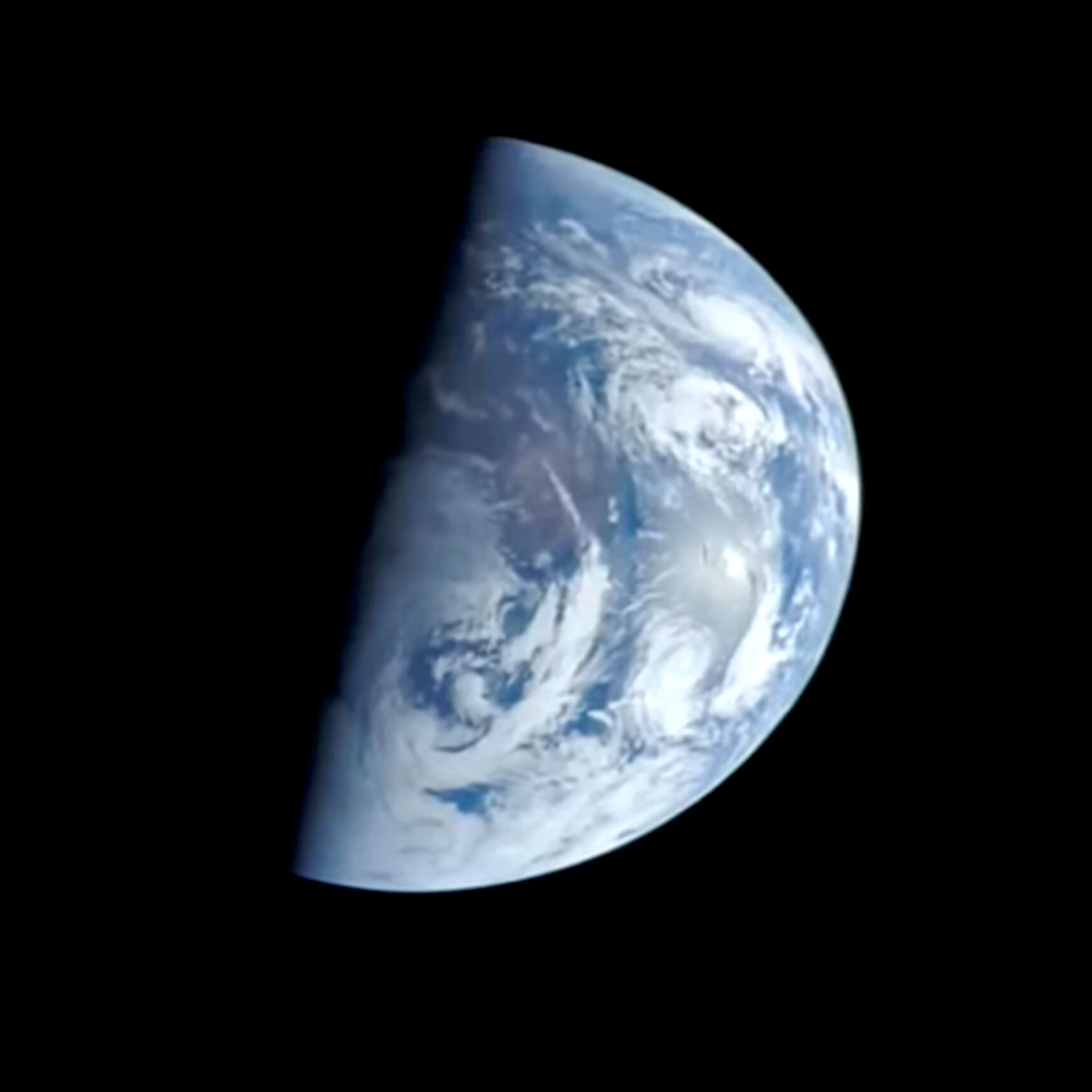
    Seen during Artemis II’s lunar flyby on April 6, 2026, the Moon and Earth align in the same frame, each partially illuminated by the Sun. The Moon’s surface appears in sharp detail in the foreground, while Earth sits much farther away, smaller and softly lit in the background. A faint reflection in the spacecraft window […]

    NASA Breaking News 11 hours ago
  5. Here’s what the astronauts did for 10 days in space.
    #5 Score 57
    Here’s what the astronauts did for 10 days in space.

    Open source article for the full coverage.

    NYT Science 6 hours ago
  6. #6 Score 55
    Thomas S. Langner, Who Linked Social Ills to Mental Illness, Dies at 102

    He helped lead what became known as the Midtown Manhattan Study, which showed that mental impairment is highly correlated with low socioeconomic status.

    NYT Science 6 hours ago
  7. #7 Score 52
    Scientists say we’ve been treating Alzheimer’s all wrong

    Alzheimer’s isn’t just one problem—it’s a tangled mix of biology, aging, and overall health. That’s why drugs targeting a single factor have fallen short, even as new treatments show modest benefits. Scientists are now pushing toward multi-pronged strategies, from gene editing to brain-cell rejuvenation and gut health interventions. The goal: stop treating Alzheimer’s as one disease and start tackling it as a complex system.

    ScienceDaily 13 hours ago
  8. A common nutrient could supercharge cancer treatment
    #8 Score 44
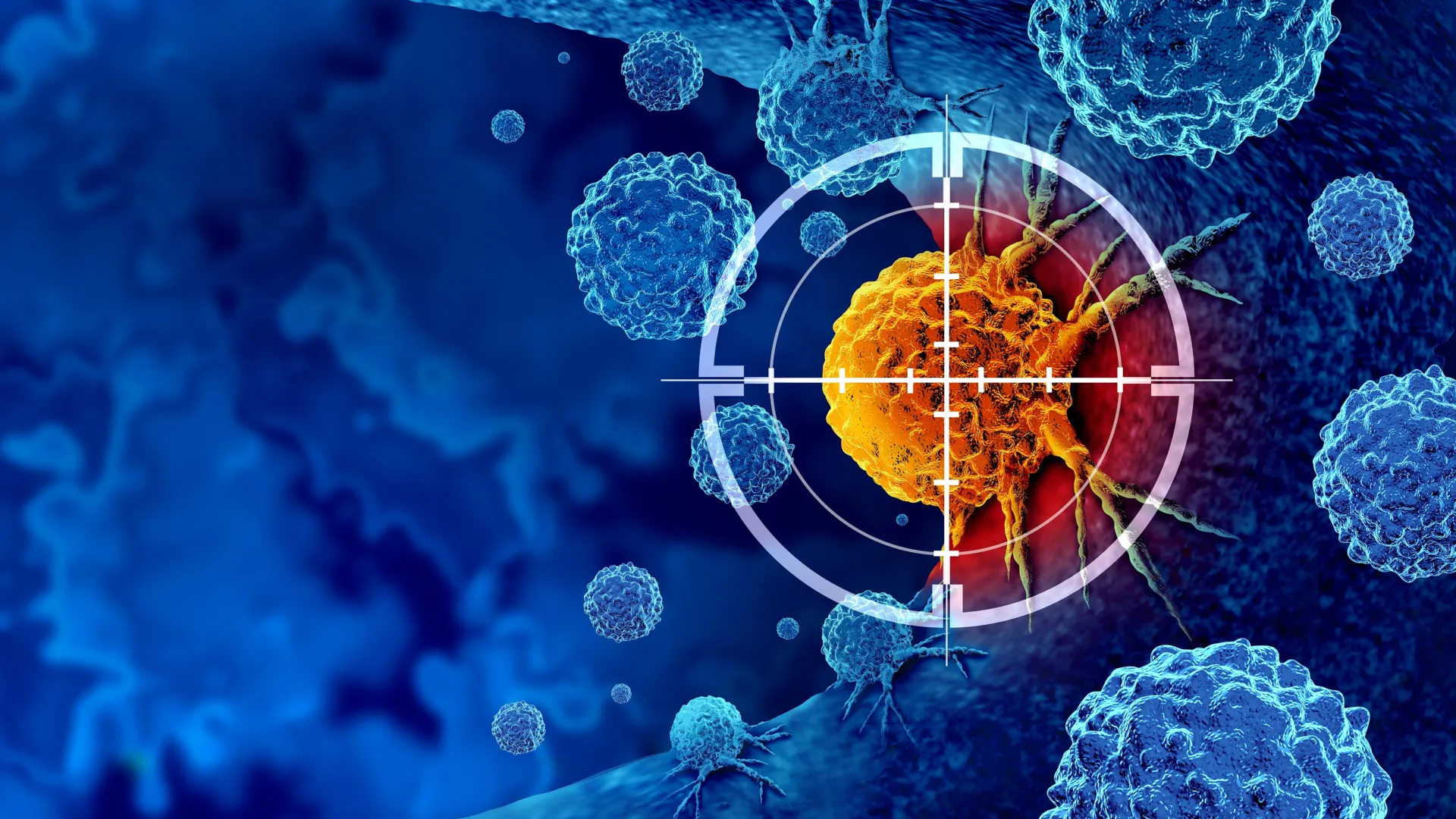
    A common nutrient could supercharge cancer treatment

    A common eye-health nutrient, zeaxanthin, may also help the body fight cancer more effectively. Scientists discovered it strengthens T cells and enhances the impact of immunotherapy treatments. Found in everyday vegetables and supplements, it’s safe, accessible, and shows strong potential as a cancer therapy booster. Human trials are the next step.

    ScienceDaily 14 hours ago
  9. #9 Score 36
    Gravitational waves may be hidden in the light atoms emit

    Scientists have proposed a surprising new way to detect gravitational waves—by observing how they change the light emitted by atoms. These waves can subtly shift photon frequencies in different directions, leaving behind a detectable signature. The effect doesn’t change how much light atoms emit, which is why it’s gone unnoticed until now. If confirmed, this approach could lead to ultra-compact detectors using cold-atom systems.

    ScienceDaily 14 hours ago
  10. #10 Score 34
    This superconductivity dies then comes back to life

    A strange new kind of superconductivity has been uncovered in uranium ditelluride (UTe2), where electricity flows with zero resistance—but only under extremely strong magnetic fields that should normally destroy it. Even more surprising, the superconductivity disappears at first and then dramatically reappears at even higher fields, earning it the nickname the “Lazarus phase.”

    ScienceDaily 14 hours ago