Science headlines for Thursday, April 2, 2026
Science headlines for 2026-04-02 focused on 3 major developments: 1) On Day 2, the astronauts begin their journey to the moon. (NYT Science) 2) After a long Wednesday, NASA launched its mission back to the moon. (NYT Science) 3) Here’s the latest. (NYT Science) Across these stories, coverage emphasized high-impact updates, policy shifts, and events with broad audience relevance. Together they provide a representative view of the day in science news before diving into each full report.
Why it matters: This snapshot shows where science attention concentrated on 2026-04-02, highlighting the themes, entities, and geographies that dominated publisher coverage. Because ranking blends freshness, engagement, and source diversity, it helps separate signal from noise. Use it as a quick daily briefing and then open the top stories for fuller context.
Key Points
3 highlights-
On Day 2, the astronauts begin their journey to the moon.
Sources: #1 NYT Science -
After a long Wednesday, NASA launched its mission back to the moon.
Sources: #2 NYT Science -
Here’s the latest.
Sources: #3 NYT Science
Top 10 Stories
Ranked by daily score-
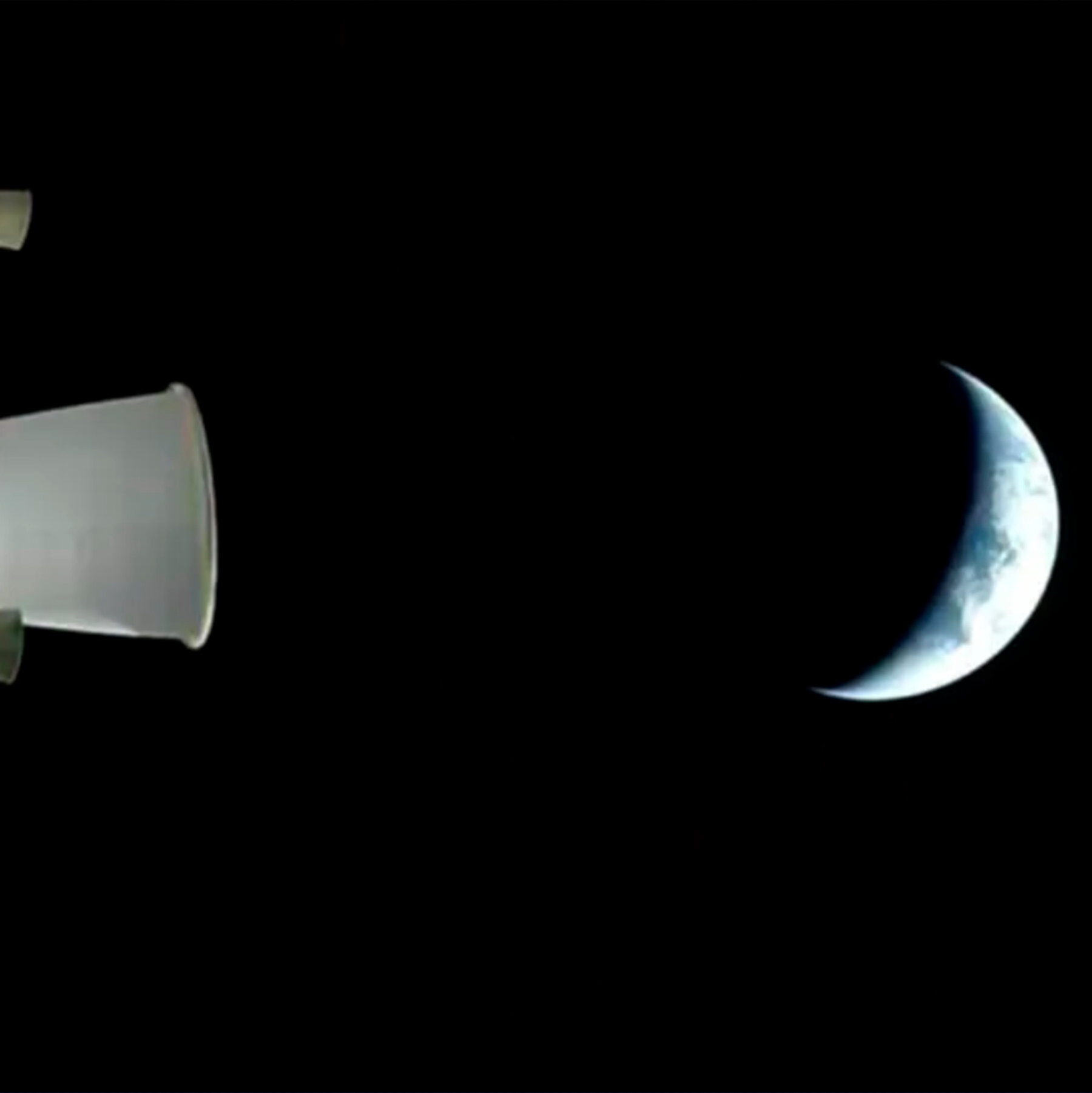 #1 Score 78On Day 2, the astronauts begin their journey to the moon.
Open source article for the full coverage.
NYT Science
- #2 Score 69After a long Wednesday, NASA launched its mission back to the moon.
Open source article for the full coverage.
- #3 Score 62Here’s the latest.
Open source article for the full coverage.
-
 #4 Score 62Eating more meat may lower Alzheimer’s risk for some people
A surprising new study suggests that genetics may change how diet affects brain health—especially when it comes to Alzheimer’s risk. Researchers found that older adults carrying high-risk APOE gene variants didn’t show the expected cognitive decline if they ate relatively high amounts of meat. In fact, those with these genes who consumed the most meat had slower cognitive decline and lower dementia risk, challengi...
ScienceDaily
-
 #5 Score 59Artemis II Astronauts Launch to Moon
NASA’s Space Launch System rocket and Orion spacecraft lift off in this April 1, 2026, image. NASA’s Artemis II mission will take NASA astronauts Reid Wiseman, Victor Glover, and Christina Koch, and CSA (Canadian Space Agency) astronaut Jeremy on an approximately 10-day journey around the Moon and back aboard their Orion spacecraft. See more launch […]
NASA Breaking News
-
 #6 Score 58The Awe of a Moon Launch in an Age of Trump, Turmoil and Tribal Divisions
The launch of Artemis II captured the tenor of the times in a country that can still do big things but seems forever mired in big problems.
-
 #7 Score 55Biruté Galdikas, 79, Who Worked to Save Wild Orangutans in Borneo, Dies
With Jane Goodall and Dian Fossey, she was one of three prominent researchers of great apes who were sometimes called the “trimates.”
-
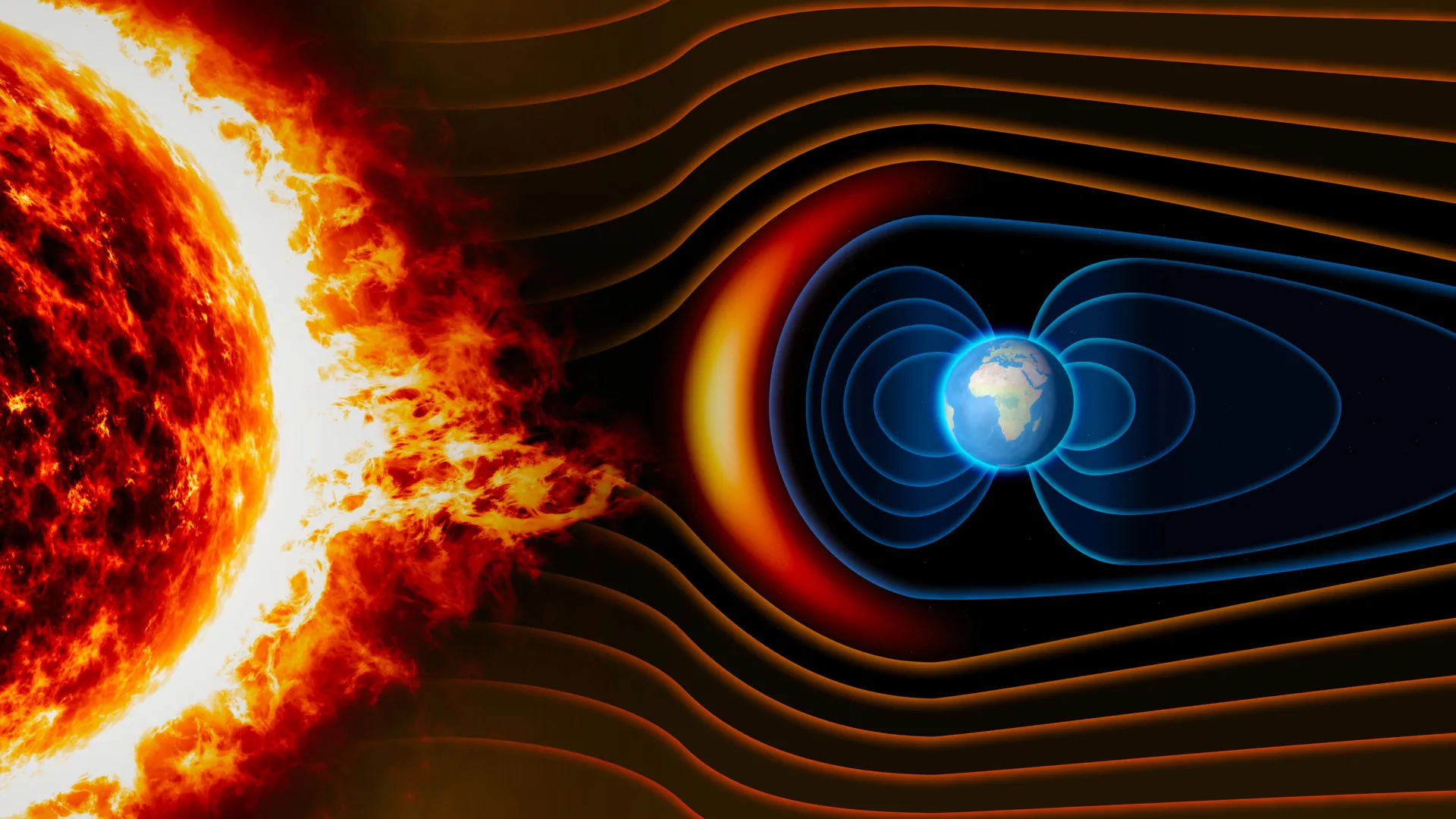 #8 Score 41Earth’s magnetic field went wild 600 million years ago and scientists finally know why
Hundreds of millions of years ago, Earth’s magnetic field behaved in a way that has long baffled scientists, showing wild and seemingly chaotic shifts unlike anything seen before or since. A new study suggests this chaos may actually hide a deeper pattern: instead of random fluctuations, the magnetic field may have followed a global, organized structure.
-
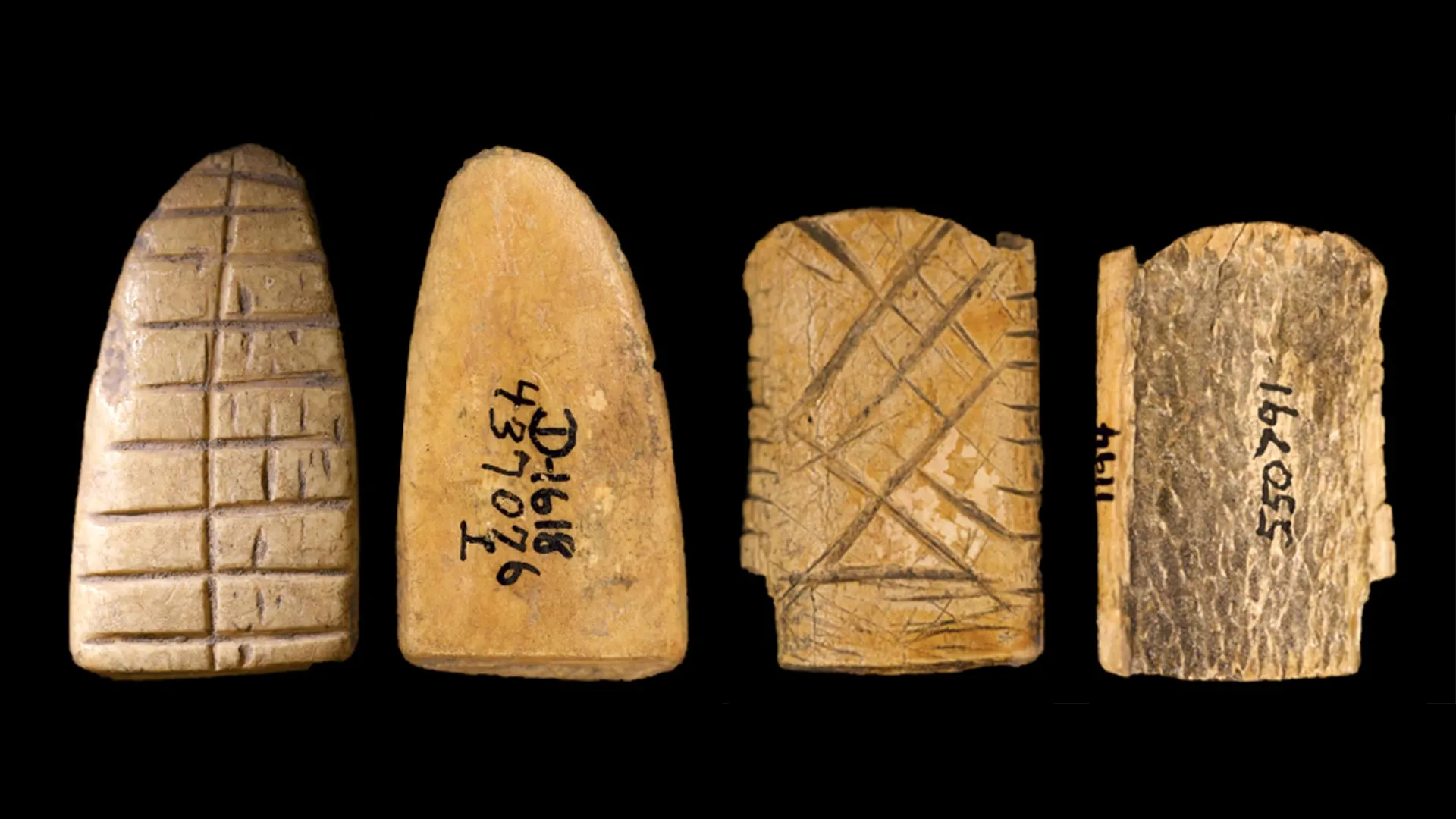 #9 Score 21Ancient bone dice reveal 12,000-year history of gambling in America
More than 12,000 years ago, Native American hunter-gatherers were already making and using dice—thousands of years before similar tools appeared elsewhere. These bone “binary lots” acted like primitive coins, producing random outcomes for games of chance. A new study shows these weren’t accidental objects but carefully designed tools used across many regions and cultures.
-
 #10 Score 15Réunion Island Lava Reaches the Sea
The February 2026 eruption at Piton de la Fournaise has lasted longer and produced a larger volume of lava than recent eruptions from this frequently active volcano.
NASA Breaking News