
Daily Snapshot

Science headlines for Wednesday, March 11, 2026

Science headlines for 2026-03-11 focused on 3 major developments: 1) Iran Shocks Could Spur a Shift to Clean Energy — But Also to Coal (NYT Science) 2) Slowly, Slowly, ‘Darwin’s Finches of the Snail World’ Return From Near Extinction (NYT Science) 3) A massive asteroid hit the North Sea and triggered a 330-foot tsunami (ScienceDaily) Across these stories, coverage emphasized high-impact updates, policy shifts, and events with broad audience relevance. Together they provide a representative view of the day in science news before diving into each full report.

Why it matters: This snapshot shows where science attention concentrated on 2026-03-11, highlighting the themes, entities, and geographies that dominated publisher coverage. Because ranking blends freshness, engagement, and source diversity, it helps separate signal from noise. Use it as a quick daily briefing and then open the top stories for fuller context.

Key Points

3 highlights
  1. Iran Shocks Could Spur a Shift to Clean Energy — But Also to Coal

    Sources: #1 NYT Science
  2. Slowly, Slowly, ‘Darwin’s Finches of the Snail World’ Return From Near Extinction

    Sources: #2 NYT Science
  3. A massive asteroid hit the North Sea and triggered a 330-foot tsunami

    Sources: #3 ScienceDaily

Top 10 Stories

Ranked by daily score
  1. Iran Shocks Could Spur a Shift to Clean Energy — But Also to Coal
    #1 Score 27
    Iran Shocks Could Spur a Shift to Clean Energy — But Also to Coal

    The oil crisis in the Middle East could spur countries to invest in wind, solar and otherrenewables. It could also spike reliance on coal, a cheap and polluting fossil fuel.

    NYT Science 2 days ago
  2. #2 Score 27
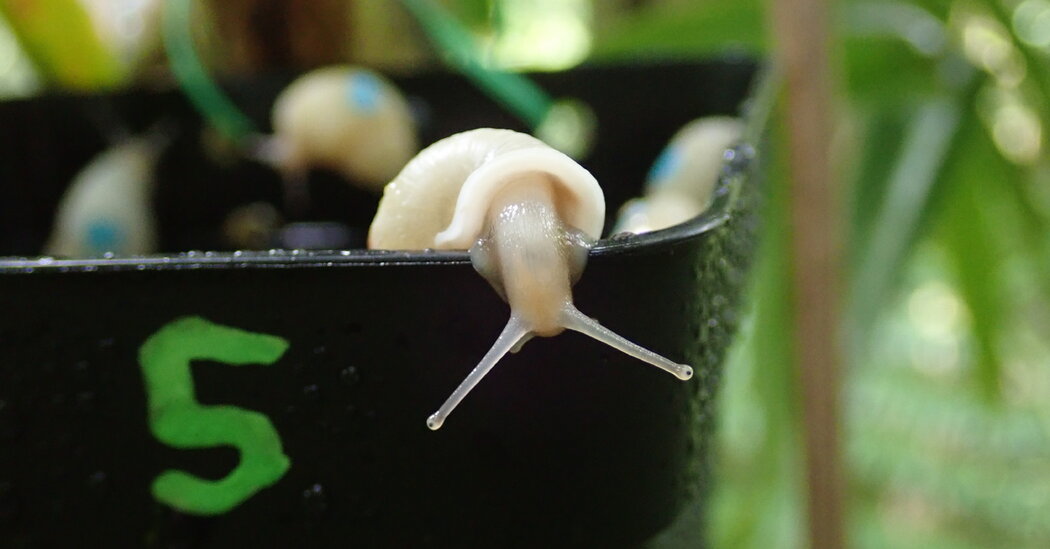
    Slowly, Slowly, ‘Darwin’s Finches of the Snail World’ Return From Near Extinction

    Partula snails all but vanished from Polynesia after the arrival of a carnivorous foreign snail. But a global alliance of zoos has worked to bring them back.

    NYT Science 2 days ago
  3. A massive asteroid hit the North Sea and triggered a 330-foot tsunami
    #3 Score 17
    A massive asteroid hit the North Sea and triggered a 330-foot tsunami

    A long-running debate about the Silverpit Crater beneath the North Sea has finally been resolved. Scientists now confirm it formed when a roughly 160-meter asteroid struck the seabed about 43–46 million years ago. New seismic imaging and rare shocked minerals in rock samples provided the crucial proof. The impact would have sent a massive plume skyward and unleashed a tsunami over 100 meters (330 feet) high.

    ScienceDaily 2 days ago
  4. Curiosity Blog, Sols 4825-4831: Exploring the Borderlands
    #4 Score 16
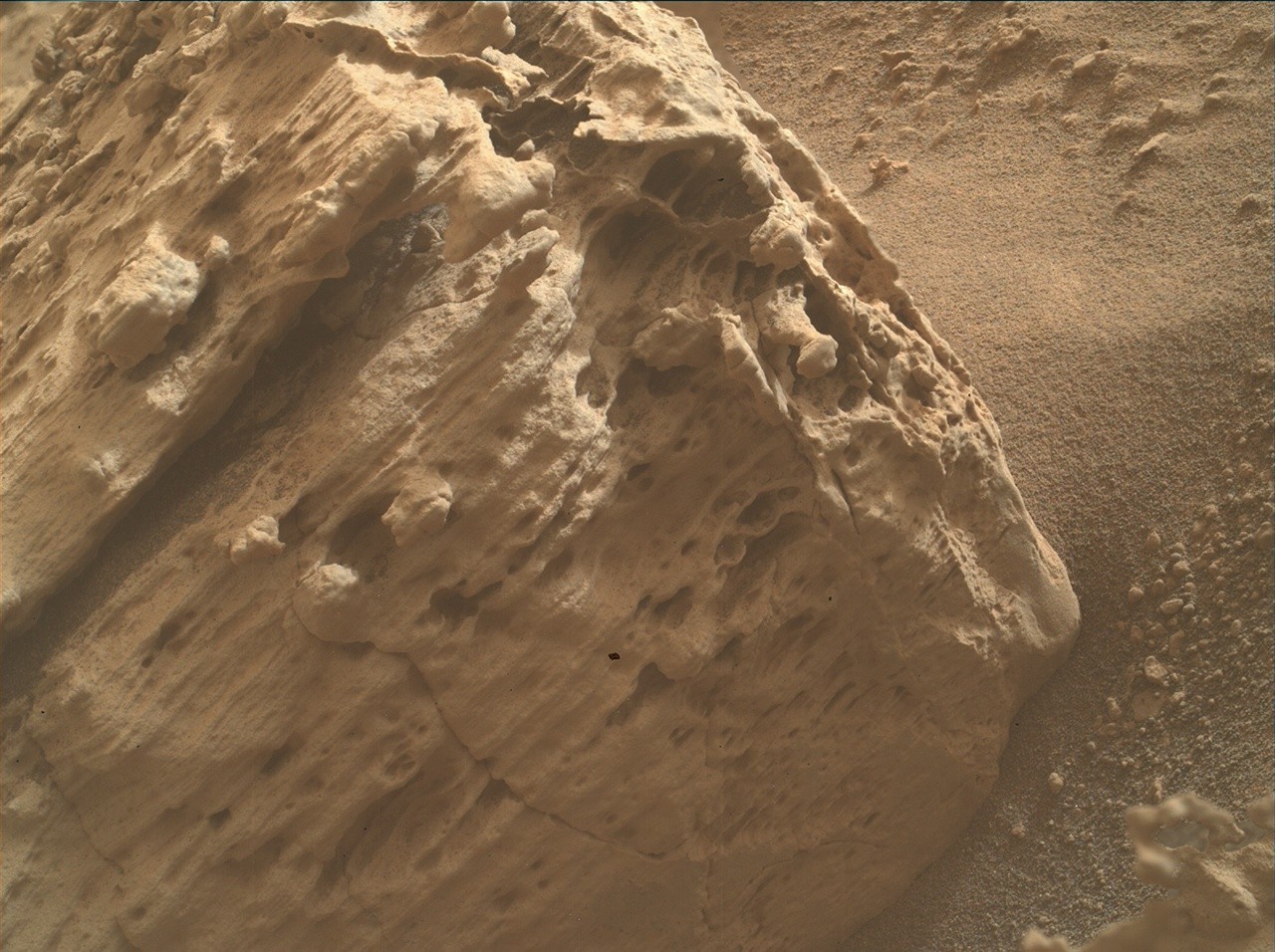
    Curiosity Blog, Sols 4825-4831: Exploring the Borderlands

    Written by William Farrand, Senior Research Scientist, Space Science Institute Earth planning date: Friday, March 6, 2026 Curiosity is in the last stage of its exploration of the spiderweb-like boxwork unit. This stage consists of exploring the eastern and southern borders of this terrain. There were two multi-sol plans assembled this week. The previous plan […]

    NASA Breaking News 2 days ago
  5. A Most Unusual Lake
    #5 Score 12
    A Most Unusual Lake

    Lake Unter-See in Antarctica, sealed beneath thick ice, contains unusually high levels of dissolved oxygen and cone-shaped microbial reefs resembling some of Earth’s oldest fossils.

    NASA Breaking News 2 days ago
  6. A particle accelerator helped scientists create stunning 3D ants
    #6 Score 10
    A particle accelerator helped scientists create stunning 3D ants

    Researchers have developed a high-tech system that rapidly scans ants and converts them into detailed 3D models. Using a synchrotron accelerator, X-ray imaging, robotics, and AI, the team scanned 2,000 specimens in just a week and produced models of 800 species. The images reveal microscopic anatomy that was previously difficult to study. The growing Antscan database could become a powerful digital library of biodiversity.

    ScienceDaily 3 days ago
  7. About Subsonic Vehicle Technologies and Tools Project
    #7 Score 8
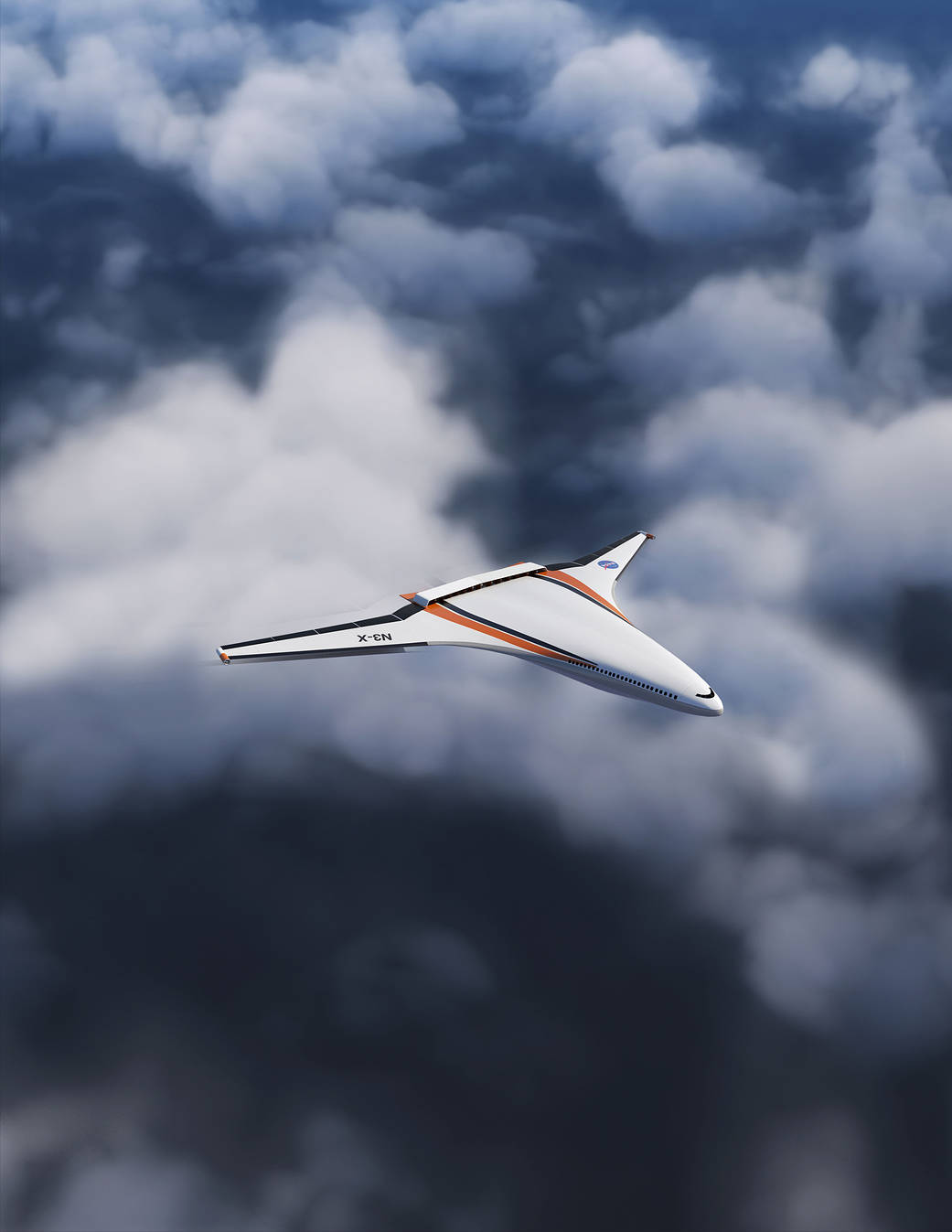
    About Subsonic Vehicle Technologies and Tools Project

    Project Overview NASA’s Subsonic Vehicle Technologies and Tools (SVTT) project develops technologies and tools for various types of aircraft that fly in different speed regimes, including next-generation vertical take-off and landing and fixed-wing subsonic aircraft. The research advances knowledge, technologies, and concepts that enable major steps to lowering operating costs of the next-generation single-aisle aircraft. […]

    NASA Breaking News 3 days ago
  8. #8 Score 6
    The 19th-century mathematical clue that led to quantum mechanics

    More than a century before quantum mechanics was born, Irish mathematician William Rowan Hamilton stumbled onto an idea that would quietly foreshadow one of the deepest truths in physics. While studying the paths of light rays and moving objects, Hamilton noticed a striking mathematical similarity between them and used it to develop a powerful new framework for mechanics. At the time, it seemed like a clever analogy—but decades later, as scientists uncovered the strange wave-particle nature of light and matter, Hamilton’s insight took on new meaning.

    ScienceDaily 3 days ago
  9. #9 Score 3
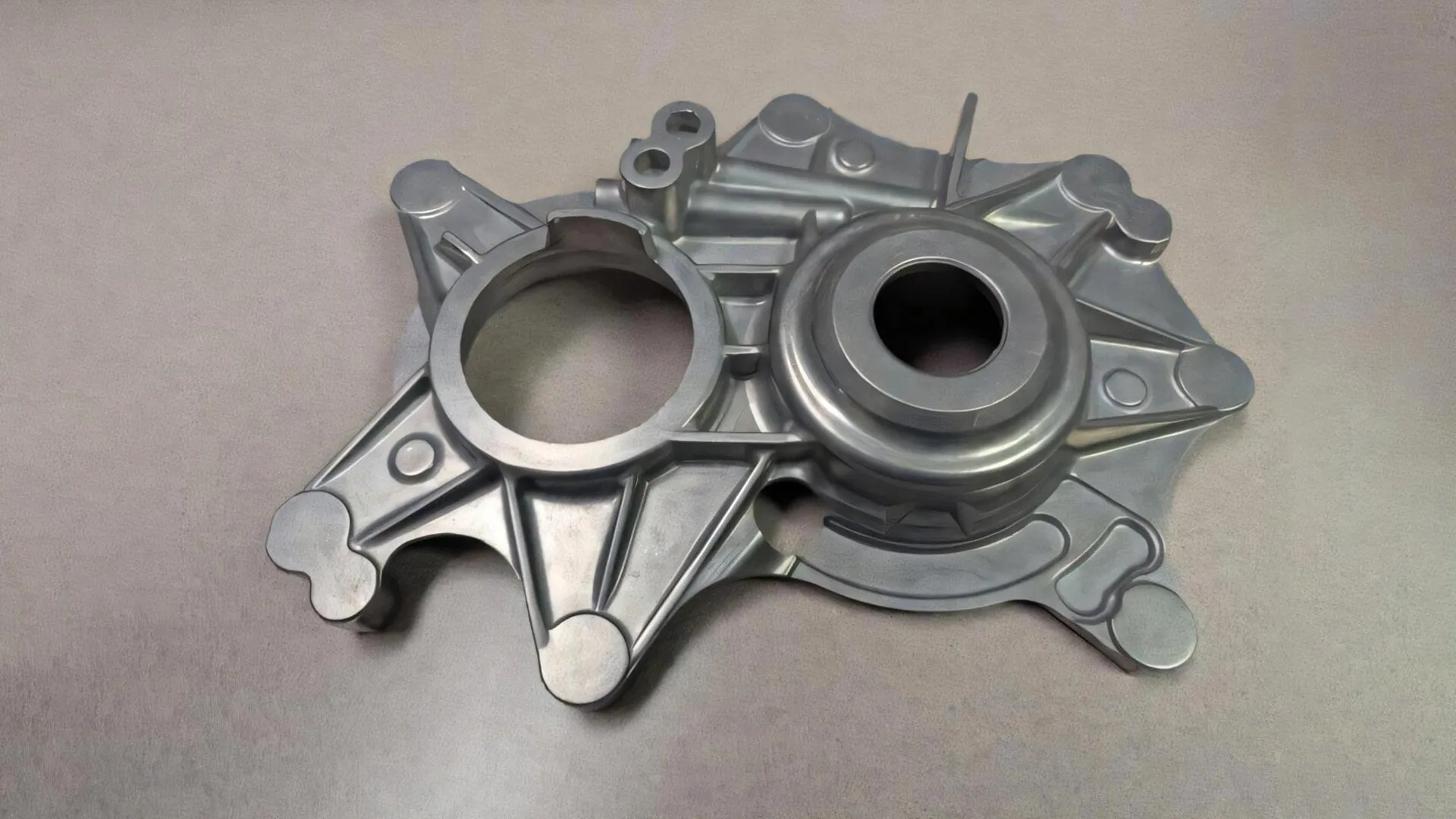
    Scientists turn scrap car aluminum into high-performance metal for new vehicles

    Scientists at Oak Ridge National Laboratory have created a new aluminum alloy called RidgeAlloy that can turn contaminated car-body scrap into strong structural vehicle parts. Normally, impurities introduced during recycling make this scrap unsuitable for high-performance applications. RidgeAlloy overcomes that challenge, enabling recycled aluminum to meet the strength and durability standards required for modern vehicles. The technology could slash energy use, reduce imports, and unlock a huge new supply of domestic aluminum.

    ScienceDaily 3 days ago