

Daily Snapshot

Science headlines for Saturday, March 7, 2026

Science headlines for 2026-03-07 focused on 3 major developments: 1) Lemurs Love This Fruit That Is Choking Madagascar’s Forests (NYT Science) 2) For These Design Materials, It’s Goodbye and Good Riddance (NYT Science) 3) Antarctica has a strange gravity hole and scientists finally know why (ScienceDaily) Across these stories, coverage emphasized high-impact updates, policy shifts, and events with broad audience relevance. Together they provide a representative view of the day in science news before diving into each full report.

Why it matters: This snapshot shows where science attention concentrated on 2026-03-07, highlighting the themes, entities, and geographies that dominated publisher coverage. Because ranking blends freshness, engagement, and source diversity, it helps separate signal from noise. Use it as a quick daily briefing and then open the top stories for fuller context.
Key Points

3 highlights
  1. Lemurs Love This Fruit That Is Choking Madagascar’s Forests

    Sources: #1 NYT Science
  2. For These Design Materials, It’s Goodbye and Good Riddance

    Sources: #2 NYT Science
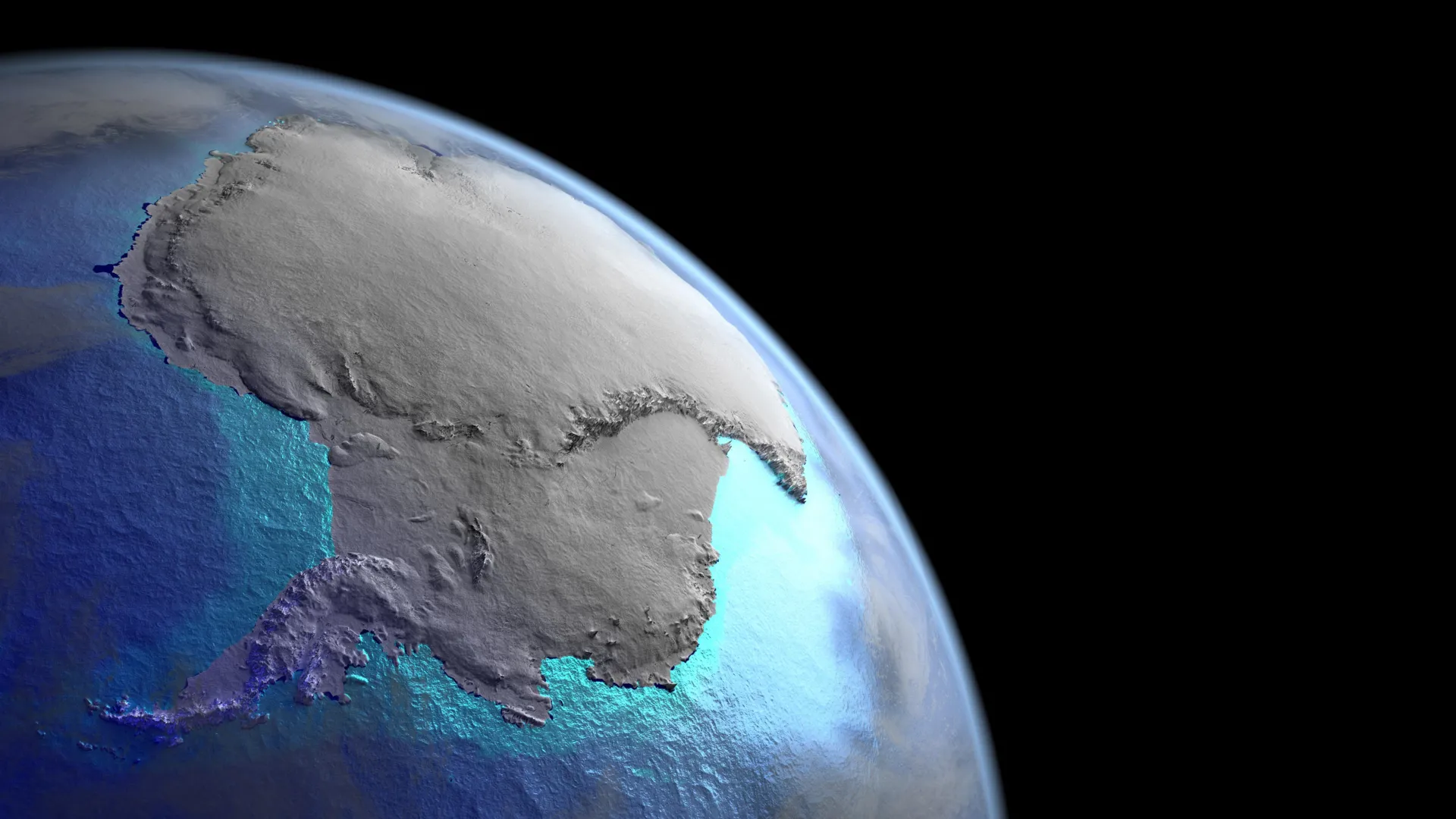
  3. Antarctica has a strange gravity hole and scientists finally know why

    Sources: #3 ScienceDaily

Top 10 Stories

Ranked by daily score
  1. #1 Score 29
    Lemurs Love This Fruit That Is Choking Madagascar’s Forests

    The strawberry guava, one of the world’s worst invasive species, hinders forest restoration on the island while feeding its famous endangered primates.

    NYT Science 6 days ago
  2. For These Design Materials, It’s Goodbye and Good Riddance
    #2 Score 29
    For These Design Materials, It’s Goodbye and Good Riddance

    Not all acts of extinction are to be regretted.

    NYT Science 6 days ago
  3. Antarctica has a strange gravity hole and scientists finally know why
    #3 Score 17
    Antarctica has a strange gravity hole and scientists finally know why

    Gravity may seem constant, but it actually varies across the planet—and one of the strangest places is Antarctica, where gravity is slightly weaker than expected. Scientists have traced this “gravity hole” to slow, deep movements of rock inside Earth that unfolded over tens of millions of years. Using earthquake data to essentially create a CT scan of the planet’s interior, researchers reconstructed how the anomaly evolved and discovered that it strengthened between about 50 and 30 million years ago.

    ScienceDaily 6 days ago
  4. Physicists finally see strange magnetic vortices predicted 50 years ago
    #4 Score 17
    Physicists finally see strange magnetic vortices predicted 50 years ago

    A team of physicists has experimentally confirmed a long-predicted sequence of exotic magnetic phases in an atomically thin material. When cooled, the material forms tiny magnetic vortices before transitioning into a second ordered magnetic state—exactly as predicted by a famous theoretical model from the 1970s. Observing both phases together for the first time validates key ideas about how magnetism behaves in two dimensions. The findings could help inspire ultracompact technologies built on nanoscale magnetic control.

    ScienceDaily 6 days ago
  5. #5 Score 8
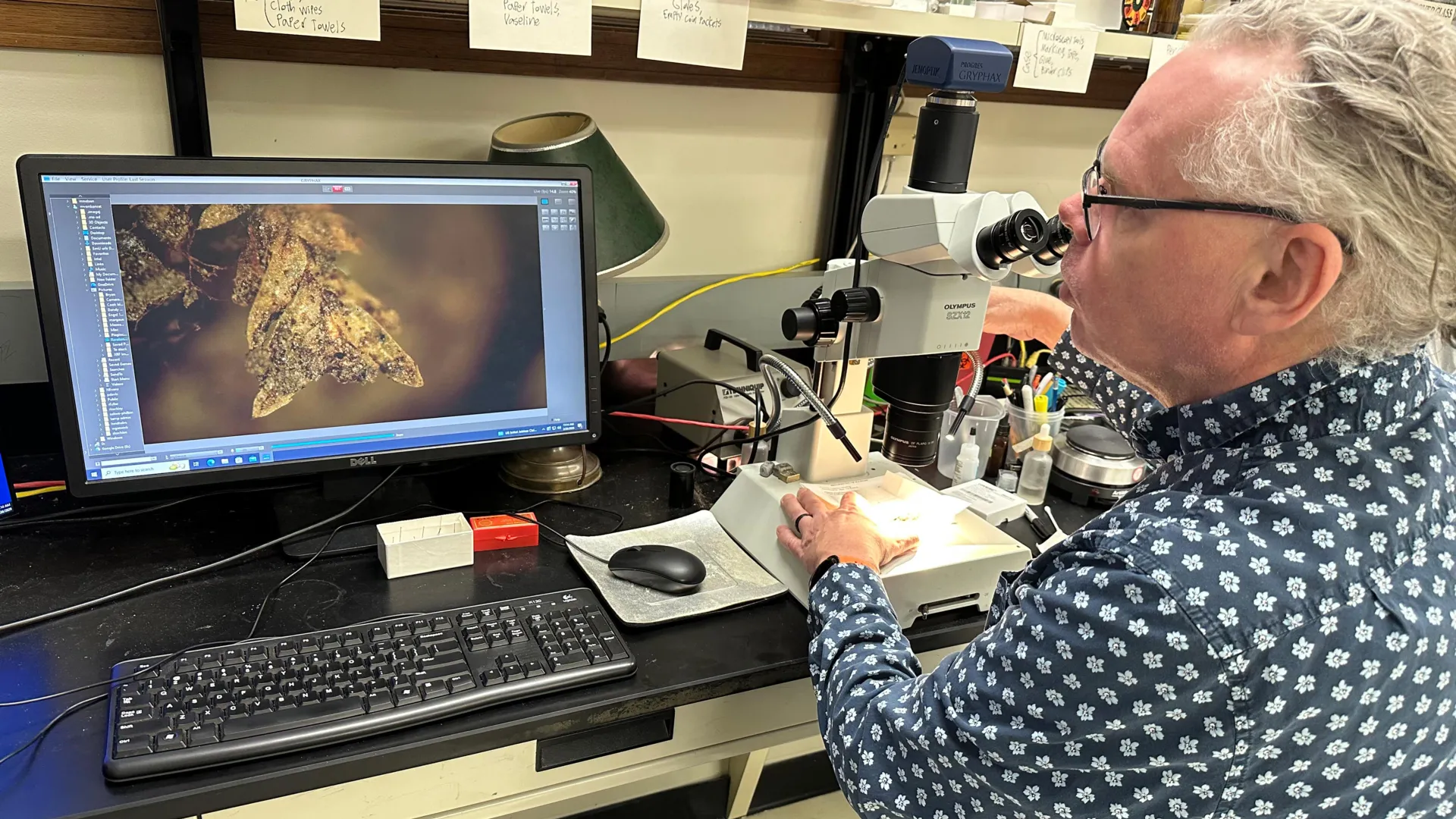
    Tiny clump of moss helped solve a shocking cemetery crime

    Open source article for the full coverage.

    ScienceDaily 7 days ago
  6. #6 Score 4
    Scientists say most of what you do each day happens on autopilot

    Open source article for the full coverage.

    ScienceDaily 7 days ago
  7. #7 Score 1
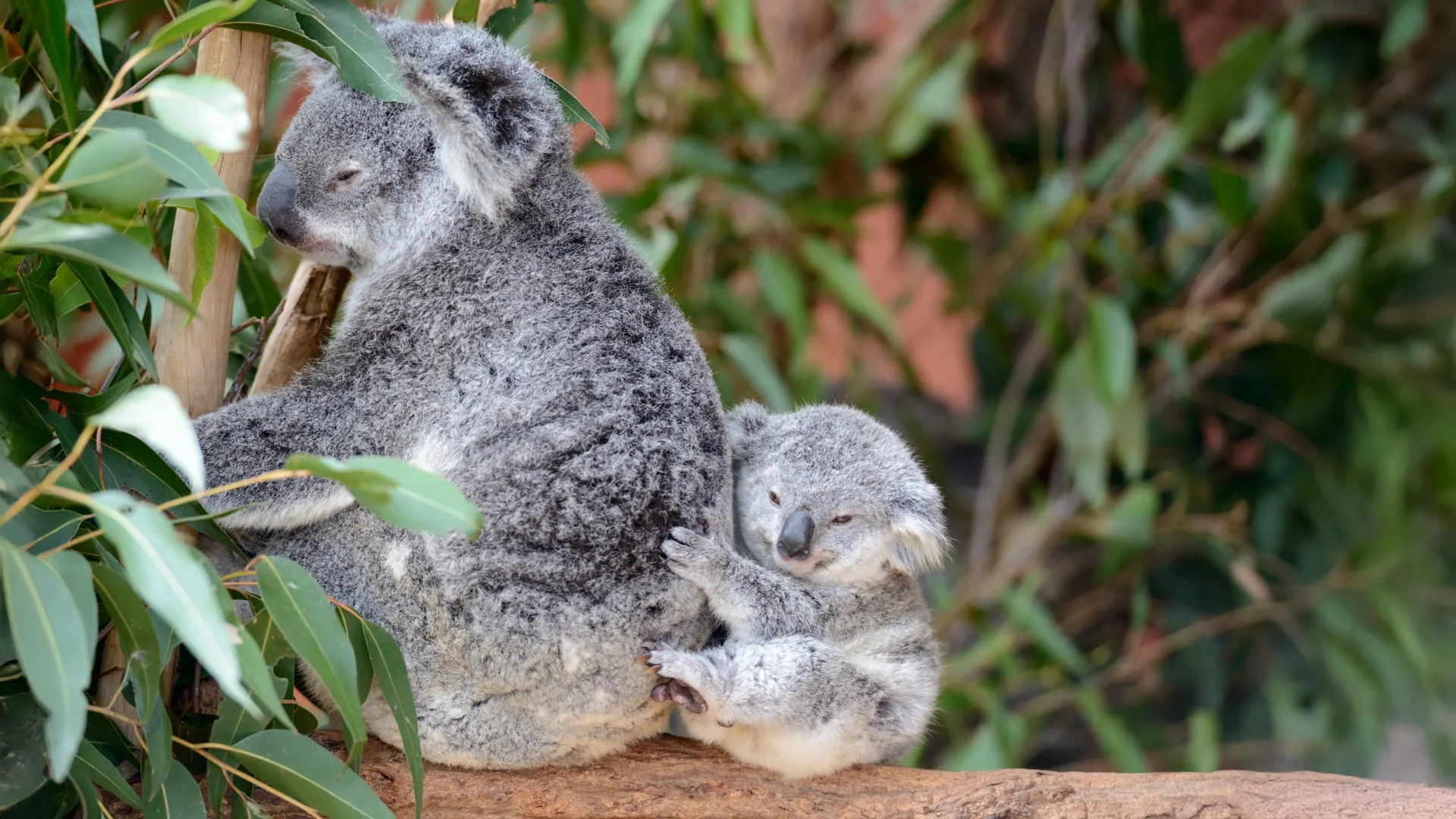
    Koalas survived a devastating population crash and their DNA is bouncing back

    Open source article for the full coverage.

    ScienceDaily 7 days ago