Daily archive
Health - Wednesday, July 1, 2026
AI-generated daily summary plus top ranked stories from the day.
Health headlines for Wednesday, July 1, 2026
Health headlines for 2026-07-01 focused on 3 major developments: 1) Trump Administration Delivers Lucrative Win for Its Kratom Allies (NYT Health) 2) Nearly half of kidney transplant patients never even get started (ScienceDaily Health) 3) A surprising brain discovery is forcing scientists to rethink movement disorders (ScienceDaily Health) Across these stories, coverage emphasized high-impact updates, policy shifts, and events with broad audience relevance. Together they provide a representative view of the day in health news before diving into each full report.
Why it matters: This snapshot shows where health attention concentrated on 2026-07-01, highlighting the themes, entities, and geographies that dominated publisher coverage. Because ranking blends freshness, engagement, and source diversity, it helps separate signal from noise. Use it as a quick daily briefing and then open the top stories for fuller context.
Key Points
3 highlights-
Trump Administration Delivers Lucrative Win for Its Kratom Allies
Sources: #1 NYT Health -
Nearly half of kidney transplant patients never even get started
Sources: #2 ScienceDaily Health -
A surprising brain discovery is forcing scientists to rethink movement disorders
Sources: #3 ScienceDaily Health
Top 10 Stories
Ranked by daily score-
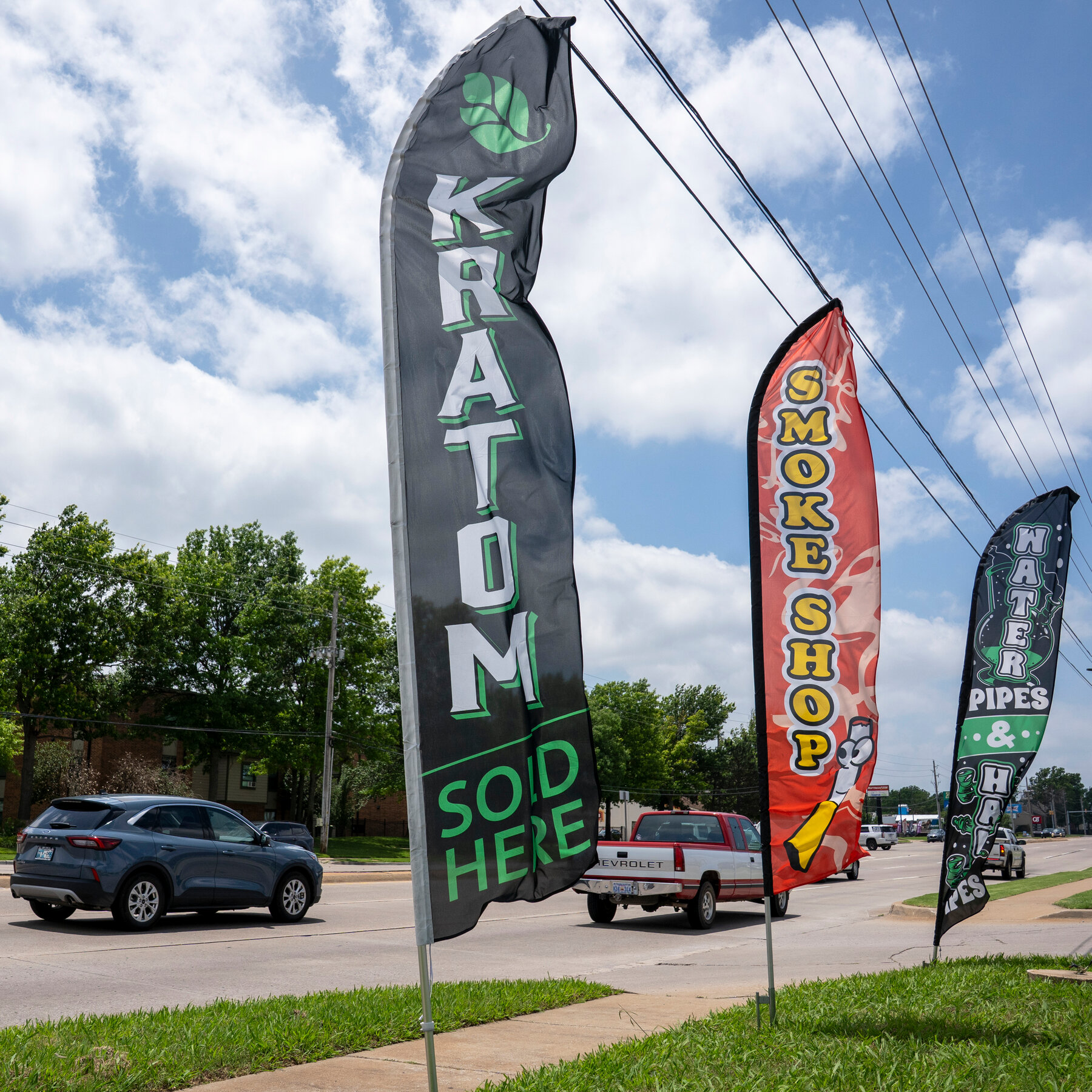 #1 Score 69Trump Administration Delivers Lucrative Win for Its Kratom Allies
In moving to ban a potent synthetic version of kratom, the president’s team paved the way for more sales for makers of rival botanic supplements, who had aggressively lobbied for the change.
- #2 Score 59Nearly half of kidney transplant patients never even get started
A massive national study found that nearly half of Americans with kidney failure who are referred for a transplant never even begin the evaluation process, and only 19% make it onto the transplant waitlist. Researchers discovered that factors such as where a person lives, whether they are married, their income level, language, age, and even which transplant center they use can dramatically affect their chances of moving forward.
- #3 Score 56A surprising brain discovery is forcing scientists to rethink movement disorders
A surprising discovery is overturning a long-held assumption about how the brain’s movement center works. Researchers found that two key cerebellar cell types—thought to be tightly linked—often don’t behave in predictable ways, even though one directly influences the other. The finding suggests scientists may have been relying on the wrong signals when studying disorders such as dystonia, ataxia, and tremor.
- #4 Score 22Modern neuroscience is rediscovering an idea Freud had 130 years ago
What if Sigmund Freud was onto something that modern neuroscience is only now beginning to explain? A new paper argues that today's leading theory of the brain—as a prediction machine constantly anticipating the world—closely mirrors ideas psychoanalysis has explored for more than a century.
- #5 Score 16Scientists discover a surprising link between vitamin C and brain health
Could something as simple as vitamin C help support a healthier aging brain? In a study of more than 2,000 older adults in Japan, researchers found that people with lower vitamin C levels in their blood also tended to have less gray matter and weaker connections in a key brain network involved in memory, attention, and other cognitive functions.
- #6 Score 8Melanoma's secret to cheating death has finally been revealed
Scientists have solved a long-standing mystery by discovering the missing genetic ingredient that helps melanoma cells become effectively immortal. The breakthrough could open the door to new treatments aimed at disrupting one of cancer's most important survival strategies.