


Daily Snapshot

Health headlines for Saturday, March 7, 2026

Health headlines for 2026-03-07 focused on 3 major developments: 1) Golden Retriever genes linked to anxiety, aggression, and intelligence in humans (ScienceDaily Health) 2) Federal autism advisory board cancels first public meeting since overhaul (STAT News) 3) Mayo Clinic discovers rare gene mutation that causes fatty liver disease (ScienceDaily Health) Across these stories, coverage emphasized high-impact updates, policy shifts, and events with broad audience relevance. Together they provide a representative view of the day in health news before diving into each full report.

Why it matters: This snapshot shows where health attention concentrated on 2026-03-07, highlighting the themes, entities, and geographies that dominated publisher coverage. Because ranking blends freshness, engagement, and source diversity, it helps separate signal from noise. Use it as a quick daily briefing and then open the top stories for fuller context.


Key Points

3 highlights
  1. Golden Retriever genes linked to anxiety, aggression, and intelligence in humans

    Sources: #1 ScienceDaily Health
  2. Federal autism advisory board cancels first public meeting since overhaul

    Sources: #2 STAT News
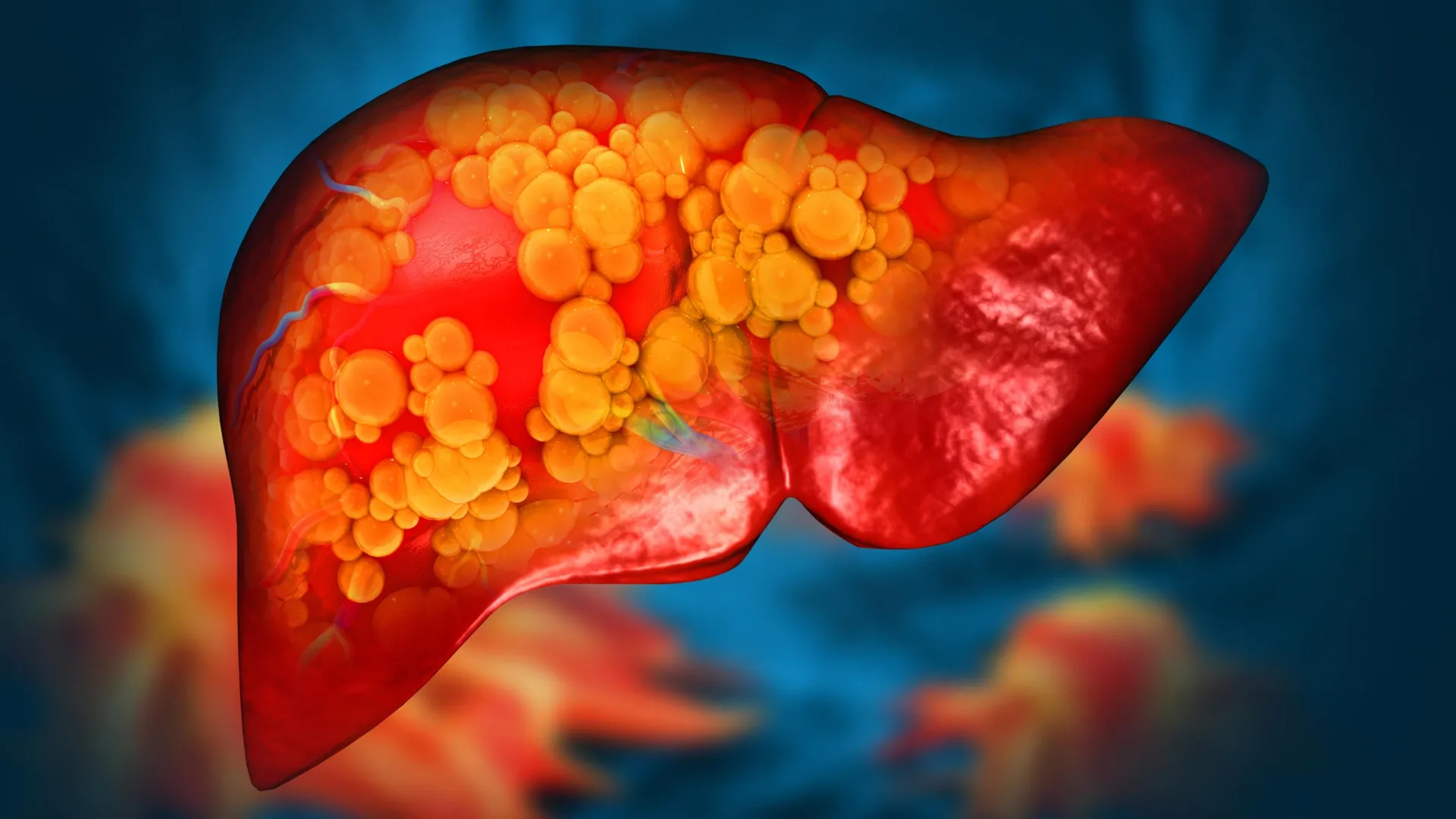
  3. Mayo Clinic discovers rare gene mutation that causes fatty liver disease

    Sources: #3 ScienceDaily Health

Top 10 Stories

Ranked by daily score
  1. Golden Retriever genes linked to anxiety, aggression, and intelligence in humans
    #1 Score 61
    Golden Retriever genes linked to anxiety, aggression, and intelligence in humans

    Scientists studying 1,300 golden retrievers have uncovered genetic clues explaining why some dogs are more anxious, energetic, or aggressive than others. Remarkably, several of the same genes linked to canine behavior are also tied to human traits like anxiety, depression, and intelligence. The discovery suggests dogs and humans share biological roots for emotions and behavior. Understanding these links could help owners better interpret their pets’ reactions and even improve training and veterinary care.

    ScienceDaily Health 6 days ago
  2. Federal autism advisory board cancels first public meeting since overhaul
    #2 Score 52
    Federal autism advisory board cancels first public meeting since overhaul

    A federal advisory committee on autism issues has canceled plans for its first public meeting since new members were appointed earlier this year.

    STAT News 6 days ago
  3. Mayo Clinic discovers rare gene mutation that causes fatty liver disease
    #3 Score 33
    Mayo Clinic discovers rare gene mutation that causes fatty liver disease

    Mayo Clinic researchers have identified a rare mutation in the MET gene that can directly cause metabolic dysfunction-associated steatotic liver disease. The mutation disrupts the liver’s ability to process fat, leading to inflammation, scarring, and potentially cirrhosis. The discovery began with a father and daughter who had the disease without typical risk factors. Large-scale genomic data suggests similar rare variants may quietly contribute to the disease in many more people.

    ScienceDaily Health 6 days ago
  4. #4 Score 32
    Scientists create cartilage scaffold that helps the body regrow bone

    Researchers in Sweden have engineered a cell-free cartilage scaffold that can guide the body to rebuild damaged bone. By removing the cells but preserving the structure and natural growth signals, the material acts as a blueprint for the body’s own repair process. In animal studies, it helped regenerate bone without triggering strong immune reactions. The team now plans to scale up production and begin testing the approach in humans.

    ScienceDaily Health 6 days ago
  5. Scientists discover protein that triggers diabetic blindness
    #5 Score 29
    Scientists discover protein that triggers diabetic blindness

    A newly identified protein may hold the key to preventing diabetic blindness. Researchers discovered that LRG1 triggers the earliest damage in diabetic retinopathy by constricting tiny retinal blood vessels and reducing oxygen supply. In mice, shutting down this protein stopped the damage before it could take hold. The finding could pave the way for treatments that protect vision before symptoms ever begin.

    ScienceDaily Health 6 days ago
  6. A 4,000-year-old sheep reveals the secret of an ancient plague
    #6 Score 26
    A 4,000-year-old sheep reveals the secret of an ancient plague

    A mysterious form of plague that spread across Eurasia thousands of years before the Black Death has finally revealed a crucial clue. Scientists analyzing ancient DNA discovered the bacterium Yersinia pestis in a 4,000-year-old domesticated sheep from a Bronze Age settlement in the Ural Mountains—the first time the pathogen has ever been found in a non-human host from that era. Because this early strain couldn’t spread through fleas like the medieval plague, researchers have long puzzled over how it traveled so widely.

    ScienceDaily Health 6 days ago
  7. #7 Score 9
    Divisive F.D.A. Vaccine Regulator Is Resigning

    Open source article for the full coverage.

    NYT Health 7 days ago
  8. #8 Score 7
    Boosting a key brain protein could help treat Rett syndrome

    Open source article for the full coverage.

    ScienceDaily Health 7 days ago